

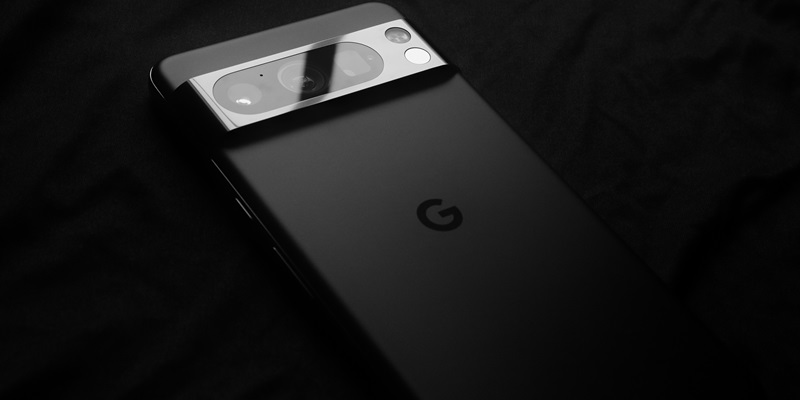
Google is poised to introduce its latest smartphone lineup, the Pixel 9 series, featuring the Pixel 9, Pixel 9 Pro, and Pixel 9 Pro XL. Images recently published by the South Korean NCC regulatory body have shed light on what can be expected from these new models. While a Pixel 9 Pro Fold is also in development, this article focuses specifically on the forthcoming trio. The new Pixel 9 series signals Google’s continued effort to enhance its offerings, focusing on hardware innovations and ecosystem integration rather than drastic design changes.
Differentiating through Hardware Features
Connectivity and Smart Home Integration
One of the most striking decisions Google has made for the Pixel 9 series is to differentiate the models through hardware features rather than design. The Pixel 9, for instance, lacks ultra wideband (UWB) connectivity, a feature it shares with its predecessor. On the other hand, all models in the series will support the Thread smart home protocol. This inclusion of Thread support is a notable move for smart home enthusiasts, illustrating Google’s commitment to ecosystem integration.
Thread support means that the Pixel 9 series will be better equipped to communicate seamlessly with various smart home devices, fitting into Google’s broader strategy for a more connected living experience. The absence of UWB in the Pixel 9 might disappoint some, but it’s worth noting that this doesn’t hamper the overall performance of the device. Instead, Google’s focus appears to be on making smart home integration a key selling point, ensuring that every device in the series can contribute to a smarter home environment.
Battery Capacities and Charging Speeds
Another significant area where the Pixel 9 models differ is in their battery capacities and charging speeds. The Pixel 9 and Pixel 9 Pro come with 4,558 mAh batteries. However, there is a slight difference in their wired charging capabilities—the Pixel 9 supports a charging rate of 24.12 W, while the Pixel 9 Pro offers 25.20 W. The standout model in terms of battery is the Pixel 9 Pro XL, which comes with a larger 4,942 mAh battery and supports faster wired charging at 32.67 W. Nevertheless, it’s essential to acknowledge that, despite these upgrades, Google’s Pixel 9 series still lags behind competitors like the Edge 50 Ultra, OnePlus 12, and Galaxy S24 Ultra, which offer even faster charging speeds.
Google’s introduction of a new 45 W wired power supply, anticipated to be sold separately, also indicates a step towards improving charging capabilities. However, the new power supply still falls short compared to industry standards, revealing an area where Google could further innovate. Despite this, the battery life and overall user experience are likely to see improvements, thanks to these incremental upgrades. This aligns with Google’s cautious but steady approach to innovation, focusing on adding practical enhancements while ensuring device reliability.
Google’s Broader Ecosystem Developments
Upcoming Pixel Watch and AI Enhancements
In addition to the Pixel 9 series, Google is making strides in expanding its ecosystem, as evidenced by related hints about upcoming Pixel Watch 3 models. These new watches are expected to come with advanced AI features. Nevertheless, consumers should be aware that these cutting-edge features might come at a cost, particularly after initial launch discounts expire. This development indicates Google’s commitment to incorporating artificial intelligence into its devices, making them smarter and more intuitive over time.
The new AI features are likely to enhance user experience significantly, from health tracking to personalized recommendations. By integrating these features into the Pixel Watch 3 series, Google continues to build a cohesive ecosystem where multiple devices work seamlessly together. The integration of AI into wearable devices underscores Google’s broader strategy of leveraging intelligence to enrich user interactions, suggesting that smartwatches could become an even more integral part of daily life.
Pixel Buds Pro 2 and Overall Strategy
Google is set to unveil its new Pixel 9 series, which includes the Pixel 9, Pixel 9 Pro, and Pixel 9 Pro XL. Recently, images released by the South Korean NCC regulatory body have provided insight into what these new models may offer. Although a Pixel 9 Pro Fold is also in the works, this discussion centers on the primary trio launching soon. The introduction of the Pixel 9 series represents Google’s ongoing commitment to advancing its smartphone technology. The focus for these new models is on improving hardware capabilities and better integrating with the broader Google ecosystem, rather than making substantial changes to the overall design. This strategy highlights Google’s intention to build upon the existing strengths of its Pixel line while ensuring a more seamless user experience. Therefore, users can look forward to upgraded features and performance enhancements that align with Google’s vision for a more interconnected technological environment. The Pixel 9 series aims to deliver innovation and sophistication without deviating too drastically from its tried-and-true design principles.