

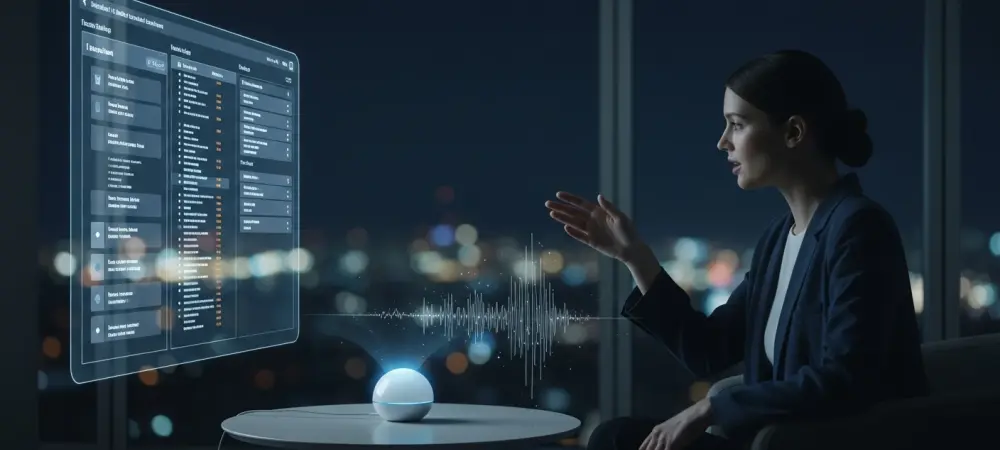
The familiar, stilted cadence of voice assistants is rapidly becoming a relic of the past as Google deploys a new generation of AI designed not just to hear commands but to hold a genuinely fluid conversation. This technological evolution marks a pivotal moment in human-computer interaction, moving beyond simple, transactional queries toward a more integrated and intuitive partnership between users and their devices. The implications of this shift extend far beyond asking for a weather forecast, signaling a fundamental reimagining of how information is accessed and utilized in a connected world.
Have We Finally Moved Past Asking Voice Assistants About the Weather
For years, voice interaction has been defined by its limitations. Users learned to speak in clear, simple commands, anticipating a direct, pre-programmed response. The recent integration of the Gemini 2.5 Flash Native Audio model, however, propels voice assistants into the realm of true conversational partners. This leap is characterized by the system’s ability to handle multi-turn dialogues, retain context from previous statements, and respond with a naturalness that was previously unattainable. The goal is to eliminate the cognitive load of translating a complex thought into a machine-readable command.
This advancement prompts a critical question: is this the moment voice interaction becomes as natural as speaking to another person? Early demonstrations suggest a significant step in that direction. The technology’s capacity for real-time, back-and-forth exchanges allows for collaborative tasks like planning a trip or brainstorming ideas verbally, without the frustrating interruptions and misunderstandings that plagued older systems. It represents a move from a purely functional tool to a more dynamic and helpful digital companion.
The End of Clunky Conversations Why This Upgrade Matters
The primary obstacle for traditional voice technology has always been latency. The cumbersome process of converting speech to text, sending the text to a language model for processing, and then synthesizing the text response back into speech created noticeable delays that broke the conversational flow. This inherent clunkiness has been a major barrier to widespread adoption for complex tasks, relegating voice assistants to simple, one-off commands. This upgrade is directly connected to the broader trend of ambient computing, an ecosystem where technology seamlessly integrates into the user’s environment without requiring direct, conscious interaction. For this vision to be realized, the interface must be frictionless. By dramatically reducing latency and improving conversational context, Google is making voice a more viable primary interface for interacting with a wide array of smart devices and services. Evolving beyond basic inputs is therefore critical for the future of both search and personal AI, enabling a more proactive and intuitive digital experience.
Under the Hood Gemini’s Native Audio Revolution
At the heart of this transformation is how Gemini 2.5 Flash Native Audio redefines search, turning Google Search Live into an interactive dialogue partner. Within its “AI Mode,” the system facilitates real-time, back-and-forth planning and problem-solving, allowing users to interrupt, ask follow-up questions, and refine their queries on the fly. A key practical feature is the user’s ability to slow down the AI’s spoken responses, a small but significant detail that proves immensely useful for following complex instructions, learning a new phrase, or taking notes.
This is not an isolated update but an ecosystem-wide transformation. The same native audio capabilities are being rolled out across Gemini Live, the developer-focused Google AI Studio, and the enterprise-grade Vertex AI platform. The core technical shift involves operating as a true speech-to-speech model, processing audio input directly to generate an audio output. This method bypasses the intermediate text-based steps, which is the key to minimizing delays and enhancing the natural, expressive quality of the AI’s voice.
Furthermore, the model breaks down communication barriers with powerful live speech-to-speech translation. By preserving vocal nuances such as rhythm, tone, and emphasis, the system produces translations that sound significantly less robotic and more human. Its capabilities are fortified by automatic language detection and advanced noise filtering, making it highly usable in real-world environments. This technology enables a seamless two-way conversation between speakers of different languages, with a single device acting as a near-instantaneous, high-fidelity interpreter.
From Science Fiction to Reality The Vision Behind the Tech
The driving force behind these advancements is a long-term vision heavily inspired by the seamless human-computer interactions depicted in popular science fiction like Star Trek. For decades, the concept of a computer that could understand and respond to natural language with human-like speed and intelligence has been a guiding star for researchers. This latest iteration of Gemini brings that aspirational goal much closer to tangible reality. According to industry experts, the strategic goal is to establish voice as a primary, if not preferred, interface for interacting with both the digital world of information and the physical world of connected devices. It is about creating a system that can see, hear, and understand its surroundings contextually. Research findings underscore the importance of native audio processing in this endeavor, as it is the key to creating systems that can perceive and react with the expressiveness and immediacy expected in human conversation.
Putting Gemini to Work A Practical Guide for Users and Developers
For everyday users, getting the most out of this new technology involves a shift in habit from issuing commands to engaging in dialogue. One effective strategy is to engage in multi-step queries—for example, asking to find a recipe, then asking for a shopping list based on that recipe, and finally requesting step-by-step cooking instructions. Another practical application is using the live translation feature during international travel or in multilingual community settings to foster clearer communication. Additionally, leveraging the slow-down feature for complex tasks, such as following a guided meditation or learning the pronunciation of a new word, can significantly enhance the user experience. For developers and businesses, this advancement opens the door to building the next wave of voice-first applications. The recommended framework involves shifting design philosophy from rigid, command-based structures to more dynamic, conversational user flows that can adapt to user interruptions and clarifications. This allows for the creation of more reliable and sophisticated automated voice agents for customer service, capable of handling multi-turn instructions and resolving complex issues without escalation. For enterprise solutions, the opportunity lies in harnessing consistent function-triggering to build powerful, voice-activated tools that integrate seamlessly into existing workflows. The successful deployment of Gemini’s native audio capabilities across Google’s platforms represented a significant milestone in the evolution of artificial intelligence. It was a clear demonstration that the industry had moved past the novelty of voice commands and into an era of meaningful, conversational interaction. This development not only enhanced user experiences but also provided developers with a more robust and reliable foundation upon which to build the next generation of voice-integrated applications. The focus had shifted from simply understanding words to comprehending intent, context, and even nuance, setting a new standard for what users could expect from their digital assistants.