

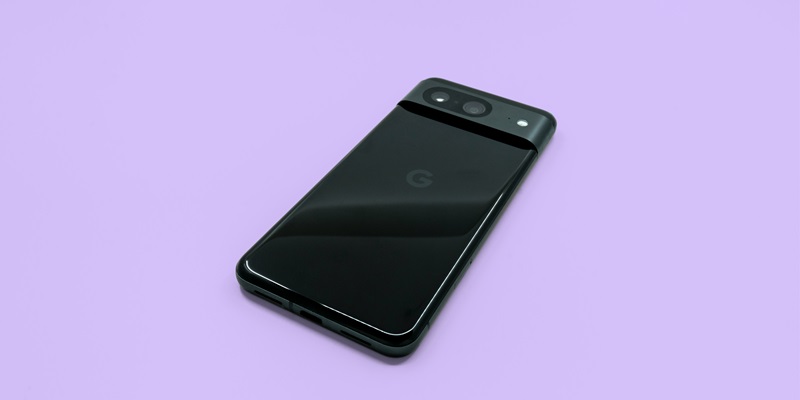
The smartphone market is becoming increasingly impatient as the anticipated launch of Google’s Pixel 8a nears. Slated for release at the much-awaited Google I/O event, tech aficionados are eager to dissect the array of features and advancements that Google has integrated into its latest iteration of the Pixel ‘a’ series.
Design and Display
A Vivid and Smooth Visual Experience
The Google Pixel 8a is rumored to incorporate a stunning 6.1-inch FHD+ display, making it a joy to consume multimedia content. But more than just size, the screen is upgraded with a 120Hz refresh rate, which ensures buttery-smooth scrolling and an enhanced visual experience that is now becoming standard, even in mid-range models. The choice of Gorilla Glass 3 for screen protection, while reliable, may raise some eyebrows as it is a few generations old in Corning’s lineup, leaving one to wonder about its vulnerability to scratches and falls in comparison to newer options.
An Intersection of Aesthetics and Durability
The Pixel 8a is expected to be more than just a visual treat; it’s also thoughtfully crafted to withstand the elements, bearing an IP67 rating. This not only reflects its ability to fend off dust and water but also hints at Google’s intention to merge form with function. The industry might favor flashy innovations, yet practicality remains a cornerstone, particularly for users who value longevity and durability over novelty.
Performance and Hardware
A Leap in Processing Power
At the heart of the Pixel 8a lies Google’s Tensor G3 processor, working in harmony with the latest Android operating system. This powerful partnership promises not only seamless multitasking but also the handling of AI and machine learning tasks with unprecedented ease. Coupled with the Titan M2 security module, users can be assured of a powerhouse that does not compromise on privacy or performance.
Enhanced Data Handling and Storage Options
Understanding the modern user’s need for ample and speedy storage, Google is incorporating two variants: 128GB and 256GB, both employing UFS 3.1 technology for fast data transfer rates. This means that the Pixel 8a will not only hold a generous amount of data but also ensure that accessibility to such information is swift and efficient— a crucial aspect for those who utilize their devices for both work and leisure.
Camera and Photography
An AI-Driven Photographic Toolkit
One of the most anticipated features of the Pixel 8a is its photography capabilities. Sporting a dual camera setup with a 64MP primary sensor paired with a 13MP ultra-wide lens, the Pixel 8a is gearing up to continue Google’s legacy of stellar photography. But beyond hardware, it is the AI-driven tools that will potentially set the Pixel 8a apart, offering users the ability to capture moments with precision and creativity previously expected only from high-end models.
Commitment to High-Quality Imaging
Google has always taken pride in its camera technology, and the Pixel 8a seems no exception. The incorporation of features such as Night Sight and astrophotography mode indicates the tech giant’s dedication to allowing users to push boundaries with their photography, irrespective of lighting conditions. This focus on delivering an advanced imaging experience in a mid-range device can potentially cement Google’s reputation as the go-to brand for smartphone photography enthusiasts.
Battery and Charging
Longevity Meets Convenience
A growing concern among smartphone users is battery life, and Google seems to be addressing this by equipping the Pixel 8a with a robust 4,492mAh battery. In addition, the introduction of wireless charging capabilities brings the device in line with current standards of power convenience. The balance between battery longevity and the consumption demands of a 120Hz display, however, remains to be seen in real-world usage.
Pacing with Power Demands
Excitement is building in the smartphone community as Google’s upcoming Pixel 8a inches closer to its unveiling at the highly anticipated Google I/O event. Tech enthusiasts are on the edge of their seats, awaiting the chance to explore the array of new features and technological advancements that Google is poised to offer with the latest addition to its affordable Pixel ‘a’ series.
The Pixel ‘a’ lineup has historically delivered a streamlined Google experience, balancing performance and affordability. With the Pixel 8a, expectations are high for improvements in areas such as camera capabilities, battery life, processor performance, and perhaps even AI enhancements in line with Google’s reputation for pushing the envelope in software innovation.
Moreover, with the smartphone market being fiercely competitive, Google’s strategic release of the Pixel 8a demonstrates an understanding of consumer demand for high-quality devices that don’t break the bank. The tech community is looking forward to seeing how Google’s new offering will stack up against rivals in terms of features, pricing, and overall value.
As the Google I/O event draws nearer, speculation and rumors about the Pixel 8a continue to swirl, stirring a buzz of anticipation that keeps potential buyers and industry watchers on their toes, ready to analyze every detail of Google’s latest foray into the cost-effective yet feature-rich smartphone segment.