

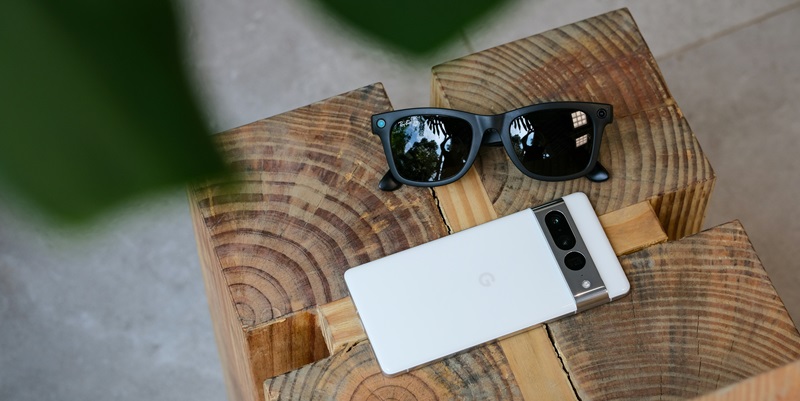
Offering high-end features at a newly reduced price, the Google Pixel 7 is now available for a steal. A 40% discount through Woot brings this premium device into an affordable price range for many consumers. What’s remained unchanged is the highly-regarded performance and quality that the Pixel line is known for. This price slash could signify an effort from Google to broaden the Pixel’s user base, inviting more customers to experience their rich ecosystem.
Uncompromised Performance at a Slashed Price
Superior Hardware and Seamless Software Integration
The Google Pixel 7 continues to impress with its advanced hardware and seamless integration with Google services, despite its reduced cost. The phone operates on Google’s Tensor G2 chipset, ensuring smooth performance and efficiency. Users also benefit from 128GB of storage, making space constraints a thing of the past. The Pixel 7’s dual-camera system includes a 50MP main sensor that captures stunning photography, rivaling the output of more expensive competitors.
Google’s strategy doesn’t just focus on impressive hardware but also on its software. Pixel 7 owners enjoy deep integration with Google’s portfolio of services, enhancing their user experience to a level of harmony rarely seen in other devices. Features like the Google Assistant become an extension of the user’s daily life, facilitating tasks with ease and precision. Furthermore, Google’s commitment to regular software updates ensures that the Pixel 7 remains up-to-date, providing a pure Android experience that is both reliable and cutting-edge.
Enduring Battery Life Meets User Demands
The Pixel 7’s battery life is a standout feature. Equipped with a 4355mAh battery, the smartphone supports over nine hours of intense video playback or approximately fourteen hours of web browsing. This longevity reassures users that their device can keep pace with their busy lifestyles without constantly needing a recharge. The extended battery life of the Pixel 7 promises to keep users connected and engaged for longer durations, a critical requirement in today’s mobile-driven world.
However, consumers considering the Pixel 7 should assess the potential trade-offs. While Google’s regular software updates are beneficial, there may be concerns over how long these updates will be supported. Furthermore, the standard warranty lasts just one year, which is less than some alternative offerings. With robust privacy measures becoming increasingly important to users, the implications of the device’s deep integration with Google’s services is something that should be carefully weighed. Prospective buyers must balance these considerations against the advantages the Pixel 7 provides.
A Competitive Edge in the Smartphone Market
High-Value Proposition for Shoppers
The significant price reduction of the Google Pixel 7 introduces a new value proposition for those in the market for a premium smartphone. The affordability of the Pixel 7 could be a decisive factor for shoppers, allowing them access to a high-quality device without the usual financial barrier. It’s an opportune moment for consumers who desire the latest in smartphone technology but are constrained by a budget. This new price point also places Google in a strong competitive position, potentially disrupting the market and drawing users from rival brands.
Beyond the immediate appeal of its lowered price, the Pixel 7 also delivers on the expectation of a premium smartphone. Users gain an impressive range of features that are typically reserved for more expensive devices, including a top-tier camera, powerful processor, and comprehensive software support. This approach could well pay off for Google, as entry-level and mid-range users are tempted to explore the more premium segment, potentially cultivating loyalty toward the Pixel brand.
Future Discounts and Strategic Considerations
Google’s Pixel 7, renowned for its advanced features and outstanding performance, has become even more accessible thanks to a significant price cut. Retailer Woot is offering the smartphone at a whopping 40% discount, a move that places the high-end gadget comfortably within the reach of budget-conscious consumers. Despite the reduction in cost, the Pixel 7 maintains the quality and capabilities that the series is celebrated for, including its impressive camera system, intuitive interface, and seamless integration with Google’s services.
This aggressive pricing strategy could be Google’s bid to expand the Pixel’s market share, attracting a wider audience to its ecosystem and showcasing the brand’s commitment to blending premium attributes with user affordability. The offer might also reflect competition dynamics in the tech industry, where frequent updates and launches put pressure on companies to make their existing models more appealing.
The Pixel 7, at this reduced price, positions Google as a stronger contender in the smartphone segment, presenting an opportunity for more consumers to switch to or start their journey with the Pixel line. For those who have been eyeing a high-quality smartphone without the luxury price tag, this deal could be an ideal moment to take the plunge.