

Both the Pixel 11 Pro and the 10 Pro utilize LTPO OLED technology to dynamically scale refresh rates from 1Hz to 120Hz for optimal battery conservation. As the mobile landscape evolves through 2026, the introduction of the Google Pixel 11 series represents a pivotal moment in the competitive Android ecosystem, challenging the dominance of established flagships with increasingly sophisticated artificial intelligence. The Pixel 11 Pro emerges not just as a successor, but as a refined instrument designed to showcase the integration of custom silicon and advanced computational photography. Meanwhile, the Pixel 10 Pro has transitioned into a highly attractive alternative, benefiting from significant market adjustments that have lowered its price while maintaining high-end performance. This comparison aims to dissect the subtle yet impactful differences between these two generations, providing a clear roadmap for consumers navigating the choice between the absolute cutting edge and the seasoned veteran. With a price delta of several hundred dollars, the decision rests on whether internal efficiency and specific camera upgrades outweigh the established reliability of the previous year’s hardware.
Aesthetics and Durability: The Continuity of Industrial Design
In terms of physical aesthetics and structural integrity, Google has maintained a philosophy of continuity that prioritizes ergonomic familiarity over radical transformation. The Pixel 11 Pro and Pixel 10 Pro are virtually identical in their external dimensions and weight, making the transition between generations seamless for long-term users. Both smartphones utilize a premium sandwich construction consisting of Corning Gorilla Glass Victus 2 panels on the front and back, held together by a high-grade aluminum frame. This choice of materials ensures a high degree of scratch and drop resistance, maintaining a pristine appearance even under heavy daily usage. The rounded corners and balanced weight distribution contribute to a comfortable hand-feel, a critical factor for a device with a 6.3-inch display. While some might have expected a significant reduction in weight or a change in the frame’s curvature, the existing design has proven effective at balancing durability with a sophisticated aesthetic that competes well with other premium handsets in the 2026 market.
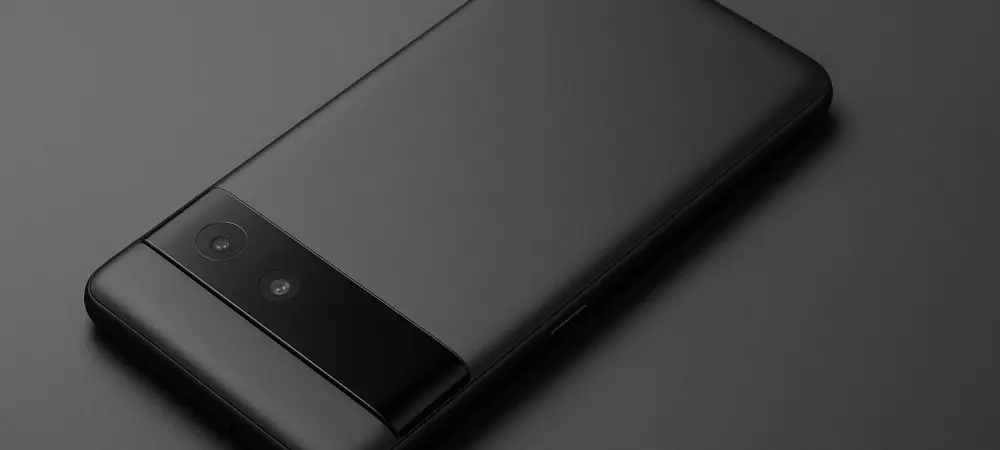
The most notable visual distinction between the two devices lies in the color palette offered for each generation and subtle adjustments to the camera housing’s glass finish. The Pixel 11 Pro introduces a more matte texture on the rear glass which resists fingerprints more effectively than the slightly glossier finish found on the Pixel 10 Pro. Beyond these cosmetic tweaks, the functional design remains unchanged, including the IP68 ingress protection rating, which guarantees that both devices can withstand immersion in water and are fully sealed against dust and debris. This level of environmental protection is standard for the series, ensuring that whether a user is caught in a rainstorm or working in a dusty environment, the internal components remain shielded. The consensus viewpoint among industry analysts is that from a pure hardware design and tactile perspective, there is no tangible advantage to the newer model; both represent the pinnacle of Google’s industrial design, focusing on a minimal and clean appearance that avoids unnecessary ornamentation.
Visual Fidelity: Super Actua Display Performance
The visual interface is perhaps the most critical component of the user experience, and here, Google continues to utilize its high-performance Super Actua display technology to deliver vibrant and accurate colors. Both the Pixel 11 Pro and the Pixel 10 Pro are equipped with a 6.3-inch LTPO OLED panel featuring a resolution of 1280 x 2856 pixels, resulting in an exceptionally high pixel density that makes text appear sharp and images look lifelike. The LTPO backplane is essential for modern efficiency, allowing the screen to drop its refresh rate to just 1Hz when viewing static content, which significantly reduces power consumption without sacrificing the fluid 120Hz motion required for gaming and scrolling. This technology has become a cornerstone of the Pro series, ensuring that the display does not become a primary drain on the battery during casual use. The consistency in panel quality across these two generations means that users will enjoy a top-tier viewing experience regardless of which model they choose for their daily activities.
While the official specifications suggest a boost in brightness for the Pixel 11 Pro, claiming a peak of 3,600 nits compared to the 3,300 nits of the 10 Pro, empirical testing reveals a much narrower gap in real-world scenarios. In automated high-brightness modes, the Pixel 11 Pro reached 2,426 nits, which is a marginal increase over the 2,351 nits measured on the Pixel 10 Pro under identical lighting conditions. Similarly, the peak brightness difference was less than 4%, a delta that is virtually imperceptible to the human eye even when using the devices in direct, harsh sunlight. Both screens provide excellent HDR10+ support and utilize Android’s Ultra HDR format, ensuring that content consumption and photo viewing are immersive and high-contrast on either generation. For the majority of users, the display on the Pixel 10 Pro remains just as impressive as the one on the 11 Pro, as the hardware refinements in the newer model are focused on edge-case scenarios that rarely manifest in standard indoor or shaded outdoor environments.
Silicon Evolution: The Tensor G6 Transition
The heart of the Pixel 11 Pro is the new Tensor G6 chipset, a piece of silicon that represents a significant shift in Google’s hardware strategy. Built on a cutting-edge 3nm process, the G6 focuses on balancing raw power with thermal efficiency and machine learning capabilities. Interestingly, the G6 features a 7-core CPU architecture, which is one core fewer than the 8-core Tensor G5 found in the Pixel 10 Pro. However, this reduction in core count is offset by the fact that the individual cores in the G6 are clocked significantly higher. The primary C1-Ultra core reaches a staggering 4.1 GHz, providing a substantial boost in single-threaded tasks such as app launching and complex web browsing. This architectural shift demonstrates Google’s commitment to optimizing the user experience for responsiveness rather than just maximizing core counts for marketing purposes. This results in a device that feels remarkably snappier during intensive multitasking or when processing local AI requests that do not require cloud connectivity. Benchmark data indicates that the Tensor G6 delivers approximately a 20% improvement in both single-core and multi-core CPU performance compared to the previous generation. This results in a more capable platform for the next generation of AI-driven features, including real-time translation and sophisticated on-device video editing. However, the GPU situation is more nuanced and has sparked debate among gaming enthusiasts. The Pixel 11 Pro uses an IMG CXTP-48-1536 graphics processor, which lacks the advanced ray-tracing capabilities found in the Series D GPU of the Pixel 10 Pro. Furthermore, while the Pixel 10 Pro comes standard with a generous 16GB of RAM, the base 256GB model of the Pixel 11 Pro is equipped with only 12GB of RAM. To match the memory capacity of the older flagship, users must upgrade to the 512GB storage variant of the 11 Pro. This creates a trade-off where the newer model offers superior raw CPU speed and efficiency, but the Pixel 10 Pro provides better hardware-level graphics features and more multitasking headroom at its entry price point.
Power Efficiency: Endurance and Charging Ecosystems
One of the most meaningful and tangible upgrades in the Pixel 11 Pro is its energy efficiency, which addresses a long-standing concern for mobile professionals. Despite having a slightly smaller physical battery capacity of 4,850 mAh compared to the 4,870 mAh found in the Pixel 10 Pro, the newer model demonstrates the clear benefits of the more optimized 3nm Tensor G6 chip. In standardized active use testing, the Pixel 11 Pro achieved a remarkable score of 15 hours and 38 minutes, outlasting the 10 Pro by over three and a half hours. This improvement is most pronounced in high-drain activities such as high-definition video streaming and mobile gaming, making the 11 Pro a much more reliable companion for power users who cannot always access a charger during the day. The enhanced thermal management of the G6 also means the phone stays cooler under load, preventing the aggressive brightness dimming or performance throttling that sometimes affected the previous generation during long sessions.
Regarding the charging ecosystem, both phones support 30W wired charging via Power Delivery, ensuring compatibility with a wide range of existing accessories. Although Google introduced a new “Extreme Charging” mode for the 11 Pro, testing shows it does not significantly decrease the total time required for a full charge compared to the previous model; both typically reach a full capacity in just over an hour. However, the 11 Pro takes a definitive lead in the realm of wireless convenience. It supports wireless charging speeds up to 25W when paired with Qi2.2 compatible chargers, whereas the Pixel 10 Pro is limited to 15W. For users who have fully embraced wireless desk stands or automotive chargers, this 66% increase in wireless speed is a noteworthy enhancement that keeps the device topped up more efficiently throughout the day. This shift toward faster wireless standards suggests that Google is moving toward a future where physical cables are increasingly optional for the average flagship user.
Imaging Systems: Telephoto Advancements and Sensor Dynamics
Photography remains the cornerstone of the Pixel brand, and the camera arrays on both phones showcase Google’s leadership in computational imaging. While the primary camera sensors appear identical on paper—both utilizing a 50MP 1/1.3″ sensor—the Pixel 11 Pro captures images with a finer detail structure and more natural sharpening algorithms. The transition to the Tensor G6 has allowed for more sophisticated image processing pipelines that reduce the “digital look” sometimes found in high-contrast scenes. While the Pixel 10 Pro is still an excellent photographic tool, the 11 Pro produces results that feel more like professional-level photography, featuring a hint of warmer, more pleasing color rendition and better highlight retention in challenging environments. For users who primarily post to social media, these differences might be subtle, but for those who print their photos or view them on large 4K displays, the improved clarity of the newer model is evident. The Pixel 11 Pro also introduces a larger 1/1.95″ sensor for its 5x periscope zoom lens, representing a significant hardware upgrade over the 1/2.51″ sensor found in the 10 Pro. This hardware change results in significantly sharper images at 5x and 10x magnification, with less noise and better color accuracy in low-light zooming scenarios. However, this larger sensor comes with a physical trade-off: the minimum focusing distance has increased, making close-up telephoto shots more difficult to achieve compared to the previous generation. Interestingly, the Pixel 10 Pro consistently produces sharper low-light images from its ultrawide lens, whereas the Pixel 11 Pro appears to have slightly softer output in extremely dark conditions, possibly due to different lens coatings or processing priorities. This creates a scenario where the 11 Pro is the superior choice for long-distance capture, while the 10 Pro remains a highly capable and sometimes more consistent wide-angle performer for evening landscapes and interior shots.
Media Production: Video Standards and Strategic Insights
In terms of video production, both phones support 4K60 and cloud-based 8K video, but the Pixel 11 Pro gains a technical edge by supporting HDR recording at the full 60 frames per second. The Pixel 10 Pro, by contrast, is capped at 4K30 for HDR content, which can result in less fluid footage when trying to capture high-dynamic-range scenes with fast motion. The new “Magic Capture” and “Camera Looks” features on the 11 Pro add layers of creative control, allowing users to apply professional color grades in real-time or remove distracting background elements with greater precision. While these software tools do not fundamentally change the raw quality of the footage, they streamline the editing process for content creators who need to produce high-quality results quickly. Selfie performance also shows some interesting variance; while both use a 42MP front sensor, the 11 Pro excels in bright daylight, whereas the 10 Pro surprisingly maintains a slight edge in low-light selfie clarity, likely due to a less aggressive noise reduction algorithm.
The comparison between these two devices highlights a broader trend in the 2026 smartphone industry where hardware innovation has plateaued in favor of internal efficiency and software intelligence. The Pixel 10 Pro was a landmark device that established a high bar for display quality and main camera performance, making it a very difficult act to follow. The Pixel 11 Pro successfully addressed the most critical feedback from the previous year—specifically battery life and wireless charging speeds—while pushing the boundaries of telephoto hardware. However, the reduction in base RAM and the removal of certain GPU features in the newer model are puzzling regressions that make the older flagship look even more attractive to budget-conscious buyers. Ultimately, the market has room for both; one serves as a cutting-edge showcase of efficiency and long-range imaging, while the other remains a robust, high-value workhorse that offers nearly 90% of the same experience for a fraction of the cost.
Strategic Recommendations: Choosing the Optimal Path Forward
The decision between these two smartphones ultimately rested on the specific needs of the user rather than a simple checklist of specifications. Those who prioritized maximum battery endurance and frequently utilized the 5x or 10x zoom found the Pixel 11 Pro to be a necessary upgrade that justified its higher entry price. The efficiency of the Tensor G6 was not just a theoretical benefit; it translated into a more reliable tool for those who spent long hours away from power outlets. Conversely, the Pixel 10 Pro was the more pragmatic choice for users who valued raw multitasking power through its 16GB of RAM and those who engaged in high-end mobile gaming where ray-tracing support was a factor. By maintaining such high standards in display technology and main camera quality, the predecessor remained a top-tier recommendation throughout the year, especially as retailers lowered prices to clear inventory for the newer series.
Moving forward, consumers should evaluate their current hardware to determine if the jump to the 11 series provides enough of a functional leap. If the current device struggles to last through a full day or if telephoto clarity is a primary hobby, the Pixel 11 Pro is the definitive solution. However, for those already using a relatively modern flagship, the Pixel 10 Pro offers a nearly identical visual and tactile experience while saving significant capital that could be better spent on accessories or cloud storage services. The evolution of the Pixel line has reached a stage where year-over-year changes are focused on refinement, suggesting that a two-year upgrade cycle has become the most logical path for the majority of users. For those entering the Google ecosystem for the first time in 2026, the discounted Pixel 10 Pro provided the best balance of features and financial sensibility, while the 11 Pro served as the high-water mark for Google’s engineering capabilities.