

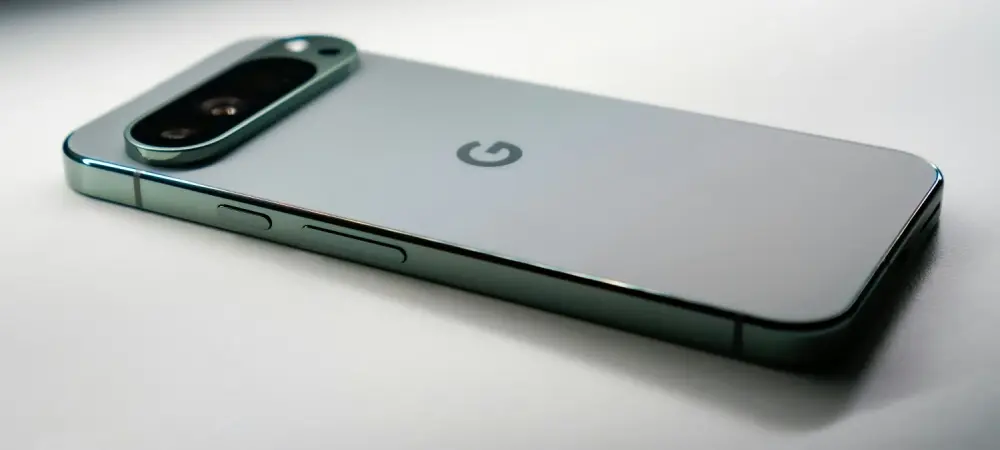
The Google Pixel 10 series is making a dazzling entrance into the market, captivating attention with its audacious new color options. This latest leak, which has sent ripples through the tech community, ends previous speculations and heralds a pivotal shift in Google’s color strategy. In an unexpected twist, the enduring favorites Obsidian and Porcelain have been set aside, a notable break from tradition as these shades have been signature features for four consecutive generations. However, their absence is compensated by the introduction of a lighter Porcelain variant, aptly named Light Porcelain, offering users a creamy new choice.
Unveiling the Color Choices
Pixel 10’s Distinctive Palette
The base Google Pixel 10 emerges with a diverse and vibrant palette, offering four distinct colors to cater to varied tastes. Setting a vibrant tone, Ultra Blue is introduced as an exclusive shade for this model, emphasizing a cool and lively aesthetic. Accompanying Ultra Blue, the fiery Limoncello provides a zingy presence that exudes an invigorating appeal, while the enchanting Iris provides a calm, elegant option. Completing this distinctive range, Midnight serves as a darker alternative, leaning more toward the mysterious depths relative to the erstwhile Obsidian. This mix of bold and muted tones aligns with contemporary preferences, ensuring that buyers can find a color that resonates with their personal style. This array is a strategic move to imbue the Pixel 10 with a fresh identity that departs from its predecessors, which had firmly centered around the traditional Obsidian and Porcelain. Enhanced by a unique variant like Ultra Blue, Google capitalizes on diversity within the Pixel 10 offerings. As consumer tastes evolve, a fresh color scheme that includes light, vibrant, and serene hues underscores the commitment to tailor designs that match the dynamic preferences of a modern audience. =This deliberate choice of colors illustrates the importance of adapting to market expectations while maintaining a core identity.
Aesthetic Realignment of Pixel 10 Pro and Pro XL
The narrative of Google’s color palette advances further with Pixel 10 Pro and Pro XL, which extend the focus on innovation and varied selections. These models boast four colors, matching each other closely yet retaining individuality against the base version’s offerings. Sterling Gray emerges as a statement of classic sophistication, paired with the graceful Light Porcelain to add elegance. Midnight adds depth to the series, fostering a sense of timeless appeal. Introducing the intriguing Smoky Green stands as a testament to adventurous revision, balancing novelty with tradition. Smoky Green’s deep hue juxtaposes traditional grayscale, granting the Pixel 10 Pro series an innovative twist that harmoniously blends with a refined image. By offering a varied selection like this, Google acknowledges the sophistication of its users who seek devices reflecting personal and professional lifestyles. The choice to offer Smoky Green, alongside classic expressions, exemplifies the evolution within Google’s strategy towards offering consistent styling yet refreshing novelty. The consideration reflects the desire for color to reinforce product appeal beyond mere technological advancements.
Pixel 10 Pro Fold: Simplicity and Elegance
Minimalist Approach to Foldable Design
Turning attention to the Pixel 10 Pro Fold, Google’s aesthetic evolution is underscored by a deliberately subdued color range. Offering only two colors, Smoky Green and Sterling Gray, this model steps into the market with a minimalist approach that counters the bright and varied selections seen in its non-foldable peers. This restrained palette caters to a demographic that prizes subtle elegance and understated sophistication, aligning with the versatility expected from foldable smartphones. Choosing Smoky Green and Sterling Gray ensures that the foldable device maintains a sophisticated appearance suitable for multiple settings, from business environments to personal use. It reveals Google’s strategic acumen in navigating the growing foldable device market. By focusing on a restrained selection, Google places confidence in the refined allure of these shades to uphold brand prestige while distinguishing the Pro Fold from its non-foldable counterparts.
Strategic Consolidation Amid Changing Trends
The absence of bolder hues in Pixel 10 Pro Fold serves not just as a nod to elegance but signals a broader trend in Google’s strategic realignment of color offerings. In a market overwhelmed with hues and choices, streamlining might be a masterstroke that centers focus on experiential quality and differentiation through form factor rather than ornamentation. As folding technology evolves, subtlety becomes key to defining the uniquely portable device’s character, positioning Pixel 10 Pro Fold as the epitome of modern, refined design.
Google’s consolidation of colors amidst the Pixel series hints at a balancing act between consumer demand for novelty and the desire for simplicity in select high-end market segments. Amid competitive pressures and shifting aesthetics, it forges a path that enhances user experience by placing physical form and function as centerpieces of brand experience. Such decisions mirror a nuanced understanding of market dynamics, affirming Google’s role as a visionary leader in tech design.
Transforming Taste into Trend
The Google Pixel 10 series is creating quite a buzz as it prepares to launch, mainly because of its bold new color palette. This recent leak, stirring much excitement in the tech world, dismisses earlier rumors and marks a significant turning point in Google’s approach to color design. A surprising development is the sidelining of the long-standing popular shades Obsidian and Porcelain, which have been staples in the Pixel line for the past four iterations. This departure from the norm signifies an evolutionary step for Google as it experiments with its aesthetic offerings. Yet, for those who favor lighter tones, Google has introduced Light Porcelain. This new shade provides a fresh, creamy alternative to the classic Porcelain, aiming to appeal to users looking for a subtler, yet elegant, finish. The Pixel 10 series seems poised to redefine not just the technological capabilities, but also the visual appeal of smartphones, attracting users who appreciate both innovation and design.