

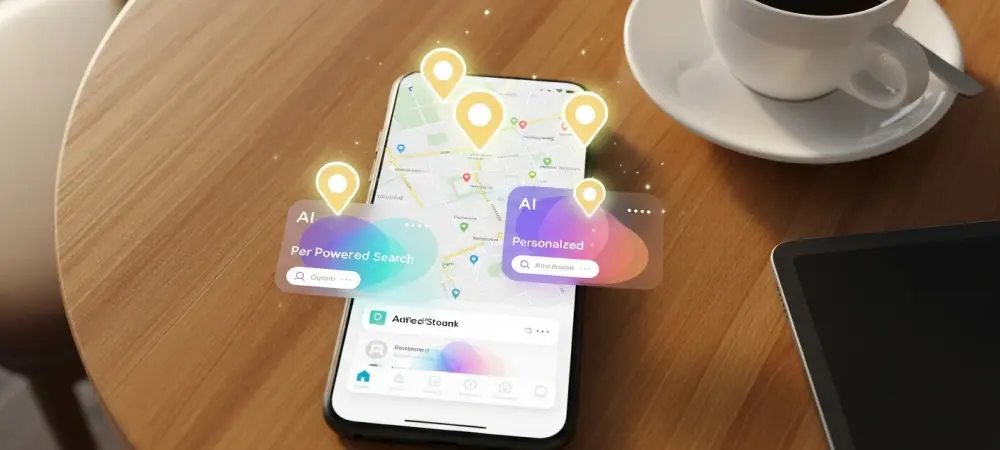
The traditional method of typing isolated keywords into a search bar is rapidly becoming a relic of the past as navigation tools transform into sophisticated digital assistants. By embedding the Gemini AI model directly into the mapping interface, Google has shifted the focus from simple coordinate plotting toward understanding the nuanced intentions behind every human query. This evolution signifies a major leap in how users interact with the physical world, turning a basic utility into a proactive companion that synthesizes billions of data points to provide immediate, relevant guidance.
The objective of this exploration is to address the most pressing questions regarding the Ask Maps feature and the broader integration of generative artificial intelligence within the platform. Readers can expect to learn how these advancements affect daily travel, the specific mechanics of personalized discovery, and the future of immersive navigation. The scope covers the rollout across major global markets and the technical shifts that allow for more natural, conversational interactions between people and their mobile devices.
Key Questions Regarding the Gemini Integration
What is the primary function of the Ask Maps feature?
Traditional search engines often struggle with subjective or multi-layered requests, such as finding a quiet cafe that also serves vegan pastries and has reliable Wi-Fi. In the past, a user would have to perform multiple searches and manually cross-reference reviews to find a suitable location. Ask Maps addresses this friction by allowing for natural-language inquiries that the Gemini model processes holistically, scanning through over 300 million locations and half a billion user reviews to find the perfect match.
The system does not just provide a list of names; it generates a comprehensive summary that explains why specific venues were chosen based on the user’s unique criteria. This conversational approach allows travelers to ask follow-up questions or refine their search parameters on the fly, much like speaking with a local expert. By combining visual map data with written context, the interface provides a more intuitive way to explore unfamiliar neighborhoods without the need for repetitive filtering.
How does hyper-personalization change the user experience?
General search results often feel impersonal because they treat every user as a blank slate, ignoring individual tastes and past behaviors. This lack of context can lead to irrelevant suggestions that require further manual sorting, which is particularly frustrating when someone is in a hurry. Gemini solves this by leveraging a user’s history, including previously saved locations and dietary preferences, to prioritize results that align with established habits.
For example, if a traveler frequently visits plant-based restaurants, a query for group dining will automatically highlight venues with robust vegan menus. This proactive filtering happens behind the scenes, ensuring that the information presented is already tailored to the individual’s lifestyle. Beyond just finding a spot, the tool integrates action-oriented features like direct booking and easy location sharing, streamlining the transition from discovery to physical arrival within a single flow.
What advancements does Immersive Navigation bring to drivers?
Driving in complex urban environments often involves more than just knowing when to turn; it requires an understanding of the surrounding terrain and the specific layout of a destination. Standard 2D maps frequently fail to convey the verticality of buildings or the nuances of lane changes in heavy traffic. To counter this, the new immersive updates provide a 3D view of the route, utilizing natural voice guidance that feels more human and less robotic.
Moreover, the system now offers detailed route comparisons that factor in variables like toll costs and real-time traffic delays. The “last-mile” experience is also improved through Street View previews of the destination, which help drivers identify building entrances and parking structures before they even arrive. This comprehensive approach ensures that the journey is managed from the initial planning phase until the vehicle is safely parked, reducing the stress associated with navigating unfamiliar cities.
Summary of Technological Advancements
The integration of Gemini into Google Maps redefined the platform as a context-aware assistant capable of handling complex, real-world scenarios. By moving away from rigid keyword searches, the update enabled a more fluid discovery process that prioritized personalization and user intent. These changes successfully bridged the gap between digital information and physical exploration, making it easier for individuals to find exactly what they needed based on their unique preferences.
The rollout also introduced significant visual improvements, such as 3D terrain mapping and enhanced guidance features that provided a more realistic preview of the road ahead. While the primary focus remained on mobile platforms in the United States and India, the expansion toward desktop and in-car systems marked a clear commitment to a cross-device AI ecosystem. This transition ensured that the power of generative intelligence was available regardless of how or where a user chose to navigate.
Final Thoughts on the Future of Navigation
As artificial intelligence continues to permeate every aspect of digital life, the shift toward conversational interfaces will likely become the standard for all location-based services. Users should consider how these tools can be leveraged to simplify complex travel planning and discover hidden gems that traditional search methods might overlook. Staying informed about how personal data influences these AI-driven results will be essential for maintaining a balance between convenience and privacy.
Looking ahead, the evolution of digital maps will probably involve even deeper integration with augmented reality and autonomous vehicle systems. Businesses must adapt to these changes by ensuring their digital presence is optimized for AI ranking signals, as visibility in a conversational search differs significantly from traditional SEO. Embracing these technological shifts now will prepare both consumers and entrepreneurs for a future where the boundary between the digital map and the physical world continues to blur.