

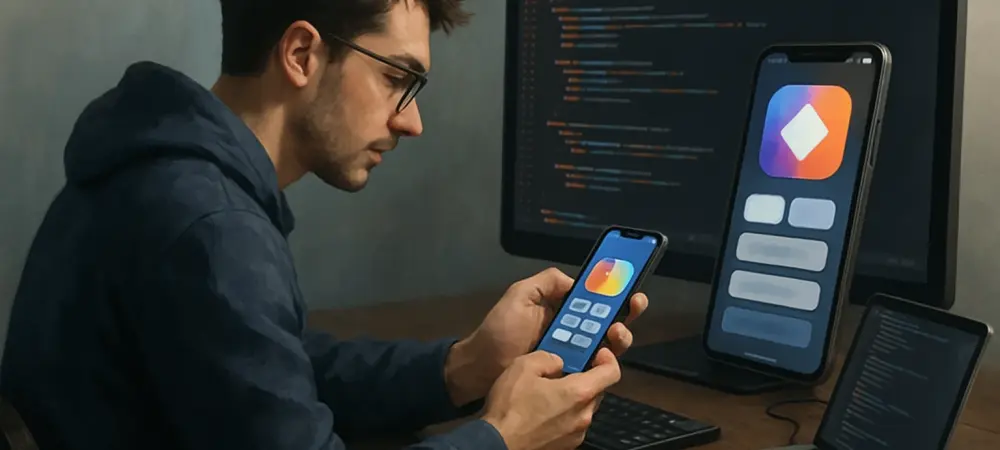
In an era where digital innovation drives nearly every industry, the barrier to creating functional web applications often remains high, especially for those without coding expertise, such as small business owners, educators, or hobbyists with brilliant ideas but limited technical skills. This review explores how Google has addressed this gap with a groundbreaking solution in its AI Studio platform, specifically through the innovative “vibe coding” feature, diving deep into how this tool leverages artificial intelligence to simplify app development and make it accessible to a diverse audience ranging from complete beginners to seasoned developers.
Unveiling the Power of Vibe Coding
Google AI Studio has emerged as a pivotal platform in the realm of AI-driven development, with its vibe coding feature taking center stage in the Build tab. This tool aims to revolutionize how web applications are created by allowing users to transform simple ideas into functional apps using natural language prompts. It reflects a broader trend in technology toward democratizing complex processes, ensuring that app-building is no longer the exclusive domain of programmers but a possibility for anyone with a vision.
The significance of this feature lies in its ability to cater to a wide spectrum of users. By integrating advanced AI models, the platform automates much of the heavy lifting involved in coding, offering an intuitive interface that prioritizes ease of use. This aligns with the growing demand for tools that empower non-technical individuals to participate in the digital economy, positioning Google as a leader in accessible innovation.
Core Features Driving the Experience
AI-Powered Prompt-to-App Magic
At the heart of vibe coding is its remarkable ability to convert user prompts into fully operational web applications in under a minute. Powered by cutting-edge AI models like Gemini 2.5 Pro, the system auto-assembles app components, from user interfaces to backend logic, with minimal input. Testing this feature revealed its efficiency—generating a basic interactive game app took just over a minute, complete with customizable elements.
This prompt-to-app generation eliminates the traditional complexities of coding, such as syntax errors or framework incompatibilities. Users simply describe their desired app, and the AI handles the rest, producing a working prototype almost instantly. Such speed and simplicity make this tool invaluable for rapid ideation and prototyping across various sectors.
The real-world impact of this functionality is evident in its accessibility. Whether it’s a student crafting a learning tool or an entrepreneur testing a business concept, the feature reduces time-to-market significantly. This democratization of app creation underscores Google’s commitment to inclusivity in technology.
Dual-Interface Editing for Seamless Customization
Another standout aspect is the platform’s dual-interface editing system, which combines an AI chatbot with a traditional code editor in a split-screen layout. This setup allows users to make high-level visual adjustments while also diving into detailed code modifications as needed. The AI assistant provides real-time guidance, offering suggestions and explanations for technical elements.
For those unfamiliar with programming languages like TypeScript, the interface includes helpful tooltips and context-aware recommendations that simplify the editing process. This balance of user-friendly design and technical depth ensures that both novices and experts can tailor apps to their specific requirements without feeling overwhelmed.
This flexibility enhances the iterative development process. Users can experiment with design tweaks or functional enhancements on the fly, supported by an AI that adapts to their needs. Such a dynamic editing environment fosters creativity and precision, setting a new standard for app-building platforms.
Creative Sparks with Unique Tools
Innovation shines through in vibe coding’s creative tools, particularly the “I’m Feeling Lucky” button, which generates random app ideas and configurations to inspire users. This feature acts as a catalyst for discovery, helping individuals explore concepts they might not have considered otherwise. Paired with AI-driven recommendations like Gemini’s Flashlight, it suggests enhancements based on the app’s current state.
These tools encourage a mindset of experimentation, allowing users to iterate on their projects with fresh perspectives. For instance, a random suggestion might lead to adding an unexpected feature, transforming a basic app into something more engaging. This focus on sparking creativity distinguishes the platform from more rigid development environments.
The integration of such features also supports collaborative workflows. By providing a starting point or mid-project inspiration, they enable teams or individuals to build upon evolving ideas, ensuring that the development process remains dynamic and forward-thinking.
Industry Trends Reflected in the Platform
The rise of vibe coding mirrors several key trends shaping the tech industry, particularly the push toward making coding accessible to all. This democratization aligns with a growing emphasis on empowering non-experts to contribute to software development, breaking down barriers that have historically limited participation in this field.
Rapid prototyping is another trend evident in the platform’s design. The ability to move from concept to functional app in mere moments addresses the industry’s need for speed, especially in competitive markets where agility is paramount. This focus on quick iteration allows for faster feedback loops and continuous improvement.
Additionally, the platform’s emphasis on collaborative innovation resonates with current shifts toward community-driven development. Features that facilitate sharing and building on others’ work reflect a move toward open, inclusive ecosystems where ideas can flourish through collective effort, further solidifying Google’s role as an industry pacesetter.
Practical Applications Across Sectors
Vibe coding’s versatility shines in its wide range of real-world applications, catering to diverse users from hobbyists to professionals. For example, educators have used the tool to create interactive learning aids, while small business owners have developed customer-facing apps to enhance their operations, all without needing extensive coding knowledge.
Deployment options add to this adaptability, offering pathways like GitHub integration for version control, local downloads for personal use, or Cloud Run hosting for scalable production environments. These choices ensure that apps built on the platform can serve varied purposes, from quick prototypes to fully deployed solutions.
This breadth of application highlights the tool’s potential to impact multiple industries. Whether supporting a startup’s minimum viable product or enabling a creative individual to launch a passion project, the platform provides a foundation for innovation that transcends traditional development constraints.
Navigating Challenges and Limitations
Despite its strengths, vibe coding faces certain challenges that could affect its adoption for complex projects. Technical limitations become apparent when building apps with intricate functionalities, as the AI may struggle to handle highly specialized requirements without significant manual intervention.
Scalability is another concern, particularly for users aiming to transition from prototype to large-scale deployment. While basic features are accessible for free, advanced capabilities often require paid API keys, which could pose a barrier for some. Additionally, mastering the full range of editing tools may involve a learning curve for those new to development platforms.
Google appears to be actively addressing these issues through ongoing updates and enhancements. Efforts to expand the platform’s capacity for complex app development and streamline access to premium features suggest a commitment to overcoming current limitations, paving the way for broader usability in the near future.
Looking Ahead at Potential Evolutions
The future of Google AI Studio holds promising possibilities as the vibe coding feature continues to evolve. Anticipated updates may include more robust AI models capable of handling intricate app demands, further reducing the need for manual coding even in advanced scenarios.
Integration with emerging technologies could also enhance the platform’s capabilities, potentially incorporating tools for augmented reality or machine learning directly into the app-building process. Such advancements would position the platform at the forefront of next-generation development trends over the coming years.
Long-term, the impact on technology accessibility could be profound, with vibe coding potentially reshaping how app development is taught and practiced. By continuing to lower entry barriers, Google may inspire a new wave of creators, fundamentally altering the landscape of digital innovation.
Reflecting on a Transformative Tool
Looking back, the exploration of Google AI Studio’s vibe coding feature revealed a platform that redefined app development through accessibility and innovation. Its ability to turn ideas into functional web applications with minimal effort stood out as a significant achievement. The dual-interface editing and creative tools proved instrumental in supporting users across skill levels.
As a next step, users and organizations should consider experimenting with this tool to test its fit for their specific needs, whether for quick prototypes or more polished projects. Keeping an eye on Google’s updates will also be crucial, as enhancements could address existing limitations and unlock new possibilities. Ultimately, embracing such platforms may offer a strategic advantage in a rapidly evolving digital world, opening doors to creativity and efficiency previously out of reach.