

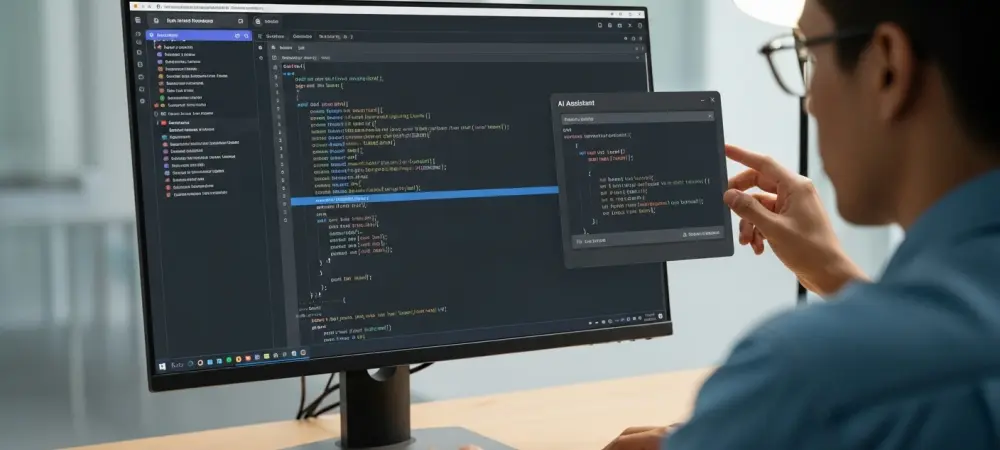
A stark dichotomy has emerged within the Go development community, revealing a deep affection for the language itself while casting a shadow of doubt over the artificial intelligence tools increasingly integrated into their workflows. A comprehensive survey from 2025, which gathered insights from 5,739 developers, paints a clear picture of this professional paradox. While the simplicity and power of Go continue to earn the loyalty of its user base, the AI-powered coding assistants designed to augment their productivity are being met with significant skepticism, primarily driven by concerns over the reliability and quality of the code they generate. This growing divide highlights a critical challenge in the evolution of software development: ensuring that the tools built to assist developers meet the same high standards as the languages they are designed to support. The data suggests that for Go developers, the promise of AI has yet to fully translate into practice, creating a landscape of cautious adoption rather than enthusiastic embrace.
A Tale of Two Satisfactions
The deep-seated appreciation for the Go language is one of the most definitive takeaways from recent developer feedback, with an overwhelming 91% of respondents expressing satisfaction. Nearly two-thirds of this group went further, reporting they are “very satisfied,” a testament to Go’s core design principles. Developers consistently praise its identity as a holistic platform, valuing its straightforward syntax and comparative lack of complexity as a solid foundation for building robust software. However, this high level of contentment does not mean the ecosystem is without its challenges. The most cited frustrations point to the nuances of professional development, with a third of developers finding it difficult to ensure their code adheres to Go’s established best practices. Following closely behind are concerns over the absence of specific features found in other languages (28%) and the ongoing difficulty of identifying and vetting trustworthy modules and packages (26%), indicating that even in a beloved environment, there are still significant hurdles to overcome.
In stark contrast to the enthusiasm for the language, the sentiment towards AI-powered development tools is decidedly more critical and lukewarm. Despite over half of Go developers using these tools daily, the overall satisfaction rate hovers at a middling 55%, a figure that masks a more telling distribution. A substantial 42% of users are only “somewhat satisfied,” while a mere 13% feel “very satisfied” with their AI assistants. The root of this dissatisfaction is a fundamental issue of trust and reliability. A majority of discontented users (53%) reported that the primary problem is that these tools often generate code that is simply non-functional. For the code that does work, another 30% lamented its poor quality. Nevertheless, developers have found value in AI for specific, lower-risk tasks. The tools, most commonly ChatGPT and GitHub Copilot, are considered beneficial for generating unit tests, writing boilerplate code, enhancing autocompletion, and assisting with complex refactoring efforts.
The Go Development Landscape
The survey also provides a detailed snapshot of the modern Go developer’s environment, revealing a community largely focused on building the backbone of modern cloud and system infrastructure. The most common projects undertaken are command-line tools (74%) and API/RPC services (73%), underscoring Go’s strength in networking and backend development. The developer’s choice of operating system is split primarily between macOS (60%) and Linux (58%), but when it comes to deployment, the target is overwhelmingly singular: 96% of Go applications are deployed to Linux systems, reaffirming its status as the default server-side environment. This preference for open-source and Unix-like systems extends to their choice of editor, with Visual Studio Code leading the pack at 37%, followed closely by the more specialized GoLand/IntelliJ IDE at 28%. The cloud remains the dominant deployment destination, with Amazon Web Services being the most popular choice (46%), though a significant portion of developers (44%) still deploy to company-owned servers, reflecting a diverse mix of infrastructure strategies across the industry.
Bridging the Trust Gap
The findings from the developer community presented a clear narrative of a group deeply invested in their primary tool, the Go language, but wary of the emerging AI assistants meant to enhance their work. The high satisfaction with Go’s simplicity and stability stood in direct opposition to the lukewarm reception of AI tools, which were frequently criticized for producing unreliable and low-quality code. This feedback highlighted a crucial friction point in the adoption of AI in software engineering: the need for these automated systems to earn the trust of developers who prioritize correctness and maintainability. The path forward suggested a future where AI tools would need to evolve beyond simple code generation. To gain wider acceptance, they would have to demonstrate a deeper understanding of language-specific best practices, context-aware logic, and the high standards of production-readiness that professional developers demand.