

An Ambitious Blueprint for AI’s Future in the American West
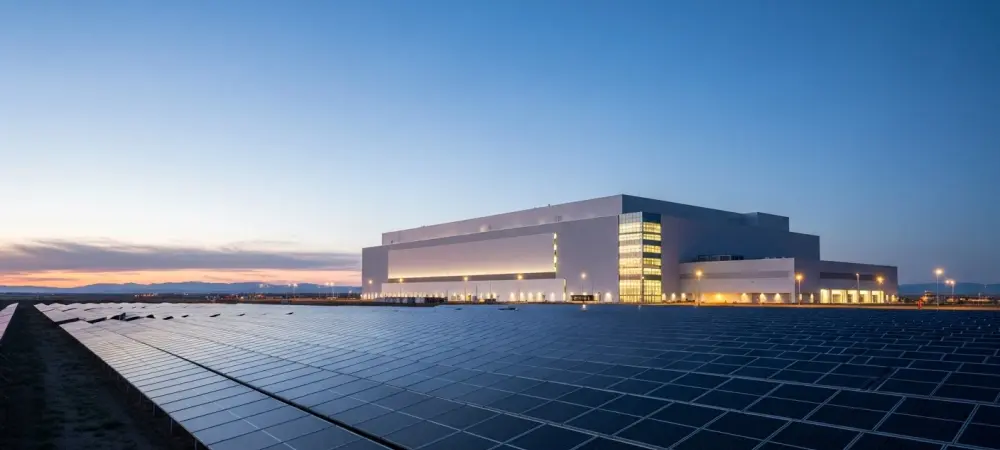
In the quiet plains of Weld County, a sprawling industrial relic is poised for a monumental rebirth, promising to transform a landscape once defined by film manufacturing into a nerve center for the artificial intelligence revolution. The company at the heart of this transformation, Global AI, has laid out a vision for a data center campus of staggering proportions just outside of Denver. This project is not merely an expansion but a statement of intent, signaling a new chapter in the relentless global race to build the physical backbone required for the next generation of AI. The blueprint outlines a potential 1-gigawatt facility, a scale that would place it among the largest data center developments in the world. Such a campus represents more than just servers and cooling systems; it is the essential infrastructure that will power complex machine learning models, cloud computing services, and the data-intensive applications that are increasingly shaping the modern economy. For Colorado, this development signifies a major step toward becoming a critical hub in the nation’s burgeoning AI ecosystem.
From Film Manufacturing to Data Processing: The Site’s Industrial Legacy
The foundation for this futuristic project rests on a site with a rich industrial past. In late November 2025, Global AI solidified its commitment by acquiring three parcels of land totaling 438 acres for $15.6 million. This property, located near the town of Windsor, is far from a blank slate; it carries the legacy of American manufacturing, originally developed in the late 1960s as a major production facility for Eastman Kodak. For decades, it was a cornerstone of the local economy, producing photographic film and paper.
More recently, the site was occupied by Carestream Health, a medical imaging company that continued the property’s story of technological innovation. However, with the closure of the Carestream facility in 2024, the site faced an uncertain future. Global AI’s acquisition marks a decisive pivot, repurposing the grounds from the chemical processes of the analog age to the immense computational demands of the digital one. This transition mirrors a broader economic shift, where old industrial footprints are being reimagined to support the infrastructure of the 21st century.
The Vision: A Phased Rollout to a Gigawatt Future
Global AI’s plan for the Colorado site is characterized by its methodical yet highly ambitious multi-stage development. Rather than attempting a single, colossal build-out, the company intends to scale its operations incrementally, allowing for adjustments in technology and market demand. This phased approach, detailed by Weld County officials, provides a clear roadmap from a modest beginning to an extraordinary end goal.
The project’s scale is truly immense, with long-term investment estimates reflecting the enormous capital required for such an undertaking. The vision extends far beyond the initial structures, encompassing a campus designed to grow and evolve with the AI industry itself. This strategic rollout underscores the company’s long-term commitment while managing the inherent risks associated with a project of this magnitude.
Initial Launch
The first concrete step in this grand vision involves revitalizing one of the two large buildings already on the property. According to David Eisenbraun, Weld County’s planning director, Global AI is moving with an aggressive timeline to gut the existing structure and convert it into a modern, high-capacity data center. This initial phase is projected to deliver between 18 and 24 megawatts (MW) of power.
With a target completion date set for the end of this year, this launch will establish Global AI’s operational presence in Colorado swiftly. This first data hall will serve as the cornerstone of the campus, proving the site’s viability and setting the stage for the more extensive expansions that are planned to follow.
Mid-Term Expansion
Shortly after the initial facility becomes operational, Global AI reportedly plans to escalate its capacity significantly. The mid-term goal is to bring the campus’s total power to between 50 and 60MW. This second stage represents a substantial increase in computational power and will likely involve the construction of new buildings on the vast 438-acre property.
This expansion phase is critical, as it bridges the gap between the initial proof-of-concept facility and the ultimate gigawatt ambition. It demonstrates a sustained investment trajectory and will begin to truly leverage the scale of the acquired land, transforming the site from a single data center into a burgeoning technology campus.
The Ultimate Goal
The final, and most formidable, stage of the plan is the long-term vision for a 1-gigawatt (1GW) data center campus. Reaching 1,000MW of capacity is a monumental undertaking that would require an investment estimated to be anywhere from $2 billion to an astounding $20 billion, depending on the specific technologies and infrastructure deployed.
Achieving this gigawatt goal would make the Weld County campus a global landmark in AI infrastructure. Such a facility could support an unprecedented level of computational activity, catering to the needs of the world’s largest technology companies and AI research initiatives. It is an ambition that speaks to the exponential growth projected for the AI industry and Global AI’s aim to be a key player in enabling that future.
Tackling the Gigawatt Power Puzzle
The primary obstacle standing between Global AI’s vision and its realization is the colossal power requirement. A 1GW data center consumes an amount of electricity comparable to a major city, and securing that level of power is the project’s most significant challenge. The existing grid in the heavily industrialized area, served by utilities like Poudre Valley Rural Electric Association and Xcel Energy, is robust but insufficient for the campus’s ultimate needs.
To overcome this, the project will necessitate massive upgrades to the local power infrastructure, potentially including new transmission lines and substations. Furthermore, county officials have noted that Global AI is actively exploring “on-site technologies” to generate its own power. This could involve natural gas turbines, solar arrays, or other emerging energy solutions to supplement the grid, ensuring the reliability and capacity needed to fuel its gigawatt dream.
The Company Behind the Plan: Global AI’s Pedigree and Portfolio
While the Colorado plan is its most ambitious to date, Global AI is not a newcomer to the data center industry. The company operates with a strategic partnership with Humain, a prominent Saudi AI firm, giving it a global perspective and significant backing. Its leadership team possesses deep roots in the American tech industry, lending the project considerable credibility.
Global AI’s existing portfolio includes a 32MW facility in Endicott, New York, located on a site formerly owned by IBM. The company claims this data center is home to the state’s largest cluster of cutting-edge Nvidia GB300 processors, showcasing its focus on high-performance computing for AI. The leadership’s experience is notable, with co-founder John E. Kelly III having been a central figure behind IBM’s Watson AI platform and CEO Sami Issa having a history of successful ventures involving tech giants IBM and AMD.
Reflection and Broader Impacts
The proposal for the Weld County data center campus encapsulates both immense promise and significant hurdles. Its potential strengths are clear, but the path to a gigawatt future is fraught with complexities that extend beyond construction and finance.
Reflection
On one hand, the project’s strengths are compelling. It is led by a team with a proven track record in technology and backed by a strategic international partnership. The choice of a large, pre-existing industrial site in a region with robust utility access provides a solid foundation. However, the challenges are equally formidable. Securing a gigawatt of power is a monumental task that will require intricate coordination with utility providers and regulators. Moreover, a notable contrast exists between the detailed plans shared by local officials and the more cautious, non-committal statements from a company spokesperson, who stressed that no final decisions on expansion have been made.
Broader Impact
Beyond the specifics of this single project, Global AI’s plan reflects two powerful trends shaping the modern economy. First, it exemplifies the massive infrastructure build-out currently underway to support the explosive growth of artificial intelligence. The demand for computational power is creating a global race to build larger and more efficient data centers. Second, the project highlights the adaptive reuse of legacy industrial sites. As manufacturing and industry evolve, vast properties like the former Kodak facility are finding new life as hubs for the digital economy, ensuring their continued relevance and contribution to local communities.
Colorado’s Potential AI Powerhouse and What Lies Ahead
Global AI’s vision for Weld County stands as a testament to the soaring ambitions of the artificial intelligence industry. The plan to transform a historic industrial site into a 1-gigawatt data center campus is a bold move that, if successful, will establish Colorado as a critical node in the world’s AI infrastructure. The project promises not only to repurpose a legacy site for the digital age but also to bring substantial investment and technological advancement to the region.
As the initial phase moves toward its target completion by the end of the year, the world will be watching. The journey from an 18MW launch to a 1,000MW powerhouse is long and filled with challenges, chief among them the immense power puzzle. Balancing the detailed, optimistic projections from local authorities with the company’s officially reserved stance creates a narrative of cautious ambition. What lies ahead is the complex work of turning this monumental blueprint into a physical reality, a process that could redefine the technological landscape of the American West.