

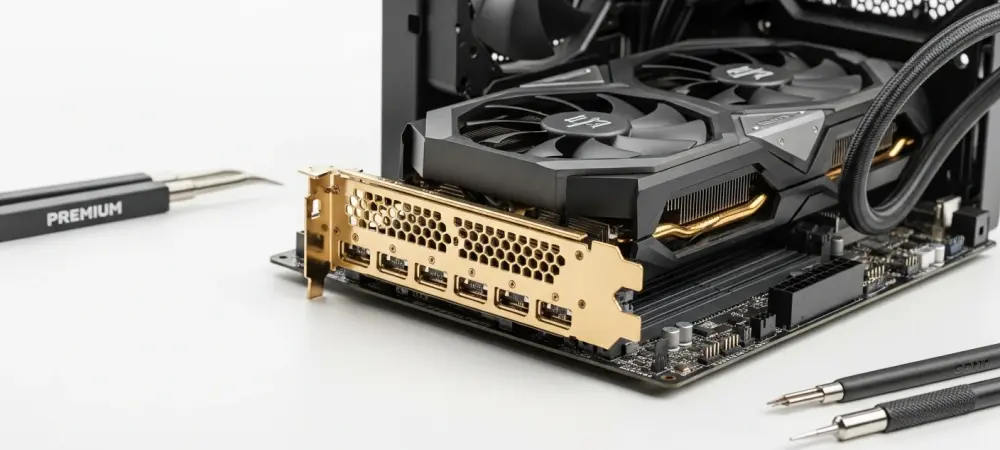
The landscape of high-end gaming hardware has undergone a remarkable transformation recently as competitive pressures finally begin to erode the steep premiums that once defined the current GPU generation. While many enthusiasts had braced themselves for a prolonged period of high costs, the sudden price drop of the Gigabyte Radeon RX 9070 XT Gaming OC on Amazon signals a potential turning point toward more accessible elite performance. This price adjustment is not merely a seasonal discount but a strategic positioning that challenges the established pricing structures of its direct competitors.
The objective of this exploration is to address the factors contributing to this market shift and evaluate how this specific model compares to its peers. Readers can expect to learn about the technical advantages of the RDNA 4 architecture and why this price correction matters for the broader gaming ecosystem. By examining the hardware specifics and market context, it becomes clear how consumer expectations are being reshaped in real time.
Key Questions or Key Topics Section
Why Is the Current Price Drop for This Specific Model Considered a Market Landmark?
The graphics card market has struggled with pricing volatility for several cycles, often leaving consumers to choose between overpriced flagship models and underpowered entry-level alternatives. Most listings for the RDNA 4 series have remained stubbornly above the seven-hundred-dollar threshold, fueled by lingering effects of supply chain issues and high manufacturing costs for premium components.
However, the Gigabyte Radeon RX 9070 XT has defied this trend by falling to an impressive six hundred twenty-nine dollars on major retail platforms. This valuation is particularly striking because it places a factory-overclocked card with a premium triple-fan cooling system just twenty-nine dollars above the reference MSRP. This shift represents a rare opportunity for builders to secure a high-performance variant that usually commands a much higher premium over base models, signaling a departure from the inflated pricing of the past.
How Does the Radeon RX 9070 XT Maintain a Technical Edge Over Rival Cards?
In the hyper-competitive mid-range segment, technical specifications often dictate the long-term viability of a component, especially as modern titles demand increasing amounts of memory. The battle for supremacy between AMD and its rivals, specifically the RTX 5070 and 5070 Ti, has intensified as game engines become more sophisticated and resource-intensive for even the most capable systems. The Radeon RX 9070 XT distinguishes itself by offering sixteen gigabytes of VRAM, a crucial feature that provides a significant buffer for high-resolution textures. In contrast, many competing cards in this price bracket still offer lower memory capacities, which can lead to performance bottlenecks in 1440p gaming scenarios. Furthermore, the integration of FSR 4.1 and advanced frame generation technology ensures that this card maintains high frame rates and visual fidelity, making it a more future-proof investment for those who prioritize longevity in their hardware choices.
Summary or Recap
The current market dynamics favor the Radeon RX 9070 XT as a dominant force in the mid-range flagship category. By offering superior memory capacity and robust cooling at a price point that undercuts most competitors, Gigabyte provides a compelling argument for the RDNA 4 architecture. This price crash effectively bridges the gap between enthusiast-grade performance and consumer-level budgets.
Moreover, the card excels in maintaining thermal efficiency through its advanced triple-fan design, ensuring that performance remains stable during extended gaming sessions. The combination of hardware power and software enhancements creates a balanced ecosystem for modern gaming. This value proposition highlights the shifting priorities of manufacturers as they strive to offer more performance per dollar in an increasingly crowded market.
Conclusion or Final Thoughts
The decision to lower prices on such a high-demand model reflected a broader trend toward prioritizing market share over maximum margins. Consumers who took advantage of this pricing window secured a piece of technology that balanced raw power with financial sensibility. This situation encouraged a more critical evaluation of value, proving that high-end performance did not always require an exorbitant investment.
As the industry continues to evolve, the focus will likely shift toward optimizing these mid-range powerhouses for even more demanding software. Future builds will benefit from the precedents set by this price correction, pushing other manufacturers to reconsider their own retail strategies. Ultimately, the success of the RX 9070 XT serves as a reminder that informed consumers can find exceptional deals when market competition reaches a boiling point.