

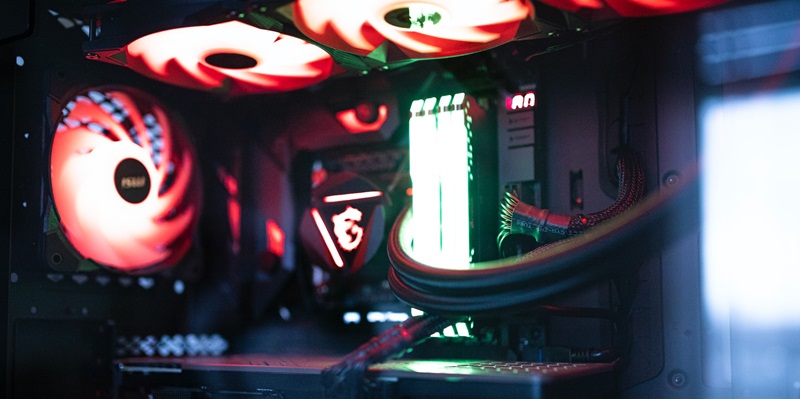
When it comes to graphics cards, the Gigabyte Radeon RX 7700 XT Gaming OC stands out as the best version of a card that is difficult to recommend in general due to its pricing. However, this particular iteration from Gigabyte goes a long way in addressing the primary concern with the AMD Radeon RX 7700 XT – its price.
Pricing and competitiveness
Let’s talk about the pricing first. The Gigabyte Radeon RX 7700 XT Gaming OC is available for $439.99 (approximately £360/AU$695), which is only $10 less than AMD’s official MSRP for the RX 7700 XT. While it may not seem like a significant saving, it certainly puts this card in a more competitive position against the Nvidia GeForce RTX 4060 Ti.
Design features
Moving on to the design, Gigabyte has equipped this card with a triple-fan cooling solution. This not only enhances the thermal performance, which was already decent on the RX 7700 XT, but also ensures more stable and efficient operation even during demanding gaming sessions. The overall design is sleek and understated, with the only noticeable RGB lighting being the Gigabyte logo along the top edge. This simplicity appeals to users who prefer a more minimalist aesthetic, but options for customization are always appreciated.
Performance Comparison
Let’s delve into the performance aspect of the Gigabyte Radeon RX 7700 XT Gaming OC. You can refer to the individual benchmarks in my RX 7700 XT review for detailed analysis. In general, this card delivers slightly better performance than the XFX Speedster QICK319 RX 7700 XT Black card. While the difference may only translate to a few frames per second depending on the game, considering the lower price of the Gigabyte card, it offers an impressive value proposition. Getting extra FPS for a relatively lower cost is a fantastic deal, regardless of how you look at it.
Cost-effectiveness
Taking all factors into account, the Gigabyte Radeon RX 7700 XT Gaming OC makes a strong case for the RX 7700 XT, especially for those on a tight budget. Although my original criticism regarding the close price proximity between the RX 7700 XT and the AMD RX 7800 XT still holds, Gigabyte’s offering is more enticing due to its enhanced performance and better price. It provides a more affordable alternative for gamers who cannot stretch their budget to accommodate the higher-end RX 7800 XT.
Ultimately, the Gigabyte Radeon RX 7700 XT Gaming OC emerges as a cost-effective solution for gamers seeking a powerful graphics card while remaining mindful of their financial limitations. With its improved performance, solid thermal management, and competitive pricing, it presents a viable option within the RX 7700 XT range. While the RX 7800 XT might offer the absolute best performance in the 1440p segment, the Gigabyte variant is a compelling alternative that strikes a satisfying balance between stellar capabilities and affordability.