

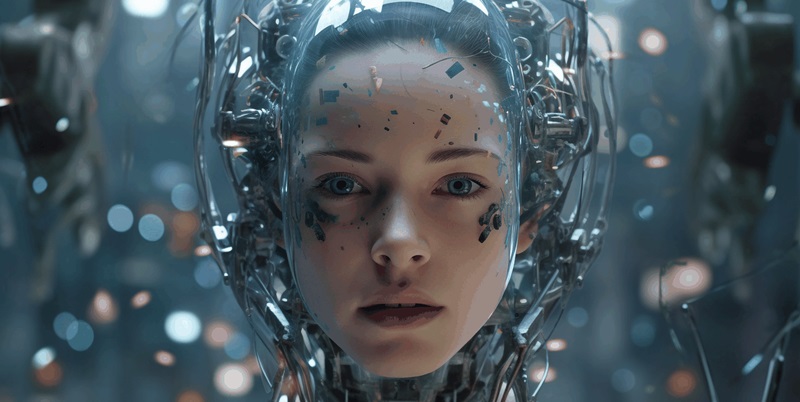
With the rapid advancements in technology, generative AI is emerging as a revolutionary force in transforming how teams collaborate and interact with technology. This article explores the potential of generative AI to revolutionize collaboration, highlighting its impact on teamwork and technological advancements in various industries.
The Psychology of the New Diversity in Teams
As generative AI becomes an integral part of collaboration, it brings forth a new era of diversity, encompassing not only human team members but also non-human entities. Technology leaders must be mindful of the psychological dynamics that arise in such diverse teams and understand the unique challenges and opportunities that emerge.
Integration of Generative AI and Human Input in Organizations
By integrating generative AI with human input, organizations can unlock the power of personalized and authentic experiences across various domains. This integration enables teams to create tailored solutions while simultaneously preserving cultural diversity and individuality. Such collaboration fosters a harmonious blend of human creativity and AI-based problem solving.
Implications of Generative AI in Social Media Platforms
The integration of generative AI into social media platforms has profound implications for technology innovation leaders. On one hand, it offers opportunities for enhanced user experiences, improved ad targeting, and data-driven strategies. However, the prevalence of AI-generated content also raises concerns about the spread of fake information and the erosion of trust in social media platforms and digital interactions.
Understanding the Implications of Generative AI on Social Media
To fully comprehend the implications of generative AI on social media, it is crucial to delve deeper into the opportunities it offers. Enhanced user experiences, facilitated by AI-generated content, can provide users with more relevant and engaging interactions online. Simultaneously, data-driven strategies can empower organizations to make informed decisions and effectively target their audience.
Arrival of AI Natives and Their Impact
The rise of AI natives, a generation growing up with AI, is imminent but comes with uncertainty regarding its starting point. These individuals will possess a natural affinity for and adeptness with AI, reshaping communication, work preferences, socialization, entertainment, and their overall relationship with technology. Their entry into the workforce will bring new expectations and dynamics, much like the transformative impact of digital natives in previous years.
Expectations and Changes Brought by AI Natives
AI natives will inevitably bring new expectations and perspectives to the workforce. Their familiarity with AI technologies will lead to novel approaches to problem-solving, communication, and collaboration. Organizations must prepare to adapt to their unique work preferences and harness their potential as valuable contributors.
Managing the Risks of AI-Generated Works of Art and Design
As generative AI advances, technology leaders must work closely with legal and regulatory teams to navigate the risks associated with AI-generated works of art and graphic design. Ensuring ethical practices, copyright compliance, and quality control are crucial to mitigate potential legal and reputational risks.
Generative AI is poised to revolutionize collaboration, transforming how teams work together and interact with technology. Embracing and understanding the potential of generative AI opens up new opportunities for enhanced user experiences, improved ad targeting, and data-driven strategies. However, the integration of generative AI necessitates a careful balance between innovation and safeguarding against the spread of fake information and erosion of trust. As AI natives approach the workforce, organizations must adapt to their expectations and leverage their unique skills. Collaboration between technology and legal/regulatory teams is essential to manage the risks associated with AI-generated works of art and design. By navigating these opportunities and challenges, we can embrace the transformative potential of generative AI in collaboration and pave the way for a future of innovation and creativity.