

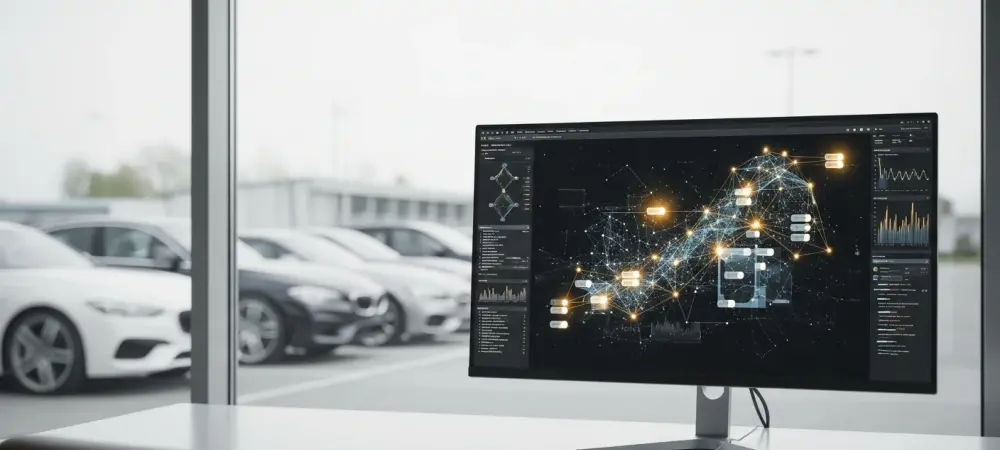
The traditional path of scrolling through endless static car listings is rapidly vanishing as generative AI becomes the primary interface for modern vehicle discovery. This technology represents a fundamental shift in the automotive retail sector, moving beyond simple automation toward a sophisticated discovery engine that mirrors human reasoning. As dealerships adapt to this new reality, AI has transitioned from a peripheral tool to the definitive “front door” for consumer engagement. It effectively bridges the gap between complex, disparate vehicle inventory data and the nuanced research intent of the modern shopper.
The Transformation of Automotive Discovery and Retail
Generative AI operates on the core principle of synthesis, pulling together technical specifications, pricing data, and consumer reviews into a coherent narrative. This capability has transformed the vehicle discovery process from a series of disjointed clicks into a fluid conversation. Consumers no longer need to be experts in trim levels or engine types to find what they need; instead, they interact with models that understand context and intent.
The rapid emergence of these systems has fundamentally altered how dealerships perceive their digital presence. In a landscape where the initial research phase often happens away from a dealer’s own website, AI acts as a sophisticated filter that organizes the vast technological landscape. It translates the consumer’s vague desires into actionable data points, ensuring that when a shopper finally reaches a dealership, they are significantly further along in the buying journey than in previous years.
Core Components of AI-Driven Dealership Ecosystems
Generative Search and Referral Engines
Conversational AI models now serve as the primary drivers of high-intent traffic to dealership websites. These engines act as sophisticated referral machines that do more than just provide a list of links; they offer personalized advice based on real-time data. While OpenAI’s ChatGPT maintains a dominant market share of nearly 90%, competitors like Google’s Gemini are showing explosive monthly growth rates of 50%, illustrating a diversifying ecosystem of information sources.
The function of these models in the research phase is critical for capturing shoppers early. By answering complex questions about vehicle reliability, safety ratings, and lifestyle compatibility, these AI platforms generate referrals that are far more likely to convert than traditional search engine results. This shift forces dealerships to ensure their data is “AI-ready,” meaning it must be structured in a way that these large language models can easily ingest and recommend.
Real-Time Inventory Integration Systems
The technical synergy between live vehicle supply data and AI platforms is what prevents the system from becoming a mere chatbot. Dynamic inventory management ensures that every automated interaction is grounded in the reality of what is currently on the lot. When a consumer asks about a specific configuration, the AI checks the live feed to provide accurate availability, pricing, and location information.
This integration is essential for maintaining consumer trust in an automated environment. In-depth data synchronization allows the AI to manage complex interactions, such as comparing a specific used vehicle’s history with a new model’s lease incentives. By removing the lag between a car being sold and its removal from the digital ecosystem, these systems mitigate the technical hurdles that previously led to consumer frustration and lost sales opportunities.
Emerging Trends and Market Dynamics
The automotive market is currently witnessing a staggering 15-fold growth in AI-driven referrals, signaling a massive change in consumer behavior. This explosion has led to a shifting competitive landscape where platforms like Claude, Perplexity, and Grok are beginning to peel away users from traditional search. Dealerships that have ignored these platforms are finding themselves invisible to a significant portion of the tech-savvy car-buying population.
In response to these shifts, major manufacturers have begun to diversify their marketing strategies. Brands like Toyota and Daimler have scaled their digital budgets significantly to ensure their inventory is prioritized within these AI ecosystems. This represents a move away from simple keyword bidding toward a more holistic strategy of data dominance, where the goal is to be the most “readable” and “recommendable” brand for the AI engines.
Real-World Applications in Modern Showrooms
Modern showrooms are increasingly utilizing AI-powered concierge services to handle the initial heavy lifting of feature comparisons and financing discussions. For example, Stellantis has successfully utilized these tools to capture market share during periods of fluctuating supply. These digital concierges can guide a shopper through the intricacies of electric vehicle range versus traditional internal combustion engines, providing a level of detail that would take a human salesperson hours to compile.
These implementations demonstrate that AI is not just a search tool but a functional part of the sales team. By providing immediate, accurate answers to financing questions and trim comparisons, the technology keeps the consumer engaged within the brand’s ecosystem. This reduces the likelihood of the shopper bouncing to a competitor’s site, effectively shortening the sales cycle and increasing the efficiency of the physical showroom staff.
Navigating Market Challenges and Margin Pressures
Despite the technological advancements, the industry faces significant challenges as new vehicle inventory recovers. With the “days supply” of vehicles increasing by over 17% in recent months, the market leverage is gradually shifting back toward the consumer. This trend creates intense margin compression, as dealers can no longer rely on scarcity to drive profits. The challenge for AI is to provide value that justifies pricing in a more competitive environment.
Furthermore, there are ongoing development efforts to mitigate technical hurdles related to data accuracy and the regulatory risks of automated sales advice. Ensuring that an AI does not make unauthorized promises regarding financing or vehicle performance is a top priority for developers. As the technology matures, balancing the efficiency of automation with the legal requirements of automotive retail remains a complex and evolving task for dealership groups.
The Future of AI-First Automotive Commerce
The trajectory of this technology points toward a transition into fully autonomous retail journeys. In the near future, AI will likely manage the entire transaction lifecycle, from initial discovery to the digital signing of the contract. This evolution will include hyper-personalized marketing that adjusts in real-time based on the shopper’s financial profile and the dealer’s specific inventory needs, creating a bespoke buying experience for every individual. The long-term impact on the traditional dealership franchise model will be profound. As AI takes over more of the transactional and informational duties, the role of the physical dealership will shift toward brand experience and service rather than just being a point of sale. This transformation will require a complete rethinking of dealership staffing and physical layouts to accommodate a consumer who has already completed 90% of their journey through an AI interface.
Comprehensive Assessment of Generative AI in Retail
The shift from traditional search to AI-driven discovery represented a definitive turning point for the global automotive marketplace. This transition proved that the ability to synthesize data into conversational advice was the most effective way to maintain dealership profitability during periods of market volatility. The integration of real-time inventory with sophisticated language models allowed retailers to meet the heightened expectations of modern buyers who demanded immediate and accurate information.
The adoption of these technologies was not merely a trend but a necessary evolution in response to changing consumer discovery patterns. Dealerships that moved early to align their digital marketing with AI behaviors established a significant competitive advantage. This era of automotive retail was defined by the realization that data accuracy and automated engagement were the primary pillars of success in a tech-driven economy. Overall, the technology succeeded in creating a more transparent and efficient marketplace for both the buyer and the seller.