

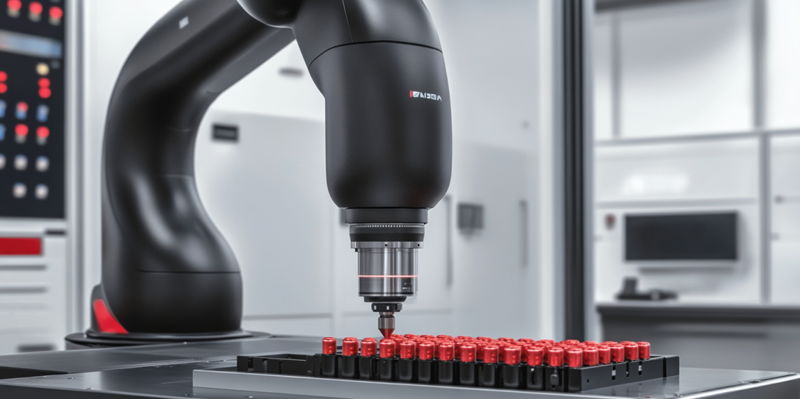
In the rapidly evolving field of robotics and manufacturing, the synergy between GelSight, a pioneer in tactile intelligence solutions, and Flexxbotics, known for their expertise in digital robotic manufacturing solutions, marks a significant leap towards advanced quality control. This collaboration aims to revolutionize non-destructive testing (NDT) in various industries by integrating cutting-edge tactile sensors into robotic systems, providing unparalleled precision and efficiency.
The Power of Tactile Sensing Technology
Superior 3D Imaging and Surface Characterization
GelSight’s tactile sensing technology stands out due to its unique 3D imaging capabilities. These sensors provide detailed surface characterization by capturing micron-level features. The sensors can identify and map defects with high precision, making them invaluable for industries that demand stringent quality controls such as aerospace, defense, automotive manufacturing, and medical devices. The sensitivity of GelSight’s tactile sensing allows it to capture minute imperfections, making it particularly useful for applications where even the smallest defect can compromise the integrity of the product.
Furthermore, the tactile sensors can perform real-time measurements during the production process. This capability allows for immediate detection and correction of defects, thereby reducing wastage and improving overall production quality. Real-time inspections mean that manufacturers can address issues on the fly, which not only saves time but also ensures that products meet the required standards before they proceed to subsequent stages of production. This integrated approach transforms how quality control is managed, embedding it as an intrinsic component of the manufacturing workflow.
Real-time Data Integration and Autonomous Control
The integration of GelSight’s sensors into Flexxbotics’ robotic systems enables real-time data analysis and autonomous control. By leveraging advanced algorithms and machine learning, the system can adapt to the production environment and continually optimize the inspection process. This dynamic adjustment ensures consistent application and integration of quality control measures throughout the production line. The intelligent system can learn from previous inspections, improving its accuracy and efficiency over time, which adds another layer of reliability to the production process.
Moreover, the real-time data capture facilitates immediate alerts and corrective actions. Automated notifications via text or email ensure that relevant personnel are promptly informed of any non-conformance issues, thus minimizing downtime and maintaining production flow. The real-time feedback loop creates a more agile manufacturing environment where potential defects can be addressed before they escalate into larger problems, thereby maintaining a high level of quality assurance throughout the manufacturing cycle.
Advancements in Quality Control Automation
Reducing Inspection Time and Cost
One of the notable benefits of this collaboration is the significant reduction in inspection time. Traditional lab-based inspections can be time-consuming and costly. By integrating tactile sensors and robotic systems directly into the production line, the joint solution reduces inspection time by over 40%. This efficiency gain translates into cost savings and allows resources to be allocated to other critical operations. Automated inspections not only quicken the pace but also ensure that each product is scrutinized under identical conditions, thereby maintaining a consistent quality level.
Furthermore, the automation of the inspection process reduces the dependency on manual checks, thereby minimizing human error. The robotic systems ensure consistent and accurate inspections, maintaining high standards of quality control without relying on human intervention. This shift towards automation mitigates risks associated with human variability, leading to more reliable and reproducible results. As a result, manufacturers can achieve higher throughput without compromising on the quality of the products being produced.
Compatibility with Existing Systems
Flexxbotics and GelSight have ensured that their joint solution is compatible with existing industrial systems. This includes seamless integration with IIoT (Industrial Internet of Things), MES (Manufacturing Execution Systems), CAD/PLM (Computer-Aided Design/Product Lifecycle Management), and QMS (Quality Management Systems). This compatibility allows for smooth communication and coordination within the production environment, ensuring that quality control measures are embedded throughout the manufacturing process. The integration capability helps in creating a unified production ecosystem where all components work in harmony to achieve optimal results.
The ability to integrate with existing systems also means that manufacturers can adopt this advanced solution without the need for extensive re-engineering of their current processes. This ease of implementation makes it an attractive option for companies looking to enhance their quality control capabilities. The plug-and-play nature of the solution ensures that manufacturers can quickly reap the benefits of advanced tactile sensing without facing significant downtime or disruption in their production activities.
Real-world Applications and Benefits
High Precision Industries
Industries with demanding precision requirements stand to benefit the most from this advancement. The aerospace and defense sectors, known for their stringent quality standards, can leverage this technology to ensure that every component meets exact specifications. Similarly, the automotive industry can use tactile sensing technology to enhance the production of critical parts, ensuring safety and reliability. By incorporating GelSight’s tactile sensors, manufacturers in these sectors can achieve unprecedented levels of precision in their quality control processes, thereby enhancing the overall safety and robustness of their products.
In the medical device industry, where precision and reliability are paramount, the joint solution offers an invaluable tool for ensuring that every device adheres to strict quality standards. The ability to detect and rectify defects in real-time enhances overall product reliability and safety. This is particularly essential in medical applications where any defect, no matter how minor, can have significant implications. The integration of tactile sensing technology ensures that medical devices are manufactured to the highest level of precision, thereby safeguarding patient safety.
Flexible and Scalable Solutions
In the rapidly advancing fields of robotics and manufacturing, the partnership between GelSight, a leader in tactile intelligence solutions, and Flexxbotics, experts in digital robotic manufacturing solutions, represents a substantial breakthrough in quality control. This collaboration focuses on revolutionizing non-destructive testing (NDT) across various industries by integrating state-of-the-art tactile sensors into robotic systems. These advanced tactile sensors, developed by GelSight, offer unprecedented levels of precision and efficiency, significantly enhancing the capabilities of robotic systems.
By leveraging GelSight’s tactile intelligence and Flexxbotics’ expertise in robotic manufacturing, the new integrated systems enable more accurate inspections and assessments without causing any damage to the products being tested. This is particularly crucial in industries where maintaining the integrity of the product is paramount, such as aerospace, automotive, and electronics. The seamless incorporation of these tactile sensors into robotic systems streamlines the quality control process, making it more effective and reliable, while also reducing the time and costs associated with traditional testing methods.