

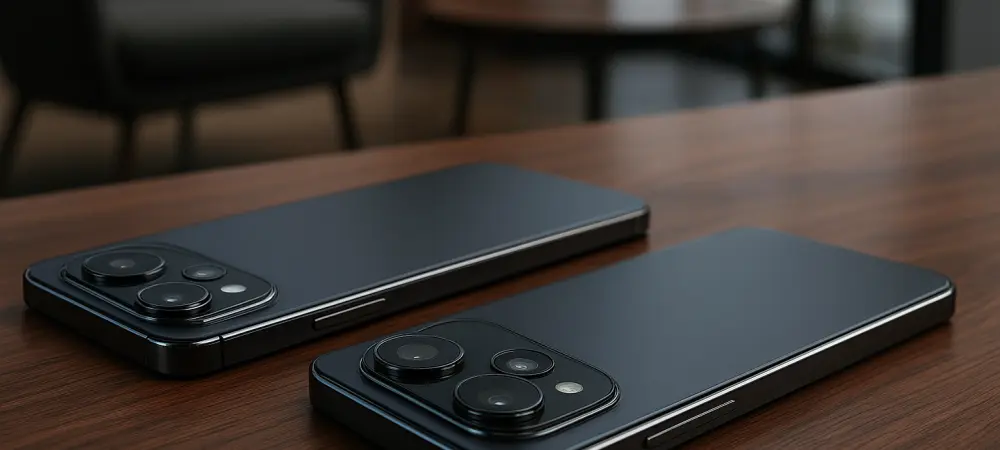
The perpetual pursuit of the perfect digital image has forced smartphone manufacturers to choose between adding more hardware or refining the intelligence behind the glass. In the current landscape of 2026, the Galaxy S26 Ultra stands as a testament to peak versatility, yet the emerging details of the Galaxy S27 Ultra suggest a bold pivot in design philosophy. This transition focuses less on the sheer quantity of lenses and more on the sophistication of the final output, moving the brand toward tonal accuracy and professional-grade rendering.
Evolution of the Samsung Galaxy Ultra Series
Samsung has established the Ultra line as the definitive benchmark for premium smartphones, specifically for users engaged in professional mobile photography. The Galaxy S26 Ultra maintained a dominant position by offering a quad-camera system designed for every conceivable scenario. However, the trajectory for the upcoming Galaxy S27 Ultra indicates a move away from this hardware-heavy tradition, prioritizing surgical precision over sensor saturation.
This strategic shift addresses the inconsistency often found in high sensor counts where processing varied between lenses. By narrowing the hardware focus, Samsung aims to deliver a more cohesive imaging experience across the board. The goal is to move the product line from a collection of high-tech parts to a unified tool for visual storytelling, reflecting a market trend where pixel quality is valued over camera quantity.
Technical Specifications and Hardware Performance
Camera Configuration and Sensor Evolution
The most significant physical change is the rumored transition from the Galaxy S26 Ultra’s quad-camera setup to a streamlined triple-camera system. Reports from leaker Ice Universe suggest the S27 Ultra will feature a 200MP main sensor with OIS, a 50MP ultrawide lens, and a 50MP 5x telephoto lens. This reduction allows for larger physical dimensions for the remaining sensors, which drastically improves light gathering.
While the S26 Ultra relied on two separate telephoto lenses to bridge the zoom gap, the S27 Ultra utilizes its high-resolution main sensor and advanced algorithms to maintain clarity. This simplification reduces the weight of the camera island while improving internal architecture. The technical trade-off is a bet that three exceptional sensors can outperform four mediocre ones in professional environments.
Image Processing and Color Science Philosophy
A visible shift is occurring in Samsung’s color science, moving from the “cool” look of the S26 Ultra toward a warmer, more natural aesthetic in the S27 Ultra. This change produces skin tones that appear more lifelike and less digitally processed. Highlight management has also seen a major overhaul, with the newer device better handling high-intensity light sources that previously suffered from clipping or overexposure.
Noise reduction algorithms now tackle shadow grain without sacrificing fine detail, a common struggle for the S26 Ultra in low-light conditions. In dark environments, the S27 Ultra retains deeper color depth, ensuring that night shots do not look muddy or artificially brightened. This focus on texture allows the device to mimic the behavior of professional dedicated cameras.
Video Capabilities and Software Pipeline
The S27 Ultra introduces updated versions of the Samsung Log and the APV codec, offering greater flexibility for color grading in post-production. Although frame rates remain capped at 4K at 120fps and 8K at 30fps, the underlying data processing is significantly improved. These enhancements allow for a wider dynamic range, ensuring that both highlights and shadows contain usable information for editors.
In contrast, the S26 Ultra used aggressive internal sharpening that could look digital when viewed on large monitors. The S27 Ultra renders motion more smoothly and with fewer artifacts during high-action sequences. This evolution ensures that even with similar physical telephoto hardware, the resulting video files are much more robust for professional use.
Practical Considerations and Implementation Challenges
Moving to a triple-camera array risks sacrificing the extreme focal length versatility that S26 Ultra users have come to love. Removing a dedicated lens means the software must work twice as hard to fill the gaps, which can lead to artificial textures if not managed perfectly. Balancing the signature Samsung sharpness with a natural look is a delicate task that may alienate some long-time fans.
Leaked CAD models show the physical layout is being adjusted to accommodate these larger optics within the frame. These design constraints mean the S27 Ultra may have a more pronounced camera bump despite having fewer lenses. The challenge for Samsung lies in proving that a triple-camera system is a true upgrade rather than a compromise in a market that equates quantity with quality.
Strategic Summary and Buying Recommendations
The decision between the Galaxy S26 Ultra and the S27 Ultra ultimately rested on the user’s preference for hardware variety versus tonal maturity. While the S26 Ultra remained a powerful choice for those who valued focal flexibility and vibrant colors, the S27 Ultra offered a more sophisticated approach to imagery. The newer model addressed long-standing issues with highlight clipping and shadow noise, making it the preferred tool for professional creators. As the industry moved from 2026 to 2028, the focus on computational accuracy over sensor count proved to be the more sustainable path for flagships. The S27 Ultra successfully bridged the gap between a smartphone and a professional camera by prioritizing refined light management. Choosing the right device required an understanding of whether one prioritized lens count or the refined fidelity of a simplified system.