

The relentless march of smartphone innovation ensures that today’s cutting-edge technology quickly becomes tomorrow’s standard, a cycle perfectly embodied by Samsung’s flagship Galaxy S series. As the market continues to praise the Samsung Galaxy S25 Ultra as the current pinnacle of mobile engineering, a new challenger is already taking shape in the form of its successor. Based on a stream of credible leaks and expert analysis, the Samsung Galaxy S26 Ultra is poised to redefine flagship expectations, creating a compelling decision for tech enthusiasts and everyday users alike. This forward-looking comparison pits the established excellence of a market leader against the anticipated evolution of its replacement.
The Galaxy S25 Ultra stands as Samsung’s technological benchmark, but the impending Galaxy S26 Ultra signals the company’s future direction, driven by rumored upgrades that touch every aspect of the device. Central to this evolution is the anticipated Qualcomm Snapdragon 8 Elite Gen 5, the next-generation processor expected to power the new handset. Furthermore, design cues reportedly borrowed from the Samsung Galaxy Z Fold 7 suggest a significant aesthetic shift is on the horizon, moving Samsung’s design language in a new and exciting direction.
Core Differences: A Spec-by-Spec Breakdown
Design and Display: A New Look and Brighter View
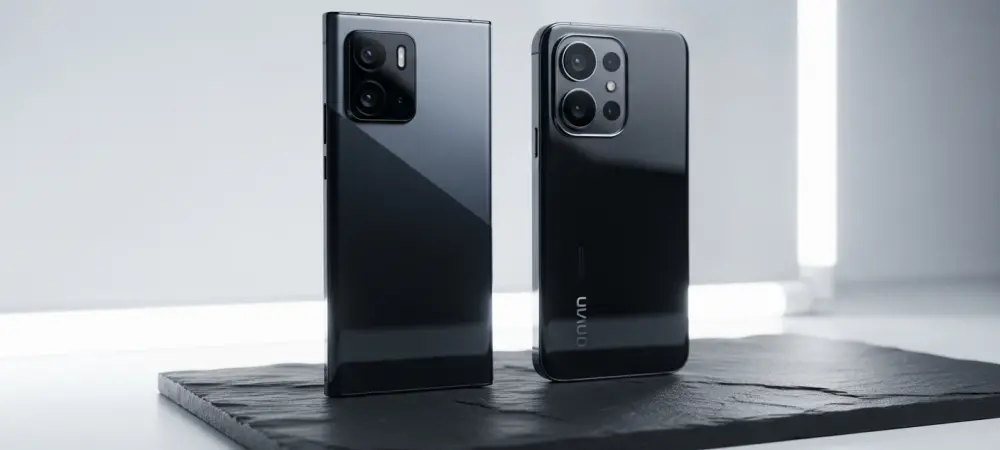
The Galaxy S26 Ultra is expected to break from its predecessor’s design language with a significant visual refresh. Leaked renders point to a new vertical camera island that neatly houses three of its primary sensors, a stylistic choice seemingly inspired by the sleek profile of the Galaxy Z Fold 7. This change, coupled with more rounded corners, contrasts sharply with the established, angular design of the S25 Ultra, signaling a potential shift toward a more refined and ergonomic feel.
Beyond the chassis, the display is also set for a notable enhancement. The Galaxy S26 Ultra is rumored to feature a stunning 6.9-inch QHD+ M14 CoE Dynamic AMOLED panel. While the size and resolution may feel familiar, its rumored peak brightness of 2,600 nits represents a tangible upgrade. This improvement promises a more vibrant and legible viewing experience, especially in direct sunlight, potentially setting a new standard that outshines the already brilliant screen of the S25 Ultra.
Performance and Battery: The Next Generation of Power
At the heart of the Galaxy S26 Ultra lies its most significant rumored upgrade: the unannounced Snapdragon 8 Elite Gen 5 chipset from Qualcomm. This next-generation processor is expected to deliver a substantial performance leap over the chipset found in the S25 Ultra, promising faster app load times, smoother multitasking, and more powerful AI capabilities. For users who demand the absolute peak of mobile performance, this upgrade alone could be the deciding factor.
While both flagships are expected to house a robust 5,000mAh battery, the S26 Ultra is rumored to introduce a critical quality-of-life improvement with upgraded 60W fast charging. This would be a notable step up from the charging speeds of its predecessor, significantly reducing downtime and ensuring the device is ready to go with minimal delay. This enhancement addresses a key area where rivals have often pulled ahead, making the S26 Ultra a more convenient daily companion.
Camera System: An Evolved Photographic Experience
Samsung appears to be reimagining its camera hardware with the Galaxy S26 Ultra, which is rumored to feature a redesigned quad-camera system led by a powerful 200-megapixel main sensor. The primary difference lies not just in the internal optics but in the external arrangement. The new vertical layout for three of the lenses, with the fourth sensor and laser autofocus unit placed separately, marks a departure from the S25 Ultra’s configuration.
This new camera configuration could have practical implications beyond aesthetics. The updated layout might alter the device’s ergonomics and balance in hand during photography sessions. Moreover, this physical redesign could accommodate new hardware or improved sensor technology, potentially offering a more advanced and versatile photographic experience compared to the already formidable camera system on the Galaxy S25 Ultra.
Real-World Considerations: Leaks, Pricing, and Availability
It is crucial to approach this comparison with the understanding that all information regarding the Galaxy S26 Ultra is speculative, based on pre-release leaks and renders from reliable sources like Evan Blass. While these details paint a comprehensive picture, specifications and designs are always subject to change before Samsung’s official launch, meaning final details may vary.
A key factor for potential buyers will be the anticipated price. Leaked European pricing suggests a potential increase, with the 256GB Galaxy S26 Ultra model rumored to start at EUR 1,469. This premium pricing structure will be a critical consideration for consumers weighing the benefits of upgrading from the S25 Ultra. With a rumored launch date of February 25, the S26 Ultra appears set to follow a predictable annual release cycle, giving prospective buyers a clear timeline to inform their purchase decision.
Final Verdict: Is the Upgrade Worth the Wait?
The analysis of current leaks indicates the Galaxy S26 Ultra is shaping up to be a significant and worthwhile evolution in Samsung’s flagship line. The primary upgrades focus on a refreshed design inspired by the Galaxy Z Fold 7, the raw power of the next-generation Snapdragon 8 Elite Gen 5 processor, a brighter and more vivid display, and the practical convenience of faster 60W charging.
For users who prioritize having the latest and most powerful mobile technology, waiting for the Galaxy S26 Ultra is a compelling option. The substantial performance gains from the new chipset, combined with a refined design and faster charging, offer tangible benefits that justify the anticipation. However, for more budget-conscious consumers who are satisfied with top-tier performance, the Galaxy S25 Ultra remains an excellent device and will likely become an even better value after its successor’s launch. Ultimately, the decision rests on whether the S26 Ultra’s evolutionary upgrades warrant its expected premium price.