

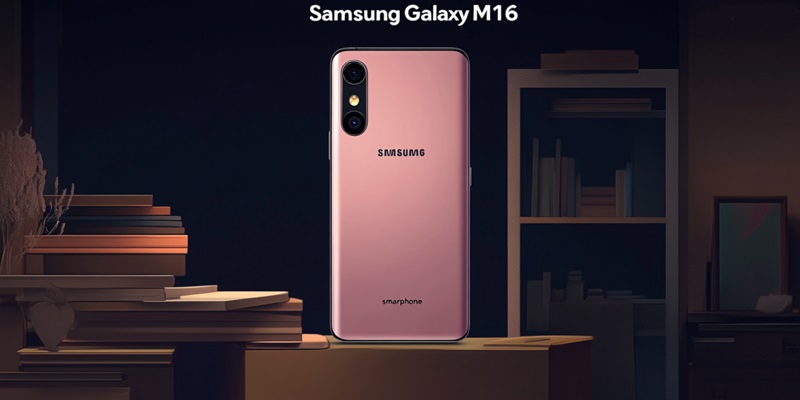
The Samsung Galaxy M16 has been generating significant buzz in the tech community after being spotted on Geekbench, hinting at its imminent release. Like its predecessors in the M-series, the Galaxy M16 is expected to feature specifications closely aligned with the already-announced Galaxy A16 5G. The Geekbench listing suggests that the Galaxy M16 (model SM-M166P) will come equipped with an octa-core MediaTek Dimensity 6300 processor, paired with 8GB of RAM, although it is likely that other RAM variants will also be available. Running on Android 14, the device raises questions about whether it will receive the same extended OS upgrades and security support as the A-series models.
Advanced Hardware Specifications
Processing Power and Memory Configuration
One of the standout aspects of the Samsung Galaxy M16 is its utilization of the octa-core MediaTek Dimensity 6300 processor, which promises to deliver efficient performance and better power management. This processor’s inclusion aligns with Samsung’s strategy to provide robust hardware within the mid-range segment. The device is spotted with 8GB of RAM on Geekbench, which would cater to multitasking needs and support gaming applications seamlessly. While the 8GB variant is confirmed, it leaves room for speculation about other potential memory configurations, which might broaden the device’s reach to different market segments looking for varying performance levels.
The decision to run the Galaxy M16 on Android 14 shows Samsung’s commitment to offering up-to-date software experiences. However, the longevity of software support remains uncertain. For the Galaxy A16, Samsung has assured six years of OS upgrades and security patches, a bold promise that significantly extends the device’s lifespan. Whether the Galaxy M16 will receive similar treatment is still unclear, thus keeping potential buyers curious. Ultimately, the combination of a powerful processor, substantial memory, and current Android version makes the Galaxy M16 a compelling choice for tech enthusiasts and general consumers alike.
Battery and Display Features
What truly sets the Samsung Galaxy M16 apart from its A-series sibling is its anticipated battery capacity. While the Galaxy A16 5G is equipped with a 5,000mAh battery, the Galaxy M16 is rumored to boast a larger 6,000mAh battery. This enhancement follows the pattern observed with previous models, such as the Galaxy M15 and Galaxy A15 5G, where the M-series version always featured a larger battery. This extra battery capacity is poised to be a significant selling point, particularly for users who prioritize extended battery life for their daily activities.
The display features of the Galaxy M16 are expected to mirror those of the A16 5G, including a 6.7-inch FHD+ AMOLED panel with a 90Hz refresh rate. This display offers users vibrant colors, deep blacks, and smooth scrolling experiences. Alongside the enhanced visual experience, the device will also feature a 13MP front camera, ideal for taking selfies or video conferencing, and a triple camera setup on the back. The rear cameras include a 50MP primary camera, a 5MP ultrawide lens for capturing wider angles, and a 2MP macro lens for close-up shots. This combination ensures that the M16 is well-equipped to handle a variety of photography needs.
Design and Additional Features
Build Quality and Durability
The Samsung Galaxy M16 is expected to maintain the design aesthetics of the M-series, featuring a plastic back and frame, which not only makes it lightweight but also cost-effective. This design choice aligns with Samsung’s aim to provide affordable yet feature-rich devices to a broader audience. Additionally, the device is expected to carry an IP54 rating for dust and water resistance, offering a degree of durability that can withstand everyday mishaps.
Another notable feature is the side-mounted fingerprint scanner, which provides an intuitive and secure way to unlock the device. This placement is preferred by many users over the more common rear-mounted scanners found in budget-friendly smartphones. The M16 also supports expandable storage, allowing users to easily increase their device storage as needed. This feature is particularly useful for those who store a lot of media or use multiple apps that require significant storage space.
Market Release and Potential Impact
The Samsung Galaxy M16 is creating a lot of excitement in the tech community after its appearance on Geekbench, signaling its upcoming release. Similar to previous models in the M-series, the Galaxy M16 is anticipated to have specifications closely matching those of the already-announced Galaxy A16 5G. According to the Geekbench listing, the Galaxy M16 (model SM-M166P) is expected to be powered by an octa-core MediaTek Dimensity 6300 processor and come with 8GB of RAM. It’s likely that other RAM configurations will also be available. Running on Android 14, this raises questions about whether it will receive the same extended OS updates and security patches as the A-series models. With Samsung’s commitment to software support, it’s possible the M16 may benefit from a similar update schedule, ensuring users have the latest features and security measures. As anticipation builds, tech enthusiasts are eager to see how the Galaxy M16 stacks up against its competitors in the mid-range smartphone market.