

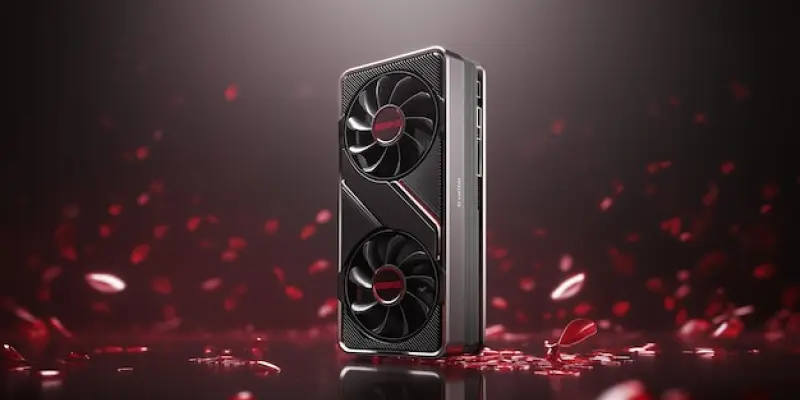
In a feat that has sent ripples through the enthusiast GPU community, the GALAX GeForce RTX 5090D HOF has crushed existing records, reaching clock speeds previously deemed unattainable. With its new overclocking capabilities, the 5090D HOF represents the pinnacle of performance, setting benchmarks that redefine what is possible in the world of GPUs. This exclusive GPU model, specifically crafted for the Chinese market, stands as a testament to GALAX’s dedication to technological innovation and domination in the overclocking arena.
Record-Breaking Achievements
Overclockers have achieved remarkable feats with the GALAX GeForce RTX 5090D HOF, pushing the GPU to unprecedented heights. A significant milestone was reached when overclockers managed to propel the 5090D HOF to an astounding clock speed of 3.27 GHz. This remarkable performance sets new world records, demonstrating the card’s potential in extremity. Notably, the 5090D HOF features 36 VRM phases, including 4 for VRAM and 4 for MSVDD, and requires dual 16-pin connectors, providing up to 1200W of power. Such specifications underscore the card’s design for overclocking supremacy.
These records were not achieved by happenstance but through the efforts of prominent overclockers like Micka from China and the Greek team “OGS.” Micka’s achievement of 17,169 points in the 3DMark Speed Way test speaks volumes about the card’s capabilities. Furthermore, the Greek team “OGS” set multiple records across various benchmarks, highlighting the versatility and strength of the 5090D HOF. For instance, OGS secured 59,072 points in the 3DMark Fire Strike Extreme and 25,040 points in the Unigine Superposition – 8K Optimized, underscoring the GPU’s excellence in different performance metrics.
Unparalleled Support for Overclocking
The GALAX HOF OC Lab has played a pivotal role in these accomplishments, creating a custom version of the 5090D HOF tailored explicitly for such high-stakes overclocking contests. This endeavor underscores GALAX’s commitment to pushing the boundaries of GPU capabilities. Tailored for the extreme requirements of overclocking competitions and not for retail, this custom 5090D HOF embodies the strategic collaboration between GALAX and the overclocking community. The lab’s concentrated effort to optimize every facet of the GPU has resulted in a product that meets the stringent demands of competitive overclocking.
The achievements promoted by GALAX highlight their dedication to not only producing high-performance hardware but also fostering the culture of overclocking. The community-driven approach assures that such innovations are not isolated incidents but a continuous evolution in GPU technology. This model, much like the revered EVGA Kingpin series, fulfills an essential niche for enthusiasts who seek to break limits and redefine performance standards. The overall success of the 5090D HOF is a testament to the potential that collaboration between manufacturers and the overclocking community holds.
Future Implications and Considerations
In an achievement that has captivated the enthusiast GPU community, the GALAX GeForce RTX 5090D HOF has obliterated existing records, achieving clock speeds that were once thought impossible. This groundbreaking accomplishment in overclocking showcases the 5090D HOF as the epitome of performance, setting new standards that significantly push the boundaries of what GPUs can achieve. This exclusive GPU model, meticulously designed for the Chinese market, highlights GALAX’s unwavering commitment to technological innovation and their leading role in the overclocking sphere. The 5090D HOF not only demonstrates the company’s prowess in hardware engineering but also its ability to set new performance benchmarks. With this release, GALAX has cemented its reputation as a pioneering force in the GPU industry, continually raising the bar for what enthusiasts can expect from high-end graphics cards. Enthusiasts and professionals alike are now looking to GALAX as a beacon of cutting-edge technology and exceptional performance capabilities.