

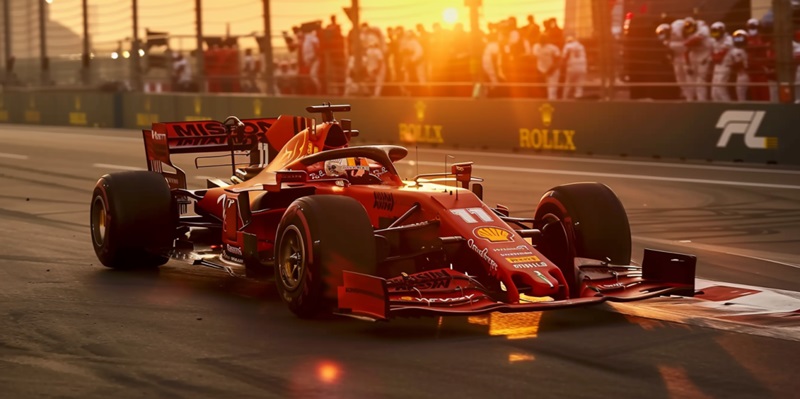
The world of Formula 1, a high-octane symphony of precision engineering and breakneck speed, now gears up for a transformative leap into the digital domain. This metamorphosis springs from its freshly inked partnership with Globant, a luminary in the realm of technology services. Pivotally positioned, the collaboration is geared to supercharge the fan experience and streamline the operational acumen of the sport. This venture signals the dawn of an unprecedented techno-sporting era, where innovation thrives at every twist and turn.
The Embrace of Digital Innovation in Formula 1
The Catalyst for Change
In a bold stride toward the digital avant-garde, Formula 1 cements its alliance with Globant, signifying a cardinal moment in its technological odyssey. The partnership heralds a rejuvenation that synchronizes with the sport’s ethos of ceaseless innovation. This fusion is set to spark a digital rebirth, reaching across the diverse spectrum of enthusiasts, racers, and the myriad cogs within the Formula 1 machinery. It’s a future aimed at enriching all touchpoints, fostering a deeper, more symbiotic relationship with the digital sphere.
Enhancing Fan Experiences
Central to this partnership’s mission is constructing a more enveloping and interactive fan experience. Initiatives like overhauling the pit wall setup and the Formula 1 mobile app promise a tapestry of enriched digital content, bringing spectators into the sport’s pulsating heart. The ambition stretches beyond mere visual or auditory upgrades; it envisions a paradigm where every fan can dive into the depths of the racing narrative, experiencing the sport with unbridled intimacy and immediacy.
Fostering Tech Synergies Within Formula 1
Collaborations across the Grid
The pursuit of a technological edge is ingrained in the DNA of Formula 1, as evidenced by the swell of recent tech partnerships. These synergistic alliances epitomize a forward-thinking approach, equipping teams like Red Bull Racing with Oracle, or Mercedes with SAP, with a formidable set of digital tools. These collaborations are not mere endorsements but rather strategic enablers that lend a razor-sharp edge to navigating the complex labyrinths of high-stakes racing.
Towards a Data-Driven Future
Data analytics and cloud solutions are no longer adjunct resources in the racing world; they are its lifeblood. In the pursuit of that fractional advantage, the intricate dance with data enables teams to dissect and optimize all facets of their operations. This relentless data-driven culture allows for precision in decision-making, ensuring that every tactical nuance is sculpted from a robust, empirical foundation. As these layers of digital sophistication multiply, they entrench the sport’s future within the boundless realm of bytes and algorithms.
Cultivating a New Digital Frontier for Motorsport
The Impact of the Fan-Centric Approach
Formula 1’s digitization, guided by a fan-centric compass, heralds an era where engagement is king. As the alliance with Globant unfurls, the sports coliseum welcomes a spectatorship that is not just observing but actively contributing to the spectacle. It’s a multidimensional approach to fandom, where every second of engine roar and tire screech is tailored to resonate with the desires of a digitally savvy audience, hungry for interaction and connection.
Harnessing the Power of Technology
Formula 1 is racing into the future, joining forces with tech titan Globant to elevate its digital landscape. This strategic partnership is set to rev up the fan experience by harnessing cutting-edge technology, and it will also fine-tune the sport’s operations. This alliance marks a significant shift, merging high-speed racing with the swift pace of technological innovation, ensuring that F1 stays ahead of the curve in both the sporting and digital realms. With Globant’s expertise, Formula 1 aims to offer fans a more immersive and interactive experience, while simultaneously optimizing its own efficiencies on and off the track. This marriage of sports and technology is poised to create a new benchmark in how motor racing engages with its audience and manages its business. Fans can anticipate a new chapter in F1, where technology accelerates the thrill of the race and brings them closer to the heart-pounding action.