

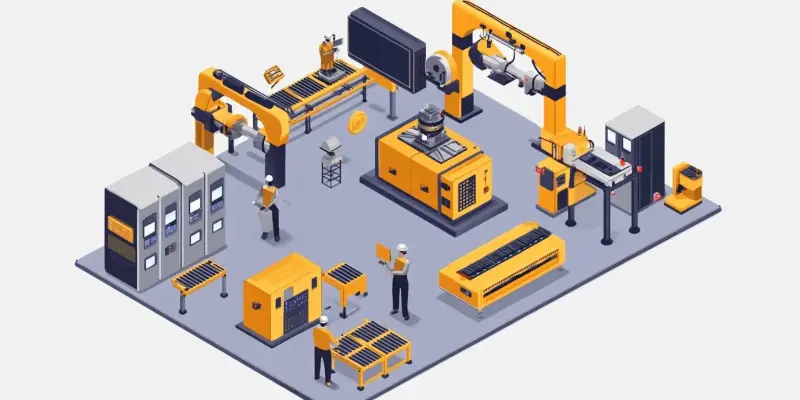
In a rapidly evolving industrial landscape, the need for flexible, open-architecture AI solutions has become crucial in ensuring efficient and cost-effective operations. These hardware-agnostic AI systems offer businesses the ability to manage their robotic pick-and-pack systems on-site, without being hampered by the need for rare technical specialists.
Necessity for Flexibility in AI Solutions
Industrial users require AI systems that can be effectively managed and maintained on-site, eliminating the constant dependence on specialized experts. By implementing open-architecture AI solutions, companies can gain better visibility and flexibility in programming and managing their operations. This adaptability allows businesses to seamlessly integrate new hardware and software as requirements change, without being anchored to a single vendor.
Challenges with Proprietary Solutions
Proprietary solutions present significant challenges, primarily due to vendor lock-in. Systems that require specific hardware and software limit flexibility and result in higher costs. Additionally, reliance on a single vendor for support, updates, and replacements can lead to devastating downtimes, particularly if there are disruptions in the supply chain. This dependence also curtails innovation and restricts the integration of newer hardware necessary for evolving industrial needs.
Cost and Labor Efficiency in Pick-and-Pack Systems
Robots play an indispensable role in various industrial sectors; however, traditional robotics lack the required flexibility for intricate tasks such as pick-and-pack operations. These tasks demand adaptability and precision that conventional systems cannot provide. The urgency for efficient pick-and-pack systems is growing, with global throughput volume expected to surge by 40% by 2030. This trend underscores the intensified need for AI systems possessing adaptability and accuracy.
Issues with SaaS Solutions
Proprietary SaaS-based AI robotic solutions come with their own set of drawbacks. The high cost of customization and potential dependency on a single source increase the risk of downtime and supply chain issues. Moreover, ensuring these solutions fit within project budgets while maintaining reliable supply chains poses additional challenges. To mitigate these risks, open-source, on-site AI solutions are increasingly favored, as they reduce cybersecurity concerns and guarantee operational continuity.
Advantages of Open-Architecture Solutions
Open-architecture, hardware-agnostic AI systems provide unmatched flexibility and cost-efficiency by allowing the use of any hardware tailored to specific project requirements. These systems facilitate easier customization through existing IT and OT standards, steering clear of the need for highly specialized consultants. Embracing standardized technologies, such as the Standard Robot Command Interface (SRCI), makes AI-driven solutions more accessible to engineers across various industries.
Future Trends and Consensus
In today’s rapidly changing industrial landscape, flexible, open-architecture AI solutions have become essential for achieving efficient and cost-effective operations. These systems are hardware-agnostic, which means they can be integrated with various equipment, allowing businesses to manage their robotic pick-and-pack systems on-site effectively. One of the significant advantages of these AI solutions is that they do not require rare technical specialists to operate. Instead, employees with standard technical training can manage them, thereby reducing the dependence on highly specialized personnel. This inclusivity cuts down on operational costs and ensures smoother, more adaptable workflows. Furthermore, the ability to deploy these systems without major overhauls to existing setups means that companies can stay nimble and responsive to market demands. In essence, the integration of flexible, open-architecture AI solutions enables businesses to enhance their operational efficiency, reduce costs, and maintain a competitive edge without sacrificing adaptability or requiring extensive technical expertise.