

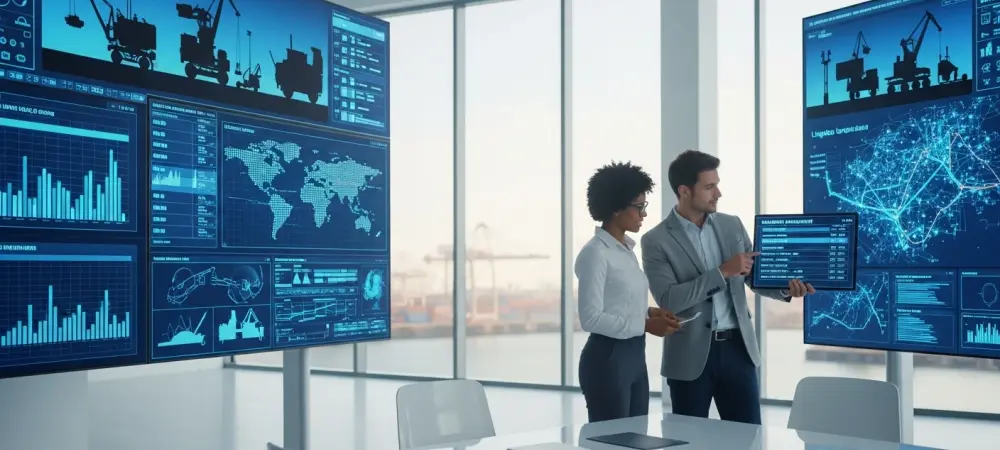
Success in the modern equipment rental landscape no longer depends solely on the size of the fleet but on the digital infrastructure that coordinates every machine and contract across the global supply chain. This shift toward a technology-first approach has redefined how organizations perceive value, moving away from mere physical asset management and toward the sophisticated orchestration of data and logistics. As the market expands, the necessity for a unified platform that bridges the gap between field operations and back-office financial reporting has become undeniable. This article explores how Microsoft Dynamics 365 serves as a catalyst for this evolution, providing the tools necessary to navigate a complex and competitive economic environment.
The objective of this exploration is to address the most pressing questions regarding digital adoption within the rental sector while highlighting the specific advantages of integrated ERP solutions. Readers will gain a deeper understanding of how automation, real-time analytics, and cloud scalability function as the primary drivers of sustainable profitability. From the initial implementation of streamlined workflows to the long-term benefits of predictive maintenance, the following sections detail the strategic components of a modern rental operation. This content serves as a comprehensive guide for leadership teams seeking to modernize their infrastructure and ensure their business remains resilient against shifting market trends.
Key Questions or Key Topics Section
Why Is Future-Proofing Essential for Modern Equipment Rental Companies?
The equipment rental industry operates within a high-stakes environment where the speed of service and the reliability of machinery dictate market share. Historically, many organizations relied on localized, fragmented systems or manual record-keeping to track their inventory and customer interactions. However, the modern marketplace demands a level of agility that legacy tools simply cannot provide, leading to significant gaps in operational visibility and missed revenue opportunities. Without a forward-looking strategy, companies risk falling behind competitors who can offer faster turnarounds, more accurate billing, and superior equipment availability.
Future-proofing a rental business involves the strategic adoption of technologies that can scale alongside the organization as it grows and diversifies. By implementing a robust digital foundation, a company can automate repetitive administrative tasks, such as contract generation and invoice processing, which frees up personnel to focus on high-value customer service. This proactive approach ensures that the business remains capable of handling increased demand without a proportional increase in overhead costs. Furthermore, a modernized infrastructure allows for the seamless integration of new service models, such as subscription-based rentals or project-specific leasing, which are becoming increasingly popular among corporate clients.
The benefits of a comprehensive technology strategy extend far beyond simple efficiency gains to touch every aspect of the customer experience. When a rental firm utilizes a modern platform, it can provide clients with accurate, real-time information regarding asset location and performance, building a level of trust that manual systems often undermine. Moreover, the ability to report on equipment utilization and lifecycle costs allows management to make informed decisions about when to retire older units or invest in new categories. Ultimately, the goal of future-proofing is to create a resilient organization that views technological change as an opportunity for expansion rather than a threat to its established routines.
How Does Equipment Rental ERP Software Transform Daily Operations?
One of the most significant challenges in the rental sector is the inherent complexity of managing diverse assets that are constantly in motion across multiple locations. Traditional software often treats inventory management, financial reporting, and maintenance scheduling as separate functions, which creates data silos and increases the likelihood of human error. An integrated ERP system, such as those built on Microsoft Dynamics 365 Finance and Supply Chain Management, solves this problem by centralizing all business processes into a single, cohesive environment. This unification ensures that every department works from a single source of truth, eliminating the need for manual data reconciliation.
In practice, this transformation manifests as a highly efficient workflow that tracks an asset from the moment it is purchased to the day it is decommissioned. When a customer places an order, the system automatically checks fleet availability across all branches, schedules the necessary pre-rental inspections, and generates a customized contract based on the specific terms of the agreement. This level of automation reduces the administrative burden on staff and minimizes the risk of double-booking or sending out equipment that requires maintenance. Consequently, the operational tempo increases, allowing the company to process a higher volume of transactions with greater precision. Solutions like Sycor.Rental further enhance these capabilities by providing industry-specific tools designed for complex rental scenarios, such as bulk rentals or tiered pricing structures. By leveraging a scalable platform, companies can manage global operations with the same ease as a single-site location, ensuring consistent service quality regardless of geographic boundaries. The integration of financial and operational data also allows for more accurate billing and faster payment cycles, which directly improves the cash flow of the organization. This holistic view of the business empowers managers to identify bottlenecks in real time and implement corrective measures before they impact the bottom line.
Which Digital Technologies Are Currently Reshaping the Rental Industry?
The rapid advancement of digital innovation has introduced a suite of tools that are fundamentally changing how rental assets are monitored and maintained. Cloud-based management software stands at the forefront of this shift, providing businesses with the flexibility to access critical operational data from any device at any time. This accessibility is vital for field technicians and sales representatives who need to make quick decisions while on-site or traveling between client locations. Moving away from on-premises servers also reduces the burden on internal IT departments, as cloud providers manage security updates and system maintenance automatically.
Artificial intelligence and predictive analytics have also emerged as powerful components of the modern rental ecosystem. By utilizing predictive insights, companies can shift from a reactive maintenance model to a proactive one, performing repairs before a breakdown occurs. This reduction in unexpected downtime not only saves money on emergency repairs but also enhances the reputation of the company as a reliable partner that provides well-maintained machinery. These technologies analyze vast amounts of historical data to identify patterns that human operators might overlook, such as seasonal demand spikes or common failure points in specific equipment models. The Internet of Things and telematics represent another significant leap forward, allowing for the real-time tracking of equipment performance and location. IoT sensors can monitor everything from engine hours and fuel consumption to geographical boundaries through geofencing, providing a granular level of detail that was previously impossible to obtain. These connected devices offer valuable data that can be used to optimize fleet allocation and ensure that high-demand assets are always positioned where they are needed most. As these technologies become more affordable and easier to integrate, they are setting a new standard for operational excellence in the equipment rental sector.
In What Ways Does Digital Transformation Directly Fuel Business Scalability?
Digital transformation is frequently misunderstood as a simple upgrade of software, but in the context of equipment rental, it represents a complete overhaul of the business model to support rapid growth. When an organization adopts integrated digital systems, it gains the ability to replicate its successful processes across new locations with minimal friction. This scalability is essential for companies looking to expand into new markets or acquire smaller competitors, as it ensures that the same standards of efficiency and reporting are maintained throughout the growing enterprise. A unified system makes the onboarding of new branches faster and more cost-effective.
Furthermore, the automation of billing and contract management allows the business to scale its transaction volume without needing to hire an equivalent number of administrative personnel. By streamlining these core functions, the company can reinvest its resources into strategic initiatives, such as marketing or fleet diversification. Digital systems also facilitate better communication between departments, ensuring that the sales team is always aware of what equipment is available and the service team knows which units are returning for maintenance. This internal synergy is a critical driver of profitability, as it ensures that the fleet is utilized to its maximum potential. Connecting rental operations with advanced analytics also allows leadership to identify which regions or equipment types are generating the highest returns on investment. This insight is crucial for making informed decisions about where to allocate capital and which areas of the business require additional support or reorganization. By creating a data-driven culture, the organization can respond more effectively to changes in the economic landscape, such as shifts in construction activity or industrial production. In essence, digital transformation provides the agility required to navigate the complexities of a modern economy while maintaining a clear path toward sustainable expansion.
Why Have Data-Driven Insights Become the New Standard for Competitiveness?
In the current economic climate, the ability to interpret and act upon operational data has become a primary differentiator between market leaders and those struggling to maintain their position. Many rental firms possess an abundance of data but lack the tools to turn that information into actionable intelligence, leading to inefficiencies in fleet management and pricing strategies. Modern equipment rental software addresses this by providing real-time dashboards and comprehensive reporting tools that highlight key performance indicators, such as equipment utilization rates and average rental duration. These metrics provide a clear picture of the health of the business at any given moment.
Access to accurate data enables companies to optimize their fleet investments by identifying underperforming assets that should be sold or replaced with more profitable alternatives. For example, if the data shows that a specific category of machinery has a high maintenance cost relative to its rental income, management can make a strategic decision to phase out that model in favor of a more reliable one. Similarly, understanding customer demand patterns allows for more precise forecasting, ensuring that the company is prepared for peak seasons without over-investing in inventory that will sit idle during slower months. This level of precision is only possible through the use of advanced analytics platforms.
Moreover, data-driven insights allow for more sophisticated pricing models that can adapt to market conditions in real time. By analyzing competitor rates and local demand, a rental company can adjust its pricing to remain competitive while maximizing its margins. This approach also extends to customer relationship management, where data can be used to identify high-value clients and offer them personalized incentives or loyalty programs. Ultimately, the transition to a data-driven operational model allows a rental business to move beyond guesswork and base its strategic direction on empirical evidence, which is the cornerstone of long-term success in a crowded market.
Summary or Recap
The transformation of the equipment rental industry through the adoption of Microsoft Dynamics 365 and integrated ERP solutions represents a fundamental shift in how businesses achieve growth. By prioritizing future-proofing and digital integration, organizations have found ways to overcome the traditional challenges of fleet management, such as manual data entry and fragmented communication. The implementation of cloud-based systems and the use of AI-driven analytics have empowered rental companies to optimize their operations, reduce downtime, and provide a superior level of service to their clients. These technologies have moved from being optional enhancements to becoming essential components of a competitive business strategy.
Furthermore, the move toward data-driven decision-making has provided leadership teams with the clarity needed to navigate a complex and evolving marketplace. The ability to monitor equipment utilization in real time and forecast demand with high accuracy has allowed firms to maximize their return on investment and scale their operations more effectively. As trends like IoT and predictive maintenance continue to mature, the gap between digitally advanced companies and those relying on legacy systems will only widen. For those seeking deeper exploration, investigating the specific modules of Dynamics 365 related to supply chain management and asset leasing can provide additional context for these technological advancements.
Conclusion or Final Thoughts
The journey toward digital maturity in the equipment rental sector was marked by a shift in perspective that valued information as much as the physical assets themselves. It became clear that the integration of disparate business functions into a single, cohesive platform was the only viable path for sustaining long-term growth in a rapidly changing economy. Organizations that chose to embrace these changes found themselves better equipped to handle the demands of a modern clientele, while those that hesitated often faced significant operational hurdles. This period of transition highlighted the importance of agility and the role of technology as an enabler of human ingenuity.
As companies look toward the next phase of their evolution, the focus must remain on the continuous refinement of their digital strategies. The insights gathered from integrated systems should be used to foster a culture of innovation where data informs every strategic move and operational adjustment. It is encouraged that leaders evaluate their current infrastructure and consider how a unified ERP solution could resolve their specific pain points. By taking proactive steps to modernize their technology stack, rental businesses can ensure they remain resilient and ready to capture the opportunities of an increasingly interconnected global market.