

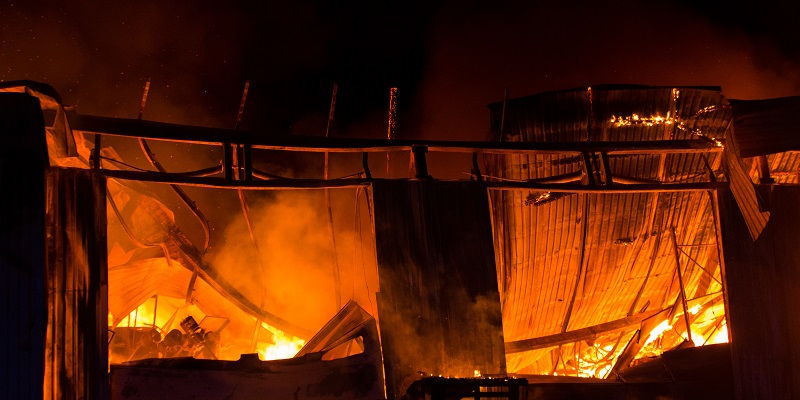
A fire at a data center in Lincoln, Nebraska, on September 2 resulted in a temporary disruption of 911 services in the Southeast region of the state. The facility, owned by Windstream, experienced a fire that caused a transformer to short and explode, resulting in a power outage for the main switches. As a result, connectivity to the 911 services in Gage, Otoe, Saunders, and Adams counties was affected. This incident highlights the critical importance of uninterrupted emergency services for public safety.
Description of the Data Center Fire
The fire that broke out at the Windstream data center in Lincoln was a result of a water leak reaching the electrical equipment. The leak led to a short circuit, causing a transformer to explode. The resulting fire quickly spread, impacting the power supply for the data center’s main switches.
Impact on 911 Services
Due to power outages, Windstream was forced to shut down one of its switches, which affected the 911 services in Gage, Otoe, Saunders, and Adams counties. These outages left residents in these areas unable to contact emergency services through the usual means. The incident highlights the critical dependency on reliable and uninterrupted communication channels during emergencies.
Cause of the Fire
The fire at the data center was caused by a water leak that reached the electrical equipment. This incident serves as a reminder of the potential risks associated with inadequate maintenance and monitoring in data centers. It underscores the need for regular inspections and proper infrastructure to prevent such incidents in the future.
Restoration of 911 Services
Efforts to restore the 911 services began immediately after the fire was extinguished. Windstream worked tirelessly to bring the connectivity back online, and by Sunday morning, the 911 services were fully functional again. The local 911 centers collaborated closely with Windstream, ensuring the swift and efficient restoration of emergency communication channels.
State-Wide 911 Service Disruption Prior to the Fire Incident
Interestingly, this data center fire came just days after Nebraska experienced a state-wide 911 service disruption due to a fiber cut in Omaha. The previous outage affected several 911 centers across the state, posing challenges for emergency response teams. These back-to-back incidents highlight the need for resilient infrastructure and redundancy in emergency communication systems.
Recognition for the Affected 911 Centers
Director David Sankey, of the State 911 Department, expressed his appreciation to the 911 centers affected by the recent disruptions. He commended their quick response and efficient communication in informing the public about the outages, as well as for taking proactive measures to ensure alternative means of contacting emergency services. The dedication and professionalism of these centers played a vital role in ensuring public safety during challenging circumstances.
The fire incident at the data center in Lincoln, Nebraska served as a stark reminder of the critical role played by uninterrupted 911 services in safeguarding public safety. It highlighted the potential risks associated with inadequate maintenance and infrastructure in data centers, underscoring the need for ongoing monitoring and preventive measures. The swift restoration of the 911 services by Windstream and the dedicated efforts of the local 911 centers demonstrate the importance of collaborative response strategies during such emergencies. To ensure the well-being of the community, it is crucial that emergency communication systems continue to improve and evolve to prevent, detect, and address any potential disruptions promptly.