

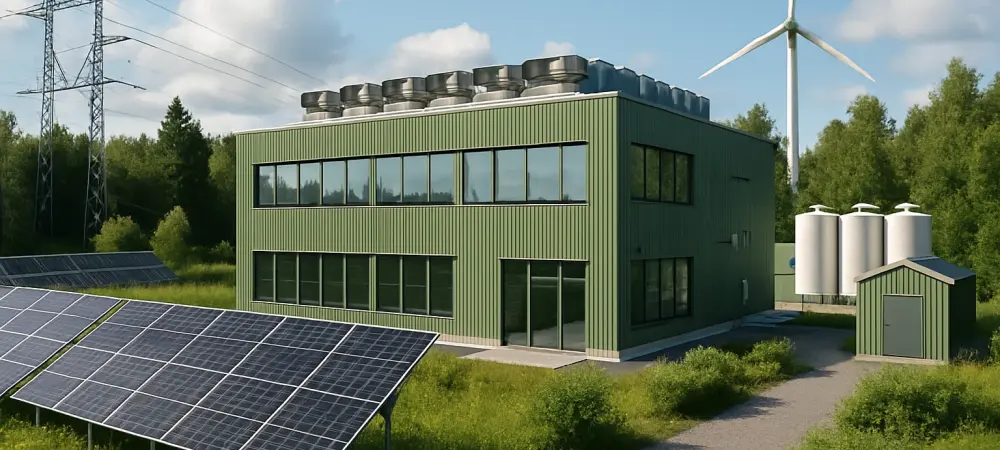
Imagine a country where vast renewable energy resources meet cutting-edge digital infrastructure, creating a blueprint for the future of technology. Finland, with its abundant clean energy and strategic northern location, is rapidly becoming a global leader in sustainable data centers. This roundup dives into the opinions, strategies, and perspectives of industry leaders and stakeholders to uncover why Finland stands out as a prime destination for data center investments. The purpose is to compile diverse views on sustainability, location advantages, scalability, and partnerships, offering a comprehensive look at what drives this Nordic nation’s digital ascent.
Unlocking Finland’s Potential in Digital Infrastructure
Finland’s emergence as a data center powerhouse has caught the attention of global tech firms and local innovators alike. Industry voices consistently highlight the country’s unique combination of green energy and robust connectivity as a key draw. Many note that projects spearheaded by companies like Solano, Nova Complex, and Hyperco are setting new benchmarks for eco-friendly operations, positioning Finland as a model for others to emulate.
A recurring theme among experts is the supportive policy environment that encourages tech investments. Stakeholders emphasize how government incentives and streamlined regulations have created fertile ground for large-scale developments. This blend of natural and administrative advantages is often cited as a reason why Finland is outpacing other European nations in attracting digital infrastructure projects.
Beyond policies, Finland’s geographic edge is frequently discussed. Its proximity to major markets, coupled with a cool climate that reduces cooling costs for data centers, adds to its allure. Contributors to this discussion point out that these factors collectively make the region a strategic choice for companies aiming to balance efficiency with sustainability goals.
Pioneering Sustainable Data Centers Across Finland’s Regions
Renewable Energy: The Core of Finland’s Data Surge
Sustainability remains at the heart of Finland’s data center appeal, with many industry leaders praising the country’s reliance on renewable energy sources. Projects like Solano’s 100MW campus in Pyhäjärvi, powered by solar, wind, and battery storage, are often highlighted as prime examples of green innovation. Experts agree that access to clean energy is not just a trend but a fundamental driver for long-term operational success in this sector.
Challenges, however, are not overlooked in these discussions. Some industry observers caution that meeting the soaring energy demands of data centers could strain grid capacity, especially during peak usage periods. There is a shared concern about maintaining a consistent power supply in Finland’s harsh winter conditions, prompting calls for enhanced energy storage solutions and infrastructure upgrades.
Despite these hurdles, optimism prevails among contributors. Many argue that Finland’s abundant renewable resources provide a competitive edge over regions reliant on fossil fuels. This perspective underscores a broader consensus that integrating green energy into data center design is not only feasible but essential for meeting global environmental targets.
Strategic Locations Fueling Regional Growth
The choice of locations like Pyhäjärvi and Loviisa for data center hubs garners significant attention from industry insiders. These areas are frequently lauded for their industrial infrastructure and connectivity, with local fiber operators like PyhäNet enhancing data transmission capabilities. Proximity to transport routes, such as the E18 motorway near Loviisa, is also seen as a critical factor in site selection.
Real-world examples further illuminate this trend, with Nova Complex’s €400 million investment in Loviisa often cited as a transformative project. Similarly, Hyperco’s plans for a major campus by 2027 draw praise for leveraging regional strengths. Experts note that these developments not only boost local economies but also position Finland as a serious contender against other European data hubs.
Yet, not all views are uniformly positive. Some stakeholders warn of potential regulatory delays or community resistance that could slow progress. There is a shared acknowledgment that balancing local interests with corporate ambitions remains a delicate task, though many believe Finland’s collaborative approach mitigates such risks effectively.
Scalability and Vision for Future Data Needs
The ambitious scale of Finland’s data center projects sparks lively debate among industry watchers. Solano’s potential expansion to 800MW in Pyhäjärvi and Nova Complex securing additional land in Loviisa are often mentioned as indicators of forward-thinking planning. Many see this scalability as a direct response to the global surge in data storage and processing demands.
Diverse opinions emerge on the ecosystem of players involved, from established names like Verne and Equinix to emerging firms like Polarnode. Some contributors argue that this mix of experience and innovation fosters a dynamic market, while others question whether rapid growth might outstrip infrastructure readiness. The consensus leans toward cautious optimism, with a focus on strategic investments to support expansion.
A critical perspective often raised is the need for long-term planning to sustain such aggressive scaling. Industry voices stress that aligning infrastructure development with projected data needs is vital to avoid bottlenecks. This forward-looking approach is seen as a cornerstone of Finland’s strategy to remain a leader in the digital landscape.
Public-Private Collaboration Driving Progress
Collaboration between private firms and local authorities is a widely discussed factor in Finland’s data center boom. Partnerships, such as Solano’s work with Callio in Pyhäjärvi to repurpose industrial sites, are frequently praised for their role in facilitating project execution. Similarly, Nova Complex’s negotiations with Loviisa’s city council are viewed as a catalyst for regional economic renewal.
Differing viewpoints exist on the broader impact of these alliances. While many highlight the job creation and economic benefits, others point out that aligning public and private goals can be complex, requiring ongoing dialogue. There is agreement, however, that such synergy sets a precedent for how digital growth can be integrated into community development plans.
Looking at the potential for replication, several experts suggest that Finland’s model of cooperation could inspire similar initiatives in other regions. The emphasis on mutual benefits—economic for locals and operational for companies—is seen as a replicable framework. This perspective adds a strategic layer to understanding how partnerships fuel Finland’s digital ambitions.
Key Takeaways from Finland’s Data Center Momentum
Gleaning insights from various sources, several key points stand out about Finland’s data center surge. The leadership in green technology, exemplified by renewable-powered projects, is a focal point of admiration. Economic impacts, such as Nova Complex’s massive investment, are often cited as proof of the sector’s transformative potential for local communities.
Stakeholders also offer practical advice for those looking to engage with or replicate Finland’s success. Prioritizing renewable energy integration is a common recommendation, alongside building strong local partnerships to navigate regulatory landscapes. Planning for infrastructure scalability is another recurring tip, ensuring that growth aligns with capacity.
For businesses eyeing digital expansion, Finland’s approach provides actionable lessons. Many suggest studying how the country balances sustainability with innovation, applying similar principles to other markets. These insights serve as a guide for tapping into the potential of sustainable data infrastructure on a global scale.
Reflecting on Finland’s Global Digital Influence
Looking back, the roundup of perspectives revealed a shared admiration for Finland’s journey as a data center leader, marked by innovation and environmental responsibility. Discussions underscored how strategic locations, renewable energy, and collaborative efforts have shaped a robust ecosystem. The diversity of opinions offered a nuanced view of both achievements and challenges that define this trajectory.
Moving forward, the actionable next step lies in scaling these lessons to broader contexts, encouraging global stakeholders to adopt sustainable practices inspired by Finland’s example. Exploring partnerships with renewable energy providers could be a starting point for many regions. Additionally, investing in infrastructure resilience stands out as a priority to support the ever-growing digital demands, ensuring that the momentum built in Finland sparks a wider movement toward a greener, connected future.