

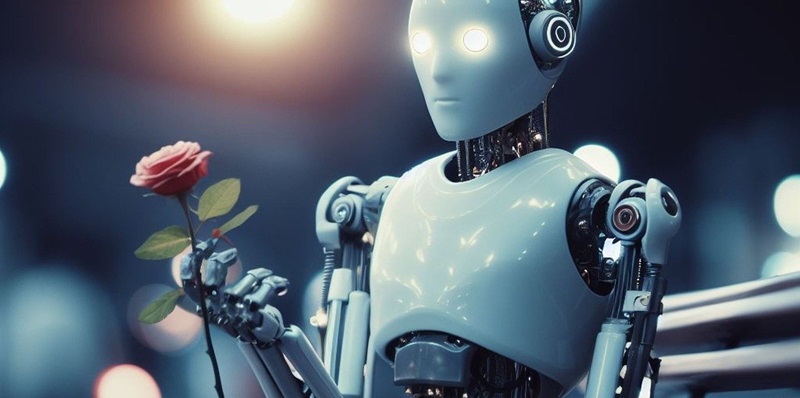
Figure AI, an emerging force in artificial intelligence and robotics, has recently made headlines with a landmark Series B funding round, amassing an impressive $675 million. This financial feat is supported by industry powerhouses such as OpenAI and NVIDIA and is encouraged by the entrepreneurial expertise of Jeff Bezos. The startup is strategically stationed in Sunnyvale, California, where 80 dedicated experts strive to advance the field of autonomous labor. Figure AI’s goal is to revolutionize multiple sectors by providing a solution to the critical labor shortages faced worldwide, using their cutting-edge humanoid robots. This significant investment underscores a widespread belief in the potential of AI-driven robotic labor, suggesting a transformative shift on the horizon for how work is approached across numerous industries.
Bridging Labor Gaps with Tech
The ever-increasing demand for labor amidst a backdrop of persistent shortages has spurred Figure AI towards creating cutting-edge humanoid robots, designed to dovetail seamlessly with human workforces. These robots are envisioned not merely as tools but as integrated entities capable of dynamic and intelligent action. Figure AI’s innovation, Figure 01, encapsulates this vision, boasting capabilities that suggest a near-future where robots can perform complex tasks across various settings. Automotive manufacturing stands as the pioneer for this integration, with the likes of BMW already forging strategic partnerships to harness the potential of Figure AI’s robotic solutions.
Already, Figure AI’s robots are not confined to the theoretical domain but are marking their territory in practical settings like shipping, logistics, and retail. These sectors, strained under the weight of an insufficient workforce, look towards Figure 01 with the hope of alleviating operational challenges. The humanoid robots from Figure AI promise a dual benefit: enabling higher productivity and providing a relief valve for strained sectors.
A Convergence of Giants
Figure AI’s collaborations with notable tech giants signal a collective push towards integrating AI and robotics into the workforce. Leveraging OpenAI’s language processing, Figure 01 can understand and interact at an advanced level. With NVIDIA’s AI and graphics processors, the robots gain immense processing power. Microsoft Azure backs them with vast data management and cloud computing capabilities.
This synergy between computational intelligence, software refinement, and robotic precision is shaping a new era of autonomous labor. It’s a concerted effort by industry leaders to make humanoid robots a staple in operational tasks. Such confidence from major tech firms underscores the belief that humanoid robotics isn’t just an inventive goal but a necessary evolution in the industrial landscape, ready to change our approach to work forever.