

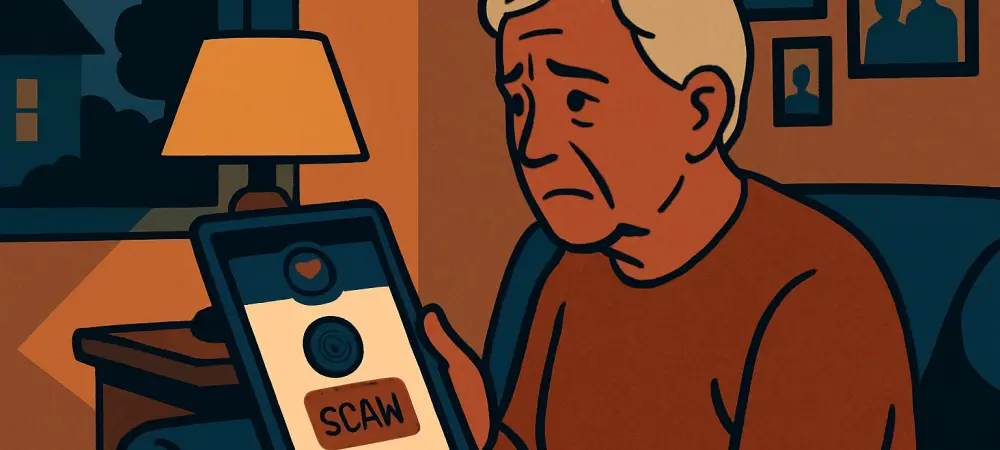
In an era where trust is often just a click away from betrayal, a chilling wave of cyber deception has emerged, targeting those already stung by fraud. Picture this: a desperate individual, seeking justice after losing savings to an online scam, turns to what appears to be a lifeline—the FBI’s Internet Crime Complaint Center (IC3). But instead of help, they stumble into a meticulously crafted trap, handing over personal details to criminals. This alarming trend of fake IC3 phishing schemes has prompted urgent warnings from the FBI, revealing just how far scammers will go to exploit vulnerability in 2025.
The significance of this issue cannot be overstated. The IC3, housed at the official domain www.ic3.gov, stands as a critical resource for reporting cybercrimes like fraud and identity theft. Yet, cybercriminals have turned this beacon of hope into a weapon, creating near-perfect replicas of the site to deceive users. With a sharp rise in spoofed websites and impersonation cases reported this year, the stakes extend beyond mere data theft—they strike at the heart of public trust in systems designed for protection. Understanding and combating these schemes is not just a matter of personal safety; it’s a societal imperative.
Why Trust in IC3 Has Become a Cybercriminal Target
At the core of these phishing attacks lies a sinister strategy: exploiting faith in a trusted institution. Scammers replicate the IC3 platform with startling accuracy, mimicking its design and purpose to prey on individuals at their most fragile moments. Often, victims are already reeling from financial loss, making them easy targets for promises of recovery or justice that seem legitimate but are anything but.
The audacity of these fraudsters is evident in their methods. They manipulate search engine results and deploy sponsored ads to steer users toward counterfeit sites with domains like “ichelpindex.com” instead of the authentic .gov address. This calculated abuse of trust transforms a tool for empowerment into a gateway for further harm, highlighting the urgent need for public awareness.
The Escalating Danger of Phishing in a Connected World
Cybercrime has evolved from a niche threat to a pervasive crisis, impacting millions globally each year. The IC3, as the FBI’s designated hub for online crime reports, has unwittingly become a prime focus for scammers who thrive on the desperation of fraud victims. Reports indicate a dramatic spike in fake websites this year, painting a grim picture of an ever-adapting digital underworld.
What’s particularly troubling is the erosion of confidence in safety nets. When a platform meant to offer recourse becomes a trap, the psychological toll on victims compounds their financial losses. This growing menace underscores why staying informed about cyber threats is no longer optional—it’s essential for survival in a hyper-connected landscape.
How Fake IC3 Phishing Schemes Operate
The sophistication of these scams is both impressive and terrifying. Cybercriminals construct mirror images of the official IC3 site, copying its layout, forms, and even welcome messages to create an illusion of authenticity. However, subtle clues like non-.gov domains or slightly off graphics betray their true nature to the observant eye.
Beyond design, their tactics to ensnare victims are cunning. Fraudsters pose as sympathetic peers or IC3 representatives on platforms like Telegram, offering fake assistance with fund recovery while extracting sensitive data. The FBI has logged over 100 impersonation cases since last year, a stark reminder of how desperation can cloud judgment and open doors to deeper exploitation.
Moreover, spotting these traps requires vigilance. Warning signs include suspicious search result rankings that sideline the real site or domains flagged as malicious by security tools like VirusTotal and Silent Push. Recognizing these red flags is the first line of defense against falling prey to such elaborate deception.
FBI’s Response and the Human Cost
In response to this burgeoning threat, the FBI has ramped up efforts to alert the public. Urgent advisories were released in April and September of this year, complemented by social media updates on November 25, emphasizing the scale of fake IC3 sites. Statistics paint a sobering reality, with complaints about these phishing attempts climbing steadily, signaling a need for immediate action.
Behind the numbers lie heartbreaking stories. Individuals, already victimized by scams, find themselves betrayed again as they submit personal information—names, addresses, even banking details—on fraudulent platforms. The aftermath often includes identity theft and drained accounts, turning a quest for justice into a cycle of trauma that leaves lasting scars.
Armoring Yourself Against Deceptive Cyber Attacks
Protecting against these phishing traps starts with simple but powerful steps. Always navigate directly to www.ic3.gov by typing the address into the browser, bypassing potentially rigged search results or ads. Verifying that the domain ends in .gov is a non-negotiable habit for ensuring authenticity.
Skepticism is another vital shield. Ignore unsolicited offers of help, especially from social media or messaging apps claiming to represent the IC3, particularly if they demand payment for services. The FBI has clarified that the genuine IC3 neither operates social media accounts nor requests money, a fact that can save countless individuals from further loss.
Finally, safe reporting is key. Suspicious activity or sites should only be flagged through the official IC3 portal. Staying updated on FBI alerts and leveraging security tools to scan dubious links can further fortify personal defenses. Knowledge and caution together form an impenetrable barrier against these evolving threats.
Reflecting on a Path Forward
Looking back, the battle against fake IC3 phishing schemes revealed a harsh truth about the digital age: trust can be weaponized with devastating precision. The FBI’s persistent warnings throughout the year echoed a desperate plea for caution, while victims’ stories laid bare the profound human cost of these crimes. Each incident served as a lesson in the cunning of cybercriminals who adapted faster than many could anticipate.
Yet, from those challenges emerged clear strategies for resilience. Moving forward, individuals must commit to direct navigation to trusted sites, reject unverified offers, and remain ever-watchful for signs of deceit like non-.gov domains. By embracing these habits and advocating for broader cyber education, society can reclaim security from the shadows of deception, turning past vulnerabilities into future strength.