

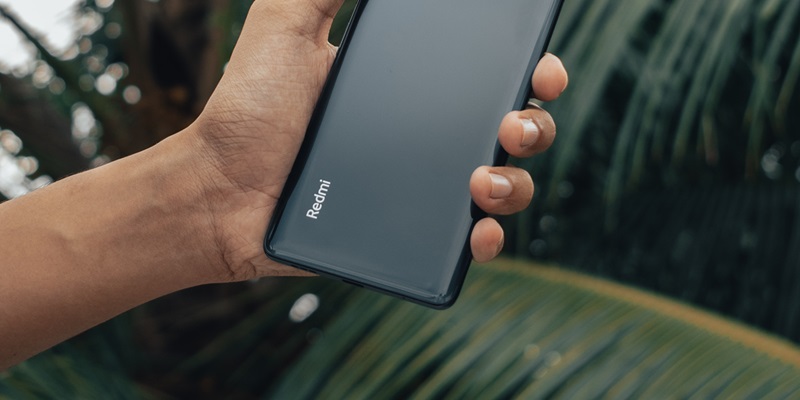
A recent leak has sent the tech world into a frenzy as intriguing information about the highly anticipated Redmi 13C smartphone has come to light. With leaked renders and price details at our disposal, we finally have a glimpse of what this upcoming device has in store for us.
Leaked Renders and Price Details
Thanks to the leaked renders, we now have a visual representation of the Redmi 13C. Boasting a stunning design available in multiple color options including green, black, blue, and white, this smartphone is set to make a style statement. One standout feature is the two circular rings on the rear which house the camera sensors and an LED flash, adding a unique and distinctive touch to its overall design.
Design of Redmi 13C
Redmi has always prioritized aesthetics, and the Redmi 13C continues that tradition. The seamless integration of the dual circular camera module into the sleek body adds an element of elegance. Users can choose from a range of captivating colors, allowing them to match their smartphone to their personal style.
Display and Refresh Rate
The Redmi 13C is rumored to sport a 6.74-inch HD+ display with a smooth 90Hz refresh rate. With these specifications, users can expect an immersive visual experience with vibrant colors and fluid motion. Whether it’s gaming, streaming videos, or browsing social media, this display is set to elevate the overall smartphone experience.
Operating System and User Experience
In terms of software, the Redmi 13C is expected to run on Android 13-based MIUI 14 custom skin right out of the box. Combining the best features of Android 13 with MIUI 14’s intuitive interface, users can expect a seamless and intuitive user experience. The custom skin brings a host of enhancements, including enhanced privacy features, improved app drawer organization, and smoother multitasking capabilities.
RAM and Storage Options
The Redmi 13C will be available in two variants, catering to different user requirements. The base model offers 4GB of RAM accompanied by 128GB of internal storage, while the higher-end variant will come equipped with 8GB of RAM and a generous 256GB of storage. With ample RAM and storage, users can enjoy smooth multitasking and have plenty of space to store their photos, videos, and apps.
Processor Details
Under the hood, the Redmi 13C is rumored to pack either the MediaTek Helio G85 SoC for the 4G variant or the more advanced MediaTek Dimensity 6100 Plus SoC for the 5G model. Both processors are known for their power efficiency and performance capabilities. Whether it’s lag-free multitasking or seamless gaming, the Redmi 13C is expected to deliver impressive performance across the board.
Camera Specifications
The camera setup on the Redmi 13C is no slouch either. Rumors suggest a 50MP primary sensor, accompanied by a 2MP macro lens and a 2MP depth unit. With these powerful camera capabilities, users can capture stunning photos with exceptional detail, depth, and clarity. Whether it’s a breathtaking landscape or a close-up shot, the Redmi 13C is poised to be a reliable companion for shutterbugs.
With its impressive design, powerful specifications, and competitive pricing, the Redmi 13C is shaping up to be a smartphone worth waiting for. It boasts a stunning design, an immersive display, a user-friendly operating system, robust performance, and a capable camera setup, all contributing to its potential to set a new benchmark in the smartphone market. As enthusiasts eagerly await its release, Xiaomi’s Redmi 13C promises to be a device that combines style, innovation, and value for money like never before.