
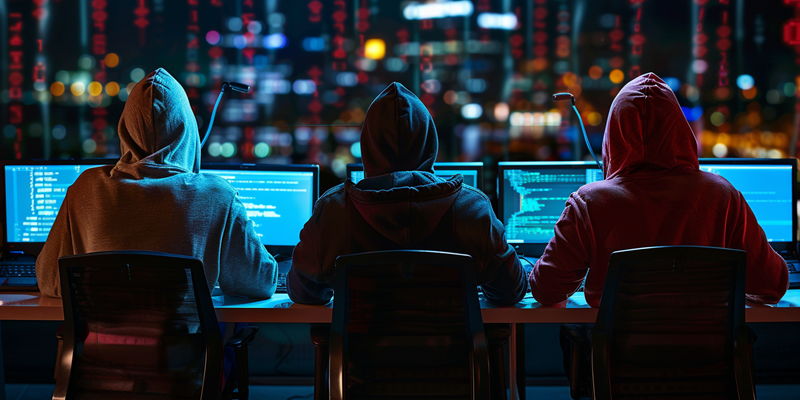
Evolving Botnets Weaponize NiceRAT for Data Theft and Malware

In the shadowy corners of the internet, botnets are evolving into tools of digital treachery with capabilities that reach far beyond their original design. The weaponization of such networks to deploy the malicious NiceRAT software represents a significant shift in the cyberthreat landscape. Traditionally associated with distributed denial-of-service (DDoS) attacks, these digital swarms have taken a perilous turn towards data theft and the propagation of further malware. Botnets leveraging NanoCore and Emotet, potent examples of such threats, have been under surveillance since 2019. They have honed the art of deception, cloaking their malevolent intent behind the façade of legitimate applications scattered across file-sharing sites and blogs. This guise lures unsuspecting users into installing applications that cede control of their devices to distant adversaries.

A New Generation of Cyber Menace

Botnets represent a sinister evolution in cyber threats, characterized by stealthy tactics. They camouflaged as benign software, from game utilities to simple system tools, sneak into the technology of unsuspecting victims. Once launched, they mimic ordinary system operations, achieving deep integration within their hosts and persisting even without their command and control centers.

One advanced example is NiceRAT, which epitomizes this new wave’s sophistication. Created in Python, NiceRAT employs multiple evasion techniques to slip past cybersecurity defenses. It targets sensitive data, including login details and cryptocurrency wallets, cleverly using Discord’s webhooks for control commands. Additionally, these botnets house viruses designed to bypass antimalware, tricking users to lower their guard.

The emergence of these botnets necessitates a potent cybersecurity countermeasure. As botnets evolve, cybersecurity must match their pace, innovating to preempt and dispel these threats. The continuous struggle between cybercriminal innovation and digital defense highlights the essential need for advanced protection tactics to combat intricate botnet schemes.

Explore more

Jenacie AI Debuts Automated Trading With 80% Returns

We’re joined by Nikolai Braiden, a distinguished FinTech expert and an early advocate for blockchain technology. With a deep understanding of how technology is reshaping digital finance, he provides invaluable insight into the innovations driving the industry forward. Today, our conversation will explore the profound shift from manual labor to full automation in financial trading. We’ll delve into the mechanics

Chronic Care Management Retains Your Best Talent

With decades of experience helping organizations navigate change through technology, HRTech expert Ling-yi Tsai offers a crucial perspective on one of today’s most pressing workplace challenges: the hidden costs of chronic illness. As companies grapple with retention and productivity, Tsai’s insights reveal how integrated health benefits are no longer a perk, but a strategic imperative. In our conversation, we explore

DianaHR Launches Autonomous AI for Employee Onboarding

With decades of experience helping organizations navigate change through technology, HRTech expert Ling-Yi Tsai is at the forefront of the AI revolution in human resources. Today, she joins us to discuss a groundbreaking development from DianaHR: a production-grade AI agent that automates the entire employee onboarding process. We’ll explore how this agent “thinks,” the synergy between AI and human specialists,

Is Your Agency Ready for AI and Global SEO?

Today we’re speaking with Aisha Amaira, a leading MarTech expert who specializes in the intricate dance between technology, marketing, and global strategy. With a deep background in CRM technology and customer data platforms, she has a unique vantage point on how innovation shapes customer insights. We’ll be exploring a significant recent acquisition in the SEO world, dissecting what it means

Trend Analysis: BNPL for Essential Spending

The persistent mismatch between rigid bill due dates and the often-variable cadence of personal income has long been a source of financial stress for households, creating a gap that innovative financial tools are now rushing to fill. Among the most prominent of these is Buy Now, Pay Later (BNPL), a payment model once synonymous with discretionary purchases like electronics and