

Smart homes have revolutionized the way we live, introducing a new era of convenience and efficiency. With their ability to learn and adapt to our preferences and habits, these connected homes offer a myriad of benefits, including energy efficiency, cost savings, and improved security. Behind the magic of smart homes lies the crucial role played by advanced home networking devices. This article explores the rising demand for these devices, driven by the proliferation of smart home appliances and systems, and the increasing desire for convenience, efficiency, and personalization in our daily lives.
Benefits of Smart Homes
Smart homes offer a range of benefits that contribute to their growing popularity. Firstly, they enable energy efficiency by optimizing the use of resources through automated systems that adjust temperature, lighting, and appliances based on occupancy and time of day. This not only reduces energy consumption but also lowers utility bills. Secondly, smart homes provide cost savings by automating routine tasks, such as managing thermostats and monitoring water usage, resulting in more efficient use. Additionally, advanced security systems integrated into smart homes offer enhanced protection against intruders and accidents, providing homeowners with peace of mind. Lastly, the true brilliance of smart homes lies in their ability to learn and adapt to the preferences and habits of their inhabitants, creating personalized experiences that cater to individual needs and preferences.
Demand for Advanced Home Networking Devices
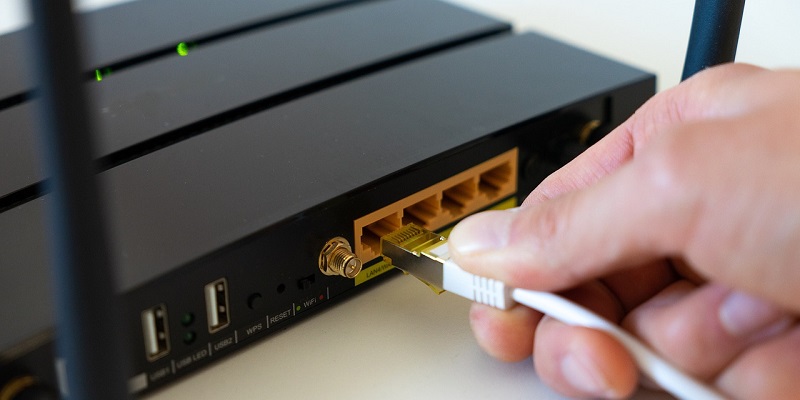
The rise of smart homes has paved the way for a substantial demand for advanced home networking devices, which form the backbone of any connected dwelling. Routers, modems, and network switches are essential for seamlessly connecting and managing the vast array of smart devices within a home. These devices are the lifeline that ensures smooth communication and coordination among various appliances, sensors, and control systems. The increasing number of smart devices being added to homes, such as smart thermostats, lighting systems, security cameras, and entertainment systems, has fueled the need for robust home networking devices that can support and manage these connections effectively.
Increasing Number of Smart Devices
As smart technology becomes more prevalent, the number of smart devices in our homes continues to rise. From smart TVs and voice assistants to smart refrigerators and door locks, the variety of connected devices available is expanding rapidly. This surge in smart devices necessitates the need for advanced home networking devices that can handle the simultaneous connections and bandwidth requirements of numerous devices. With each new addition, the demand for networking devices capable of seamless integration and management becomes increasingly paramount.
Acceleration of Smart Home Adoption Due to COVID-19
The ongoing COVID-19 pandemic has significantly propelled the adoption of smart homes. With more people spending extended periods at home, the focus on creating comfortable and efficient living spaces has intensified. Smart home technology provides a solution by enabling remote control, automation, and monitoring of various systems, enhancing comfort, convenience, and peace of mind in these uncertain times. From remote work setups to contactless control of appliances, the pandemic has accelerated the need for smart homes and consequently increased the demand for advanced home networking devices.
Market Projection for Advanced Home Networking Devices
The market for advanced home networking devices is poised for substantial growth. It is projected to reach a value of $135.3 billion by 2025. This surge is fueled by increasing consumer preference for smart homes and the advantages they offer, the rapid proliferation of smart devices across households, and the growing awareness and understanding of the benefits of smart homes. As consumers become more knowledgeable about these technologies, the demand for advanced home networking devices to create seamless and reliable connections will continue to rise.
Importance of Security in Home Networking
However, as the demand for advanced home networking devices grows, the importance of prioritizing security cannot be understated. With an increasing number of devices connected to the internet, such as cameras, door locks, and voice assistants, the vulnerability to potential cyber-attacks rises. Just as advanced home networking devices provide convenience and efficiency, they also present potential entry points for hackers. Robust security measures, including strong passwords, encryption, and regular software updates, are paramount to safeguard smart homes and protect sensitive data.
Prioritizing Security in Manufacturing and Consumption
Manufacturers of advanced home networking devices, as well as consumers themselves, must prioritize security to ensure the safety of their homes and data. It is essential for manufacturers to embed robust security features in their devices and regularly update firmware to address any vulnerabilities. Consumers, on their part, should practice good cybersecurity hygiene such as using strong passwords, enabling two-factor authentication, and implementing network segmentation to isolate smart devices from critical systems. By working together, manufacturers and consumers can create a secure smart home environment that mitigates the risks associated with cyber threats.
The rising demand for advanced home networking devices mirrors the increasing desire for convenience, efficiency, and personalization in our daily lives. Smart homes offer a range of benefits, including energy efficiency, cost savings, improved security, and personalized experiences. As the adoption of smart homes accelerates, the need for robust home networking devices becomes indispensable. The projected market growth for these devices, coupled with the resilience brought by the ongoing pandemic, underscores the growing significance and influence of smart homes. However, amidst this growth, it is crucial to prioritize security measures to protect against potential cyber threats and ensure the long-term safety and privacy of our homes and data.