

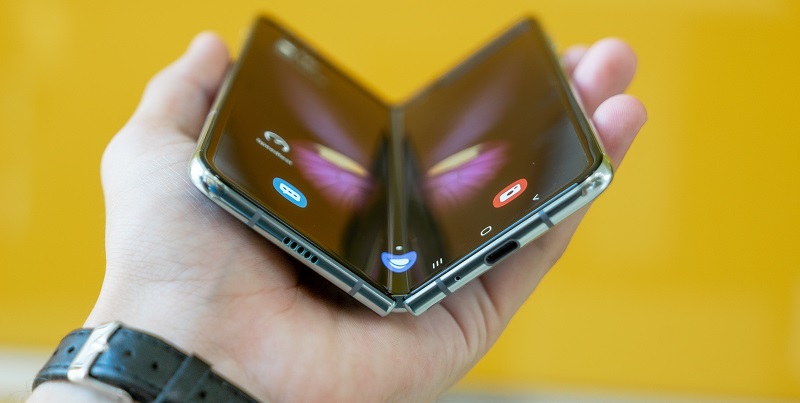
Samsung continues its commitment to enhancing device security by rolling out the August 2023 security update for the Galaxy Z Fold 3. Initially released in Puerto Rico, the update is now available to users in the United States. This marks a significant step in ensuring the safety and reliability of Samsung’s flagship foldable device.
Security Update for Factory Unlocked Versions
Expanding its security efforts, Samsung has also released the August 2023 security update for the factory unlocked versions of the Galaxy Z Flip 3, Galaxy Z Flip 4, Galaxy Z Fold 3, and Galaxy Z Fold 4. This move reinforces Samsung’s dedication to delivering consistent security updates across its foldable lineup, ensuring that users can access the latest security enhancements.
Firmware version for factory-unlocked Galaxy Z Fold 3
For users of the factory-unlocked version of the Galaxy Z Fold 3 in the US, the latest security update comes with firmware version F926U1UES4FWG7. By updating their devices, users gain access to the enhanced security measures provided by the August 2023 security patch.
Security patch details
The August 2023 security patch aims to address 74 security vulnerabilities present in the previous software version. By applying this update, users can rest assured that their Galaxy Z Fold 3 devices are protected against potential security threats and exploits. Samsung’s commitment to regularly addressing security vulnerabilities contributes to a safer digital experience for users.
Focus on security fixes
In this particular update, Samsung’s focus is primarily on addressing security fixes rather than introducing new features or performance enhancements. By doing so, the company ensures that user data and personal information are safeguarded from potential vulnerabilities that may compromise their privacy or system integrity.
Installation options for the update
To install the August 2023 security update on a factory-unlocked Galaxy Z Fold 3 in the US, users have two options. Firstly, they can check for the update by navigating to Settings, selecting Software update, and tapping on Download and install. This method offers a straightforward approach to updating the device’s security.
Alternatively, users can choose to manually flash the update. This involves downloading the new firmware file from the firmware database and using Samsung’s Odin tool on a Windows PC. Manual flashing provides a more hands-on approach and can be useful for advanced users or those who prefer to have more control over the update process.
Previous updates for the Galaxy Z Fold 3
Since its launch in the second half of 2021 with Android 11, the Galaxy Z Fold 3 has received significant updates to its operating system. In late 2021, users were greeted with the upgrade to Android 12, followed by the Android 13 update in the fourth quarter of 2022. These updates not only brought new features and improvements but also demonstrated Samsung’s commitment to providing a seamless user experience.
Future update expectations
Looking ahead, users can anticipate the Android 13-based One UI 6 update for the Galaxy Z Fold 3, slated for release later this year. This update is expected to introduce further advancements, features, and improvements to enhance the overall performance and usability of the device. As technology continues to evolve, Samsung strives to stay at the forefront, delivering updates that keep devices optimized and up to date.
Samsung’s rollout of the August 2023 security update for the Galaxy Z Fold 3 and factory-unlocked versions reflects the company’s ongoing commitment to prioritizing user security. By regularly addressing vulnerabilities with timely and comprehensive updates, Samsung ensures that users can trust their devices to provide a secure and dependable experience. Looking forward, users can eagerly anticipate upcoming updates, including the Android 13-based One UI 6, which will further enhance the capabilities and functionality of the Galaxy Z Fold 3. It is imperative for users to take advantage of these updates to maintain the highest level of security and enjoy the full potential of their devices.