

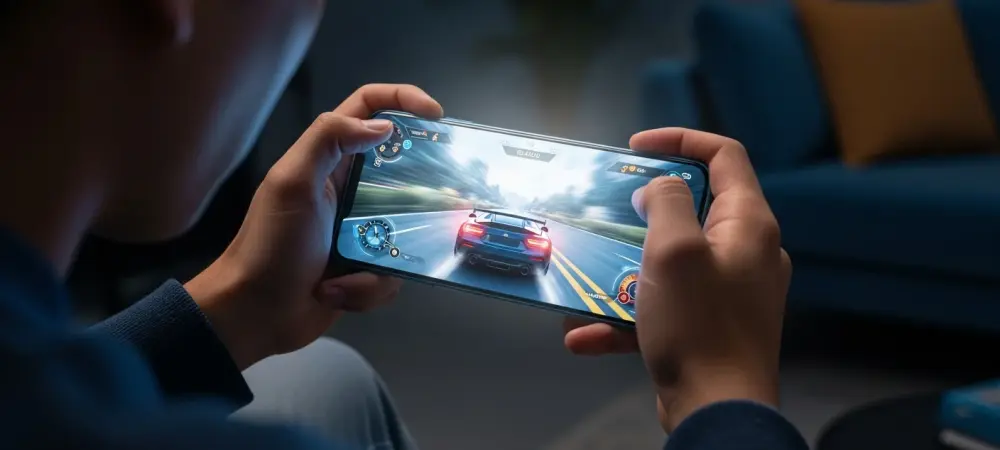
For years, the smartphone industry has been locked in a relentless pursuit of thinner designs and marginal performance gains, but a new class of device is emerging to challenge this paradigm by asking a fundamentally different question: what if your phone could simply last? The emergence of endurance-focused smartphones represents a significant shift in the mobile technology sector. This review will explore the evolution of this trend, its key features, performance metrics, and the impact it has on user expectations, using a rumored performance-oriented OnePlus device as a central case study. The purpose of this review is to provide a thorough understanding of this technology niche, its current capabilities, and its potential future development.
The Rise of the Endurance Smartphone
At its core, the endurance smartphone rejects the long-held belief that peak power and a slim profile are the ultimate goals of mobile design. Instead, it champions a new philosophy of balance, integrating high-end performance with extreme battery capacity to deliver sustained usability. This marks a clear market shift away from prioritizing fleeting benchmark scores toward achieving dependable, multi-day functionality.
A rumored device from OnePlus, potentially named the Ace 6 Ultra, serves as a prime example of this emerging category. By combining a top-tier chipset with a battery nearly double the industry average, it appears poised to carve out a new niche. This product sits strategically between mainstream flagships, which often compromise on battery for aesthetics, and dedicated gaming phones, which can be overly specialized for the average consumer.
Core Components of a New Breed
Unprecedented Battery Capacity
The foundation of this new device category is its power source, and rumors point to a massive 8,000mAh-class battery. This figure represents a monumental leap over current industry standards, promising to eliminate the daily charging ritual for many users. Such a large power cell fundamentally alters the device’s architecture, directly influencing its physical dimensions and weight.
The technical implications of housing such a battery are significant, requiring a re-evaluation of internal component layouts and material choices. Moreover, industry insiders suggest this is only the beginning, with future iterations potentially pushing the envelope even further to accommodate 9,000mAh cells. This forward-looking approach indicates a long-term commitment to making battery anxiety a relic of the past.
Next-Generation Display and Ergonomics
Complementing the immense battery is a display seemingly designed for prolonged engagement. Reports indicate a flat 1.5K LTPS panel with large, rounded corners and uniform bezels, creating an immersive, modern aesthetic. However, conflicting information exists regarding its size, with prototypes ranging from a more compact 6.59-inch screen to a larger 6.78-inch variant.
The larger display is also rumored to feature a fluid 165Hz refresh rate and a highly responsive ultrasonic in-display fingerprint sensor. These premium features are not merely for show; a high refresh rate enhances user experience during extended gaming or media consumption, while the flat panel design improves ergonomics for long sessions, making the device a practical powerhouse.
Performance and Advanced Thermal Management
Powering this endurance-focused experience is MediaTek’s rumored Dimensity 9500 chipset, a processor expected to deliver flagship-level performance. However, raw power is only part of the equation. To maintain high performance over extended periods, an upgraded cooling system is essential to prevent thermal throttling, a common issue where a device slows down to manage heat.
This commitment to sustained performance highlights a more holistic approach to hardware design. Speculation even points toward the future integration of a custom active cooling fan, a feature typically reserved for dedicated gaming hardware. Such an innovation would allow the device to push its performance boundaries even further, solidifying its position as a true endurance champion.
Emerging Trends in Smartphone Longevity
The development of devices like the rumored OnePlus model reflects a broader industry trend moving past the “thinness race.” For over a decade, manufacturers competed to produce the slimmest phone possible, often at the expense of battery life. Now, the focus is shifting to address a more pressing consumer demand: practical, all-day—and increasingly multi-day—power.
This shift is made possible by parallel advancements in key technologies. Improvements in battery density allow manufacturers to pack more power into a given space, while next-generation chipsets are becoming increasingly power-efficient. Together, these innovations are enabling the creation of devices that no longer force consumers to choose between high performance and long-lasting battery life.
Target Audience and Practical Use Cases
The appeal of an endurance-focused smartphone extends to several key demographics who demand unwavering reliability from their mobile devices. Mobile gamers, for instance, can engage in extended gaming sessions without being tethered to a power outlet. Frequent travelers and digital nomads can navigate multi-day trips without the anxiety of finding a charger.
Beyond these niches, power users and professionals also stand to benefit significantly. Those who rely on their phones for heavy multitasking, constant communication, and media consumption will find immense value in a device that can keep up with their demanding workflows from morning to night and beyond. The ability to confidently use GPS, stream video, and manage work on the go without constantly monitoring the battery percentage is a transformative advantage.
Design Compromises and Market Hurdles
Despite its clear advantages, this new category is not without its challenges. The most significant technical hurdle is the unavoidable trade-off in ergonomics. Housing a massive battery necessitates a device that is thicker, wider, and heavier than a typical flagship, a compromise that may not appeal to all consumers.
Furthermore, there are considerable market obstacles to overcome. The primary challenge will be convincing mainstream buyers to embrace a bulkier design in exchange for longevity. Manufacturers must also navigate a complex pricing strategy, positioning these devices to compete effectively against both sleek, traditional flagships and feature-rich gaming phones without alienating either market.
The Future of High-Endurance Mobile Devices
The potential success of this emerging category could inspire other manufacturers to adopt similar design philosophies, making multi-day battery life a standard flagship feature rather than a niche selling point. This would represent a fundamental realignment of industry priorities, placing practical user experience on par with raw performance metrics and aesthetic design.
Looking ahead, future breakthroughs in battery chemistry, such as solid-state technology, promise even greater energy density without the associated bulk. When combined with the mainstream adoption of advanced thermal solutions like vapor chambers and active cooling, these innovations will continue to shape the next generation of powerful, long-lasting mobile devices, making today’s endurance champions seem modest in comparison.
Final Assessment and Concluding Thoughts
The analysis of the endurance-focused smartphone trend, exemplified by the rumored OnePlus device, revealed a decisive shift in mobile technology priorities. It was clear that the industry was beginning to move beyond the singular pursuit of thinness and peak power, acknowledging a widespread consumer demand for practical longevity and sustained performance. This new breed of device successfully addressed the critical pain point of battery anxiety, which had plagued users for over a decade. The integration of massive batteries, efficient chipsets, and advanced thermal management created a product that offered tangible, real-world benefits. Ultimately, this emerging category had the potential to redefine market expectations and establish endurance as a key pillar of a true flagship experience.