

As the need for convenient and reliable cloud storage solutions continues to grow, Microsoft OneDrive emerges as a standout option for Android users. With its seamless integration, automatic file syncing, and robust functionality, OneDrive offers a superior experience compared to its competitors. In this article, we will explore the various features and benefits that make OneDrive the ultimate cloud storage solution for Android devices.
Automatic file syncing
Unlike Google Drive’s manual file uploading process, OneDrive simplifies the task by automatically syncing your designated folder with the cloud. This means that any file you save to your OneDrive folder is instantly uploaded and accessible from any device. Whether you’re working on your Android phone or tablet, your files are seamlessly and effortlessly backed up.
Seamless Mobile Access
With the OneDrive app installed on your Android device, accessing and editing files on the go becomes a breeze. Any changes made to your documents, presentations, or photos are automatically uploaded online, ensuring that the latest version is available across all your devices. This level of convenience allows for productivity from wherever you are.
Free storage option
OneDrive grants users a generous 5GB of free online storage, eliminating the need to pay for basic usage. This ample storage capacity allows you to store a significant amount of files, while also giving you the freedom to upgrade to higher storage options if necessary.
Integration with Microsoft 365
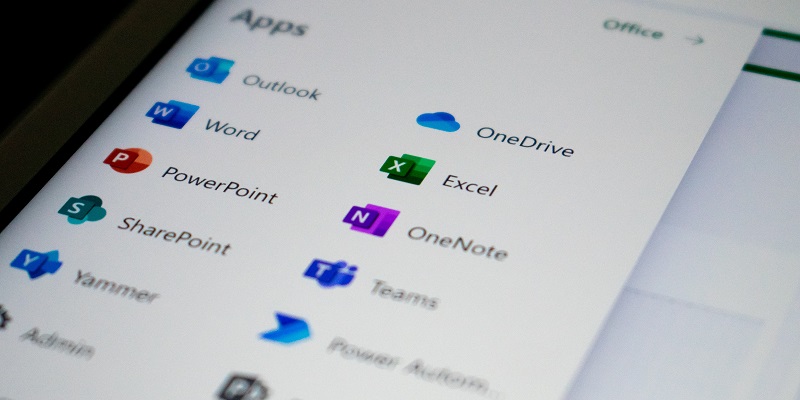
OneDrive’s integration with Microsoft 365 takes its functionality to the next level. Microsoft 365 is a comprehensive subscription-based office suite that encompasses apps like Word, Excel, and PowerPoint. By harnessing the power of Microsoft 365 alongside OneDrive, users can create, edit, and collaborate on documents seamlessly.
Full functionality on smartphones and tablets
One of the key advantages of using Microsoft 365 on an Android device is its near-full functionality. The suite of Microsoft 365 apps provides a comprehensive set of tools, enabling users to work with Word documents, create spreadsheets in Excel, and deliver impactful presentations with PowerPoint – all within their Android devices. This empowers users to unlock their full potential, regardless of the device they are using.
Additional Microsoft 365 features on mobile
Besides the core office applications, the Microsoft 365 app on Android provides access to a variety of other features. Users can manage their calendar, create to-do lists with Microsoft To Do, and jot down quick notes using OneNote Sticky Notes, all within a single, unified interface. This integration ensures that users can streamline their workflow and stay organized across different tools.
Synchronization between devices
Microsoft makes it incredibly easy to synchronize files, browse the web, and access the Office Suite seamlessly between smartphones and PCs. With the Link to Windows app, switching between your Android phone and Windows PC is effortless. This tight integration allows for a consistent user experience, regardless of the device being used.
Microsoft Launcher for Android
Microsoft Launcher acts as an overlay for Android, providing convenient access to your Microsoft account and its associated tools. By logging into your Microsoft account through the launcher, you can effortlessly access your calendar, documents, and other Microsoft services. This integration ensures a smooth and cohesive experience for Android users.
In conclusion, Microsoft OneDrive is the ultimate cloud storage solution for Android devices. Its automatic file syncing, seamless mobile access, and generous free storage options set it apart from the competition. Furthermore, the integration with Microsoft 365 and full functionality on smartphones and tablets make it a must-have for productivity on the go. With Microsoft Launcher and the Link to Windows app, Microsoft has created a seamless experience that allows users to effortlessly switch between their Android device and Windows PC. Embrace the power of Microsoft OneDrive and unlock the full potential of your Android device today.