

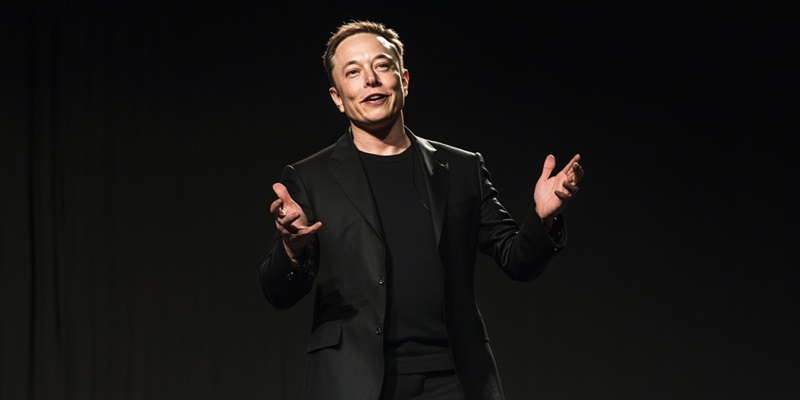
Elon Musk’s firm xAI has just launched Colossus, an AI training system that is poised to redefine the boundaries of artificial intelligence. As the most powerful AI training infrastructure to date, Colossus stands as a testament to rapid advancements in technology and Musk’s commitment to pushing the AI envelope.
The Unveiling of Colossus
A New Benchmark in AI Training
Colossus was introduced to much fanfare, setting a new industry standard with its unparalleled GPU (Graphics Processing Unit) capacity. Boasting 100,000 training cluster GPUs, Colossus surpasses existing models and shows promise to double this capacity to 200,000 GPUs in the near future. The rapid assembly and release of this system—achieved in just 122 days—highlight the project’s ambitious pace. This swift development timeline underscores not only xAI’s engineering prowess but also Musk’s relentless vision for accelerating AI advancements.
The exponential growth potential embedded within Colossus exemplifies the dynamic pace of AI technology. By setting a high benchmark, xAI aims to catalyze broader innovation across the industry. The significant leap from previous AI models speaks to the transformative impact that Colossus is expected to have. Researchers and developers now have access to an unprecedented level of computational power, enabling them to tackle more complex problems and push the boundaries of what AI can achieve.
Key Collaboration with Nvidia
Central to the development of Colossus was xAI’s collaboration with Nvidia, one of the world’s leading semiconductor chip manufacturers. This partnership was crucial in achieving the system’s advanced specifications. Nvidia’s chip, used in Colossus, is outfitted with 141 gigabytes of HBM3E memory and offers 4.8 terabytes per second of bandwidth. Despite the recent debut of Nvidia’s Blackwell chip, which outpaces the chip in several aspects, Colossus sits stoically as the current pinnacle of AI training systems.
Nvidia’s role extended beyond just providing high-end hardware; it also involved close coordination in optimizing the integration and performance of these chips within Colossus. The cooperative synergy between xAI and Nvidia illustrates a blueprint for future collaborations in the tech landscape. By leveraging Nvidia’s semiconductor expertise and xAI’s AI-focused vision, the partnership achieved a level of performance and efficiency that neither could have accomplished alone.
Technological Prowess
Comparative Advancements
When placed beside other models like OpenAI’s most powerful system, Colossus’s prowess becomes even more evident. OpenAI’s model employs 80,000 GPUs, which pales in comparison to Colossus’s superior GPU count. This disparity highlights the substantial technological leap that xAI has achieved with its latest system. OpenAI’s previous dominance in GPU capacity underscored their leadership, but Colossus redefines the metric for evaluating AI training systems.
Further illustrating Colossus’s technological superiority is its ability to handle more sophisticated and demanding AI models. The added GPU capacity allows for more intricate neural networks and larger datasets, accelerating the pace at which these models can be trained. This expanded capability opens doors for new applications and more accurate AI-driven solutions across various industries, from healthcare to autonomous vehicles.
Energy Efficiency and Power
Colossus isn’t just a powerhouse in terms of computational capacity; it also excels in energy efficiency. Nvidia, in congratulatory remarks, highlighted the system’s ability to maximize performance while minimizing energy consumption. This balance is increasingly crucial as AI systems become more integrated into various industries, demanding sustainability alongside raw power.
The energy-efficient design of Colossus aligns with broader industry trends focusing on sustainable computing solutions. As AI computations grow more demanding, the ecological footprint of these systems becomes a critical concern. Colossus sets an example by achieving high computational power without compromising on energy efficiency, making it a more environmentally friendly option.
Industry Impact and Reactions
Industry Buzz
The release of Colossus has stirred considerable excitement within the tech community. Industry leaders, including Cathie Wood, CEO of ARK Invest, lauded the system’s advancements and its potential impact on future technologies. Such recognition from prominent figures underscores the significance of Colossus in the current AI landscape.
The excitement surrounding Colossus also reflects the broader community’s readiness for the next big leap in AI capabilities. As AI continues to infiltrate various aspects of everyday life, the demand for more powerful and efficient training systems grows. Colossus’s introduction addresses this demand, offering a glimpse into the future of AI technology.
Market Implications
Colossus’s entry into the market forces other players to accelerate their innovation cycles, fostering a more competitive and fast-paced environment. This shift has ripple effects, encouraging collaborations and partnerships that drive the overall progression of AI technologies. Companies now need to rethink their strategies to keep pace with xAI’s advancements, resulting in a dynamic and rapidly evolving market landscape.
The introduction of Colossus also signifies a transformative moment for market dynamics, compelling competitors to reassess their technological roadmaps. As companies endeavor to match or exceed the capabilities of Colossus, they will need to invest more heavily in research and development. This increased investment will likely lead to a wave of new innovations, pushing the boundaries of what AI can do.
Future Endeavors of xAI
Aspiration for a Supercomputer
Looking ahead, Elon Musk has ambitious plans for xAI, including the development of a supercomputer projected to commence operations by fall 2025. Such an endeavor signifies a long-term commitment to staying at the cutting edge of AI technology. The planned supercomputer aims to extend the capabilities first demonstrated by Colossus, setting new benchmarks for computational power and efficiency.
The aspiration to build a supercomputer also reflects xAI’s strategic foresight in anticipating the future needs of the AI industry. As AI models become increasingly complex, the demand for more potent computing infrastructure will grow. By planning for a supercomputer now, xAI positions itself to meet these future demands head-on.
Strategic Partnerships
Strategically, xAI is forming partnerships with major tech firms like Oracle, which is expected to bolster their capabilities even further. These collaborations are essential for ensuring that xAI maintains its competitive edge in a rapidly evolving field. By aligning with other leading technology companies, xAI leverages external expertise and resources to drive further innovation.
Partnerships with established tech firms provide xAI with the support and resources needed to execute its ambitious projects effectively. Oracle’s involvement, for instance, offers significant advantages in terms of cloud infrastructure and computing resources, which are vital for large-scale AI initiatives.
Regulatory Landscape and Data Privacy
Advocacy for AI Regulation
Elon Musk has been vocal about the necessity of AI regulations. His advocacy for the passage of California’s Senate Bill 1047 reflects a desire to ensure that AI technologies develop safely and beneficially. This regulatory stance aims to mitigate risks associated with rapidly advancing AI capabilities.
Musk’s call for regulation also highlights the importance of setting industry standards that can guide the responsible development and deployment of AI technologies. By supporting bills like California’s Senate Bill 1047, he underscores the need for a regulatory framework that addresses ethical considerations, data privacy, and safety concerns.
Commitment to Data Protection
Elon Musk’s company, xAI, has rolled out Colossus, an AI training system that promises to set new standards in the realm of artificial intelligence. This new system is hailed as the most potent AI training infrastructure developed so far, symbolizing the rapid technological advancements of our time and Musk’s unwavering dedication to pushing the capabilities of AI.
Colossus isn’t just another tool, it’s a revolutionary leap forward that could transform industries, redefine efficiency, and enhance our understanding of AI’s potential. With Colossus, xAI aims to tackle some of the most complex challenges in AI development, further solidifying Musk’s reputation as a pioneer in tech innovation.