

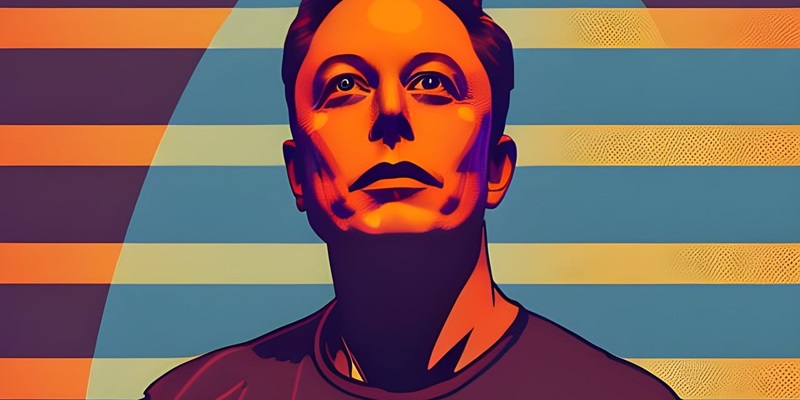
Elon Musk’s AI venture, xAI, is challenging the status quo with an unprecedented move by open-sourcing its advanced language model, Grok. This cutting-edge model surpasses others in terms of parameters and complexity, signaling a pivotal moment in the AI landscape. By releasing Grok for free, xAI aims to level the playing field, inviting developers worldwide to build upon and innovate with its technology. This significant step could potentially alter the dynamics of the AI industry, propelling it towards a more inclusive and collaborative future. Musk’s initiative has the potential to accelerate AI advancements, making powerful tools accessible to a broader audience and fostering a community where AI can evolve in directions previously unattainable under more proprietary models.
Grok’s Leap into Open-Source
The Significance of Grok’s Open-Sourcing
Elon Musk has made a profound impact on AI with the introduction of xAI’s Grok, a behemoth language model boasting 314 billion parameters. Grok excels in understanding and producing human language, pushing innovation by shattering entry barriers in the AI sector. Open-sourced under the Apache License 2.0, Grok invites extensive collaboration, allowing developers, academics, and companies to explore new possibilities and foster a competitive, dynamic AI landscape.
This move aligns with Musk’s vision of shared progress in AI, promoting open utilization and modification of Grok for diverse applications, including commercial use. By offering Grok as a community resource, Musk is sidestepping proprietary constraints, catalyzing advancements in AI and nurturing a culture of shared innovation that could redefine AI’s trajectory.
The Impact on AI Accessibility
The launch of Grok, an open-source AI model, has garnered significant attention, particularly from those aligned with Elon Musk’s vision for accessible AI. By allowing a wide range of users, including individuals and large enterprises, to participate, Grok could fuel an AI revolution. As developers worldwide contribute, we might witness AI advancements across industries such as healthcare and finance at a pace never seen before.
This open-access technology levels the playing field, enabling even small entities to tap into high-end AI, which could previously break the bank. The result is a potential boom in innovation as diverse minds tackle complex challenges, creating unique applications. Grok, being freely available, is set to drive a dynamic, more inclusive AI market landscape.
Grok’s Technical Aspects and Future Potential
Technical Highlights of Grok
AI enthusiasts are buzzing about Grok, a new model flexing technical muscle through innovative strategies like tailored weight application on tokens for enhanced processing. Developed on a custom platform rooted in JAX and Rust, Grok is an embodiment of efficiency, tackling parameter scales usually reserved for exclusive systems. It introduces avant-garde techniques, including GeGLU activations and sandwich normalization, cementing the project’s high ambitions and ensuring flexibility.
Musk’s influence is evident in the model’s focus on scalability and neural network efficiency. While xAI has made strides toward openness by sharing Grok’s documentation and code on Github, the full training data remains under wraps, likely to preserve a competitive advantage. Developers drawn to Grok’s potential will find a pioneering language model on Github that inspires innovation in AI applications while setting industry standards.
The Role of Open-Source in Competitive AI Landscapes
Grok’s entry into the AI market by xAI, backed by Musk’s stance on open-source and unbiased AI, is causing a stir. This move may force competitors to reassess their own offerings, possibly leaning towards more open models. Grok stands out for its lack of censorship and understanding of humor, reflecting a societal push for transparency and freedom in AI. As a result, companies may need to clearly communicate their technological advantages or consider a shift toward openness.
The impact of Grok goes beyond tech; it’s poised to shape ethical and operational AI norms. Its release could trigger a trend of accessible AI, steering governance discussions toward user-focused policies. Musk and xAI’s contributions through open-sourcing set a benchmark, sparking broader conversations about AI’s future trajectory.