

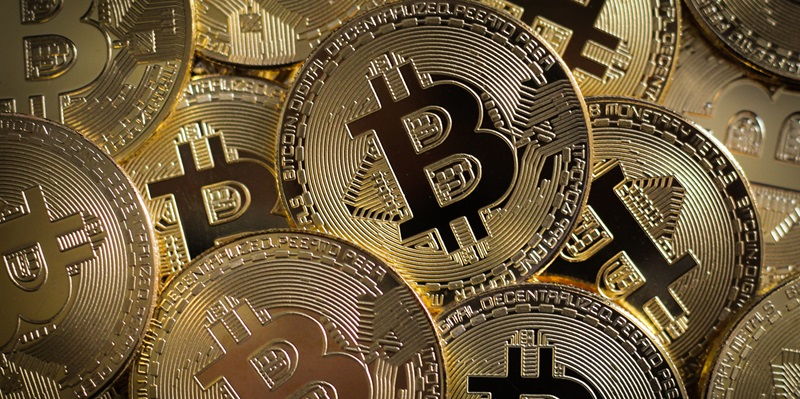
In 2021, El Salvador took a bold step under President Nayib Bukele by adopting Bitcoin as legal tender and initiating daily purchases of the cryptocurrency, amassing a total exceeding 2,000 BTC. This move positioned the nation at a pivotal moment of potential economic breakthrough or considerable risk, given the erratic nature of Bitcoin’s value. As El Salvador navigates this path, its experiment with Bitcoin stands as a critical test case in national cryptocurrency integration. The global community looks on, pondering whether this decision will fortify El Salvador’s financial stability or link its fortunes too closely to the uncertain tides of a digital asset known for its fluctuations. The outcome will either serve as an example of visionary leadership or a lesson in the perils of tying a country’s economic health to the cryptocurrency market.
Embracing Bitcoin: Economic Revolution or Risky Venture?
The very fabric of El Salvador’s economy is undergoing a radical transformation through the adoption of Bitcoin. This maneuver, led by President Bukele, epitomizes a pivotal wager—one that could either foster unprecedented wealth or propel the nation into a quagmire of financial vulnerability. The policy’s success hinges on Bitcoin’s inherently fluctuating price; a rise could vindicate Bukele’s strategy, while a decline could exacerbate economic woes. Advocates like Tim Draper extol the move as revolutionary, presenting a future where digital currency elevates nations. Conversely, skeptics underscore the risks associated with cryptocurrency’s instability, acknowledging the perilous waters El Salvador navigates.
Sustaining a bullish stance on Bitcoin, the government’s steadfast resolve is reflected in its daily purchases of the cryptocurrency. Substantial investments, now amounting to a noteworthy cache, underscore a long-term commitment that dismisses short-term market tremors. This approach could potentially nurture a climate of financial rejuvenation, positioning El Salvador as a haven for blockchain and fintech innovation. The country’s gamble on Bitcoin’s long-term escalation could either carve a path to a prosperous future or serve as a salient example of ambitious economic overreach.
From Poverty to Prosperity: Can Bitcoin Make El Salvador Rich?
El Salvador’s financial destiny may be transformed if Bitcoin’s value soars as it has in the past following halving events. This increase could significantly enhance the nation’s virtual reserves, offering a path to pay off debts, possibly even to big lenders like the IMF. Supporters of this digital investment are hopeful that it will lead to a prosperous era, potentially elevating the country to a vanguard position in the evolving fiscal universe.
Enthusiasts back President Bukele’s Bitcoin gamble, predicting that patience could yield a windfall, propelling El Salvador to economic liberation and prosperity. Such a scenario suggests a future where El Salvador thrives, possibly due to its early adoption of cryptocurrency, reshaping its financial landscape and setting a precedent for wealth generation through digital assets.
Beyond Speculation: Bitcoin’s Impact on Salvadoran Lives
The theoretical benefits of Bitcoin as an economic catalyst must be weighed against its tangible impact on Salvadorans’ lives. By incorporating Bitcoin into the national economy, El Salvador has already increased financial inclusivity, enabling the unbanked to partake in global digital transactions. The integration of Bitcoin is transforming the way Salvadorans manage remittances, reducing transaction costs substantially and fostering a more connected populace. This shift towards digital currency offers a glimpse into a future of democratized finance, where access is no longer bound by traditional banking barriers.
Nevertheless, it’s imperative to scrutinize whether the embrace of Bitcoin resonates with the general population. While transaction fees are minimized and financial inclusivity is on the rise, the understanding and utilization of Bitcoin vary widely across the country. Cryptojournalist Joe Nakamoto points out the varying degrees of adoption, suggesting the need for a comprehensive approach to cryptocurrency education among citizens. For Bitcoin’s potential to be fully harnessed, it’s essential that the implications and mechanics of cryptocurrencies are broadly grasped.
The Debate on Stability and Confident Bitcoin Reserves
El Salvador’s commitment to retaining its Bitcoin reserves is a critical factor in securing its economic future. Critics caution that selling off these reserves might undermine confidence in the country’s financial stability, as Bitcoin is integral to El Salvador’s economic strategy, akin to a digital sovereign wealth fund. Disposal of Bitcoin could be misconstrued as a retreat from the nation’s bold financial vision, potentially destabilizing its progress.
By holding onto Bitcoin, El Salvador not only shows faith in cryptocurrency but also asserts its fiscal independence from traditional monetary systems. The government’s stance suggests a deep-seated belief in Bitcoin’s role as a cornerstone of the country’s financial strength, despite its notorious volatility. This approach underlines the leadership’s vision of Bitcoin being pivotal in shaping El Salvador’s economic future.
Education: The Key to Unlocking Bitcoin’s Potential
El Salvador’s unwavering commitment to Bitcoin underscores the necessity for a populace well-versed in cryptocurrency. Understanding the capabilities and intricacies of Bitcoin is indispensable for Salvadorans to maximize the benefits of their government’s pioneering decision. Widespread knowledge and engagement are the cornerstones of any successful technological adoption, and cryptocurrency is no exception. For citizens to confidently navigate this new economic construct, a foundation of comprehensive education is pivotal.
Moreover, education on Bitcoin can mitigate apprehensions and misconceptions, cultivating an environment where users can make informed decisions. By empowering the population with the tools and understanding to leverage Bitcoin to its full potential, El Salvador can ensure the long-term viability of its economic strategy. The government’s role in facilitating this knowledge transfer is vital, as the country’s success in this domain hinges on the collective ability of its citizens to embrace and proficiently use Bitcoin.
International Standing and Future Prospects
Investing in cryptocurrency may place El Salvador at the forefront of financial innovation, appealing to international investors and technologists attracted by the nation’s pioneering spirit. Proposed “Volcano Bonds,” linked to El Salvador’s geothermal energy and Bitcoin, represent an avant-garde approach to economic growth. Such initiatives could cement El Salvador’s place on the global stage as a beacon of financial ingenuity, perhaps inspiring other nations to adopt similar endeavors.
El Salvador’s voyage into Bitcoin adoption has rippled beyond its borders, signaling to the rest of the world its ambition to become a nexus of digital currency advancement. As other nations observe, weighing the outcomes of such a bold step, El Salvador could either emerge as a trailblazer or cautionary tale in the grand narrative of national cryptocurrency integration. The success of its Bitcoin bet remains to be seen, but its influence on global financial strategies has already begun to take shape.