

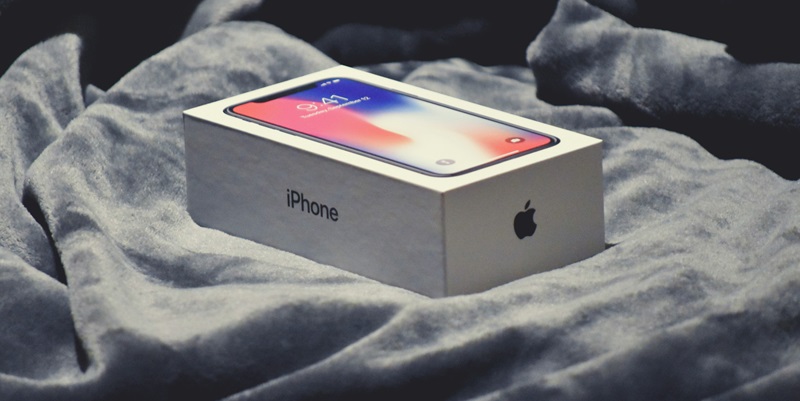
In an early and unexpected reveal, dummy units of the upcoming Apple iPhone 16 series have surfaced, showcasing notable design and size changes across the lineup. These non-functioning models, which include the iPhone 16, 16 Plus, 16 Pro, and 16 Pro Max, were displayed on the popular YouTube channel Unbox Therapy well before their scheduled 2024 release. The dummies are likely intended for case manufacturers in China, providing a sneak peek into what Apple enthusiasts can expect in the next iteration of iPhones. While these dummy units offer a glimpse into the physical dimensions and design elements, they are not definitive and some specific features remain unconfirmed. Despite this, the early look hints at several intriguing changes that could potentially define Apple’s next flagship devices.
Notable Design Tweaks Across the iPhone 16 Series
The base models, namely the iPhone 16 and 16 Plus, retain a similar width and thickness to their predecessors, the iPhone 15 series, but they feature a significant design throwback with the reinstatement of the iPhone X-style camera hump. This design choice could be seen as an attempt to blend classic elements with modern aesthetics, appealing to long-time Apple users as well as new customers. The new hump is positioned in a way that could potentially enhance camera functionality, although no specific details on camera specifications have been confirmed. Additionally, a new shade of pink for the base iPhone 16 model adds a fresh color option to the traditional deep black and white/silver finishes, diversifying the palette available to consumers.
The Pro models, iPhone 16 Pro and 16 Pro Max, exhibit more substantial changes. The 16 Pro dummy is 2.92mm longer than its predecessor, the 15 Pro, measuring approximately 149.72mm. This size increase could indicate a larger display or enhanced internal components, aimed at providing a more immersive user experience. While the exact reason for the increased length remains speculative, it is a clear departure from Apple’s usual incremental design changes. The introduction of an extra side-mounted button, speculated to be a dedicated Apple Intelligence switch, further distinguishes the new Pro models from their predecessors. This button is likely to offer new functionalities, enhancing user interaction and potentially integrating with Apple’s AI capabilities.
Unverified Yet Promising Speculations
Despite the detailed physical mock-ups, certain specifics about the iPhone 16 series remain unverified. One such speculation is the use of titanium in the new models. While Unbox Therapy’s presentation of the dummies couldn’t confirm this material change, it aligns with previous leaks and rumors suggesting that titanium could replace the stainless steel currently used in Pro models. This switch to titanium would ostensibly provide a more durable and lightweight frame, appealing to users looking for a premium feel without added heft. Another widely anticipated feature is the inclusion of the Apple A18 SoC across all iPhone 16 models. This new chip is expected to deliver superior performance, energy efficiency, and enhanced processing capabilities, reinforcing Apple’s position as a leader in smartphone technology.
Additionally, advancements in charging technologies are highly anticipated. The shift to USB-C and enhancements in MagSafe capabilities point to faster and more efficient charging solutions. These improvements could significantly reduce charging times, a critical feature as smartphones continue to demand more power. Despite these promising advancements, some concerns have been raised regarding battery capacities, particularly for the Pro models. Leaks suggest that the battery life may not meet heightened user expectations, contrasting with the other performance and design upgrades. The veracity of these claims remains to be seen, as confirmed details will only surface closer to the official release.
Enhanced Displays and Incremental Innovations
Despite the detailed physical mock-ups, certain specifics about the iPhone 16 series are still unverified. One such speculation involves the use of titanium in the new models. While Unbox Therapy’s presentation couldn’t confirm this material change, it aligns with previous leaks and rumors suggesting titanium could replace the stainless steel currently used in Pro models. This switch would ostensibly offer a more durable and lightweight frame, appealing to users desiring a premium feel without added weight. Another highly anticipated feature is the inclusion of the Apple A18 SoC across all iPhone 16 models. This new chip is expected to deliver superior performance, improved energy efficiency, and enhanced processing capabilities, reinforcing Apple’s leadership in smartphone technology.
Moreover, advancements in charging technologies are eagerly awaited. The shift to USB-C and improvements in MagSafe capabilities suggest faster and more efficient charging solutions, potentially reducing charging times significantly. This is a critical feature as smartphones increasingly demand more power. However, concerns have arisen about battery capacities, particularly for the Pro models. Leaks indicate that battery life may not meet elevated user expectations, conflicting with other performance and design upgrades. The truth of these claims remains uncertain until confirmed details emerge closer to the official release.