

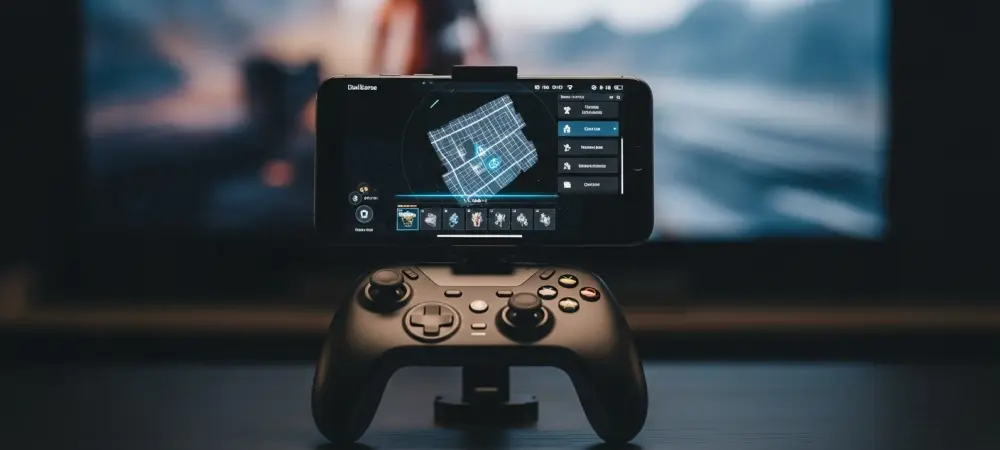
The seamless convergence of mobile processing power and dedicated console hardware has reached a critical juncture where the smartphone is no longer just a secondary distraction but a primary architectural component of the modern gaming experience. This evolution stems from years of experimentation with remote play and companion apps, moving toward a unified ecosystem where the peripheral and the personal device function as a singular unit.
Modern gaming demands higher levels of interactivity that traditional controllers, despite their haptic advancements, struggle to provide in isolation. By integrating the ubiquitous smartphone, the PlayStation interface transcends the limitations of fixed buttons. This shift acknowledges a broader technological landscape where hybrid control schemes permit more fluid transitions between deep, immersive sessions and quick, data-driven interactions.
Evolution of the PlayStation Interface and Mobile Synergy
The transition toward a mobile-integrated interface represents a strategic pivot from proprietary secondary screens to a more inclusive, user-owned hardware model. This approach leverages the massive installation base of high-performance mobile devices to expand the console’s capabilities without requiring consumers to purchase expensive, specialized hardware.
Furthermore, this synergy reflects a trend in the mid-2020s toward decentralized computing. By offloading specific interface elements to a device already optimized for touch and gesture control, Sony creates a more responsive and customizable environment. This move prioritizes the player’s existing tech stack, fostering a more sustainable and integrated gaming ecosystem.
Defining the Hardware and Software Architecture
Mechanical Integration and Physical Mounting
The core of this hardware synergy lies in a robust mounting system designed to eliminate the physical disconnect between the hands and the display. This mechanism secures the mobile device directly above the DualSense, creating a center of gravity that attempts to balance ergonomic comfort with visual accessibility. Unlike previous third-party solutions, this integrated approach ensures that the weight distribution does not lead to wrist fatigue during extended play.
The Smartphone as a Sophisticated Input Hub
Beyond mere structural support, the architecture treats the smartphone as a high-fidelity sensor array. High-resolution touchscreens offer a level of tactile precision that a standard touchpad cannot match, while mobile gyroscopes provide additional layers of spatial awareness. This setup transforms the mobile device into an active participant, offloading specific UI tasks from the console to the local hardware of the phone.
Current Trends in Hybrid Control and Secondary Displays
Market data suggests that modern consumers increasingly prefer multi-tasking environments where secondary information is immediately accessible without interrupting the primary game loop. The rise of specialized companion software indicates a departure from traditional handheld screens in favor of leveraging the high-end displays already in players’ pockets.
Moreover, developers are moving away from static menus toward dynamic overlays that exist outside the main television screen. This trend is driven by a desire to declutter the heads-up display, allowing for cinematic immersion on the primary monitor while maintaining high-speed access to tactical data on the controller-mounted device. This synthesis represents a pivot toward an open-ended control philosophy.
Practical Implementations in Next-Gen Gaming
Real-world applications of this integration allow for a more streamlined navigation experience, where real-time maps and inventory management are relegated to the smartphone screen. Instead of pausing the action to change equipment, a player might swipe through a visual inventory on the controller mount, maintaining the flow of combat. This functional split enhances the tactical depth of complex genres.
Unique use cases also extend to character creation and biometric integration. By utilizing the advanced optics of modern smartphones, games facilitate high-detail facial scans for custom avatars almost instantaneously. This method bypasses the need for expensive external cameras, using familiar mobile interfaces to bridge the gap between the player’s physical appearance and their digital persona.
Technical Hurdles and Adoption Barriers
Despite the conceptual brilliance, significant challenges remain regarding the physical weight of modern flagship phones, which can make the controller feel top-heavy. Furthermore, the fragmentation of the smartphone market introduces compatibility issues; ensuring a seamless software experience across various operating systems requires a level of standardization that is difficult to achieve in a non-proprietary environment. Technical limitations such as battery drain and data latency also persist as primary concerns. While low-latency wireless protocols have improved by 2026, the simultaneous demand on both the controller and the phone batteries can limit the duration of untethered sessions. Ongoing development efforts focus on optimizing data transfer between the devices to minimize lag and ensure responsiveness.
The Future of Synthesized Gaming Environments
Looking forward, this integration is poised to become a cornerstone of the PlayStation 6 ecosystem, potentially serving as a gateway for more advanced augmented reality features. By using the smartphone’s camera to overlay digital information onto the physical room, Sony could create a mixed-reality environment that extends the game world beyond the edges of the TV.
The long-term impact on digital interaction likely involves a move toward decentralized input methods where the controller is a modular concept rather than a fixed object. As mobile hardware continues to evolve, the distinction between console gaming and mobile utility will likely vanish, leading to a synthesized environment where the player’s personal device acts as the primary key to their entire gaming identity.
Final Assessment of DualSense Mobile Integration
The transition from traditional, static peripherals to synthesized input methods represented a bold acknowledgment of the smartphone’s dominance in digital life. This integration successfully bridged the gap between high-performance console power and the versatile utility of mobile sensors, offering a glimpse into a more flexible gaming future. The technology provided a practical solution for interface clutter and deepened player immersion through secondary displays. Ultimately, the DualSense mobile integration proved that hardware innovation was no longer about adding more buttons but about expanding the ecosystem of available inputs. While physical constraints like weight and battery life remained points of contention, the overall impact on the industry was significant. It paved the way for future advancements in mixed reality and personalized gaming, setting a new standard for how players engaged with complex digital environments.