

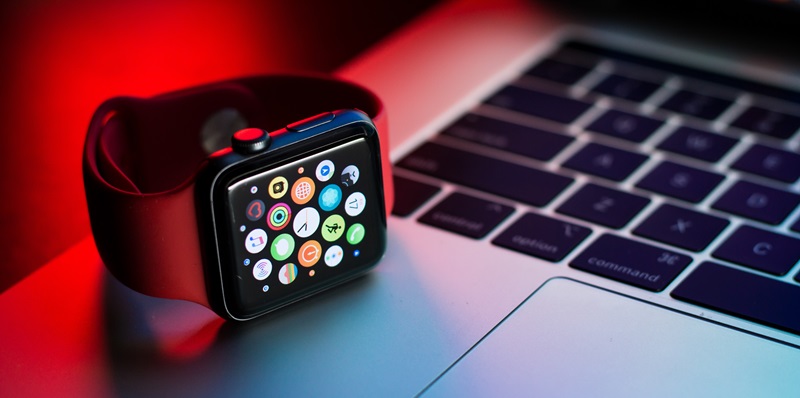
In the ever-evolving world of wearable technology, Apple continues to push the boundaries with its innovative products. One such advancement is the introduction of the Double Tap gesture on the Apple Watch. This gesture aims to reduce reliance on touch-based interactions, enhancing the usability of the watch’s tiny screen. In this article, we delve into the intricacies of Double Tap, examining its initial impressions, purpose, limitations, intuitiveness, potential for improvement, and its role in the overall Apple Watch interface.
Initial impressions of Double Tap
Having had the opportunity to use Double Tap for several days, it became clear that while it had potential, there were evident areas for improvement. Personal experiences, both during the trial period and the preview phase, left many users, including myself, desiring more customization options and additional improvements.
Understanding the purpose of Double Tap
At its core, Double Tap is designed to supplement primary gestures such as tapping the screen, twisting the Digital Crown, and dictating Siri commands. Rather than replacing these established actions, Double Tap offers an alternative for situations where touching or talking to the watch may not be viable. It becomes essential to identify scenarios where Double Tap could be useful, ultimately maximizing its potential.
Limited usage of Double Tap
Despite understanding the purpose of Double Tap, there is a personal observation that its usage remains relatively infrequent. Exploring the reasons behind this limited usage reveals two potential explanations. Firstly, it could simply be attributed to the lack of encountering enough situations that call for Double Tap. Secondly, this limited usage could stem from Double Tap not yet feeling intuitive enough for users to adopt it seamlessly into their daily interactions.
Lack of intuitiveness in Double Tap
Intuitiveness plays a crucial role in the success of any new technology or feature. While the concept of Double Tap seems logical in theory, there is doubt regarding its intuitiveness in practice. Fully embracing this new gesture requires further refinement in its implementation to ensure users can effortlessly incorporate it into their routines.
To improve the usability of Double Tap, there are several aspects that need to be addressed. One significant issue is the delayed responsiveness of the gesture, which hinders its effectiveness. Users expect an immediate response when interacting with their devices, so reducing any delay is crucial. Additionally, users desire customization options that allow them to tailor Double Tap to their individual preferences, thus maximizing its value and relevance in their daily lives.
Double Tap in the context of the overall Apple Watch interface
Double Tap, alongside the Action button and widgets, represents Apple’s efforts to make the Apple Watch more intuitive and easy to interact with overall. When viewed as part of a comprehensive user interface, Double Tap takes on a more significant role. Its integration with other features creates a cohesive and seamless experience, demonstrating Apple’s commitment to user-centric design and improving the overall Apple Watch experience.
In conclusion, the introduction of Double Tap on the Apple Watch showcases Apple’s ongoing dedication to enhancing user experiences. While the gesture shows potential, there are areas that require further development. The addition of more customization options and improvements to its responsiveness would significantly enhance the usability of Double Tap. Ultimately, Double Tap, when combined with other features, presents a step towards making the Apple Watch more intuitive and user-friendly. As technology continues to advance, Apple’s commitment to refining and improving the Apple Watch experience ensures that users can expect exciting developments in the future.