

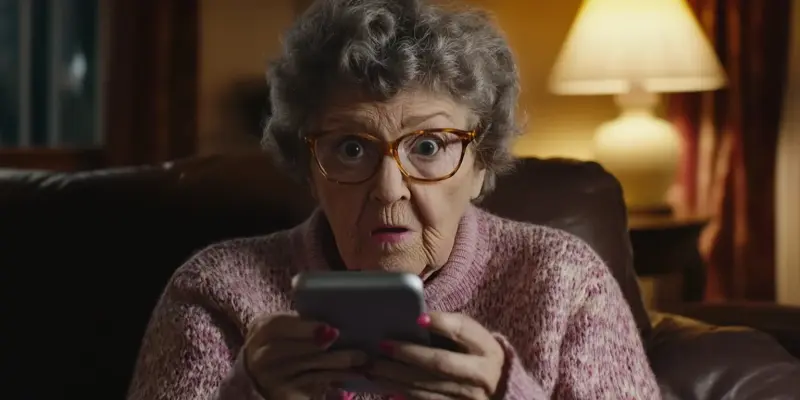
Technological advancements have made it easier for various demographics to stay connected, but the elderly often find themselves left behind due to the complexities of modern smartphones. Addressing this issue, Doro has announced three new feature phones tailored specifically for senior citizens: the Leva L10, Leva L20, and Leva L30 models. These devices are designed with simplicity and ease of use in mind, ensuring that senior users can communicate effectively and safely. The focus is on features that enhance usability without overwhelming the user with extraneous functions.
User-Friendly Features
Ease of Use
The new Doro Leva phones are engineered to be user-friendly, especially for seniors who may not be as tech-savvy as younger generations. The large, tactile keyboards are a standout feature, providing audio confirmation for each keystroke to ensure accuracy. This makes it easier for users to dial numbers and send text messages without errors. The buttons are well-spaced and require less force to press, reducing strain on the fingers. The phones also come with adjustable font sizes, making it easier for seniors with vision impairments to read text on the screen.
In addition to the user-friendly keyboards, the Doro Leva phones include features that cater to the specific needs of elderly users. The built-in cameras allow for simple photo-taking, which can be useful for capturing important moments or sharing images with family and friends. They also come equipped with FM radios and weather forecasting capabilities, providing entertainment and practical information at the touch of a button. The IP54 rating ensures that these phones are resistant to dust and water splashes, adding to their durability and making them suitable for various environments.
Call Clarity and Hearing Aid Compatibility
Another crucial aspect of the Doro Leva phones is their emphasis on call clarity and volume. All models are equipped with HD voice technology, which enhances the quality of phone calls by reducing background noise and making voices sound clearer. This is particularly beneficial for seniors, who may have hearing difficulties and need better sound quality to communicate effectively. Additionally, the phones are compatible with hearing aids, ensuring that users with hearing impairments can still make and receive calls without any issues.
The different models offer various display sizes to suit individual preferences. The Leva L10 comes with a 2.8-inch display, providing ample screen real estate for viewing texts and images. For those who prefer flip phones, the Leva L20 and Leva L30 models feature a 2.4-inch display. The L30 also includes an external display that shows notifications and caller ID, allowing users to see important information without flipping open the phone. This added convenience can be particularly useful in situations where quick access to information is necessary.
Emergency Assistance and Availability
Doro’s Signature Assistance Button
One of the most significant features of the Doro Leva phones is the inclusion of Doro’s signature assistance button. This button is a lifesaver, literally and figuratively, as it sends an alert with the user’s GPS location to up to five trusted contacts in the event of an emergency. This feature provides an added layer of security and peace of mind for both the user and their loved ones. In a potentially dangerous situation, the user can quickly and easily summon help, ensuring that assistance arrives promptly.
The GPS functionality also allows caregivers to monitor the user’s location, which can be invaluable for seniors who may have cognitive impairments or are prone to wandering. This feature can help prevent dangerous situations and provide reassurance to families who want to ensure the safety of their elderly relatives. By incorporating this technology, Doro demonstrates its commitment to creating devices that genuinely meet the needs of senior users.
Pricing and Distribution
The Doro Leva phones are set to hit the market by the end of January, with pricing structured to accommodate various budgets. The Leva L10 will be available for £79.99, the Leva L20 for £99.99, and the Leva L30 for £109.99. This range of prices makes the devices accessible to a wide audience, ensuring that seniors from different financial backgrounds can benefit from these user-friendly phones. While specific release dates for the United States and Australia have not yet been confirmed, Doro plans to distribute these models through various retailers and networks, making them widely available.
The absence of support for external apps like Facebook, WhatsApp, or YouTube may seem like a limitation, but it actually simplifies the user experience. These feature phones are designed for individuals who need basic communication tools without the distractions and complexities of a smartphone. This makes them ideal not only for senior citizens but also for tech-averse users who prefer straightforward devices. Interestingly, the simplicity and minimalist design of feature phones are gaining popularity among younger users as well, who seek to take a break from the constant connectivity of modern life.
Conclusion
Practical and Accessible Communication Tool
Technological advancements have made it easier for different age groups to stay connected, but seniors often struggle with the complexities of modern smartphones. Recognizing this issue, Doro has introduced three new feature phones designed specifically for elderly users: the Leva L10, Leva L20, and Leva L30 models. These phones are crafted with simplicity and ease of use as top priorities, ensuring senior citizens can communicate efficiently and securely. The emphasis is on providing essential features that enhance usability without burdening the user with unnecessary functions. These models are equipped with large, easy-to-read screens and buttons, clear sound quality, and straightforward navigation menus. Additionally, they come with emergency call buttons and other safety features, ensuring seniors can access help quickly if needed. By focusing on user-friendly design, Doro aims to bridge the digital divide for seniors, enabling them to stay connected with family and friends without the frustrations often associated with more complex smartphones.