

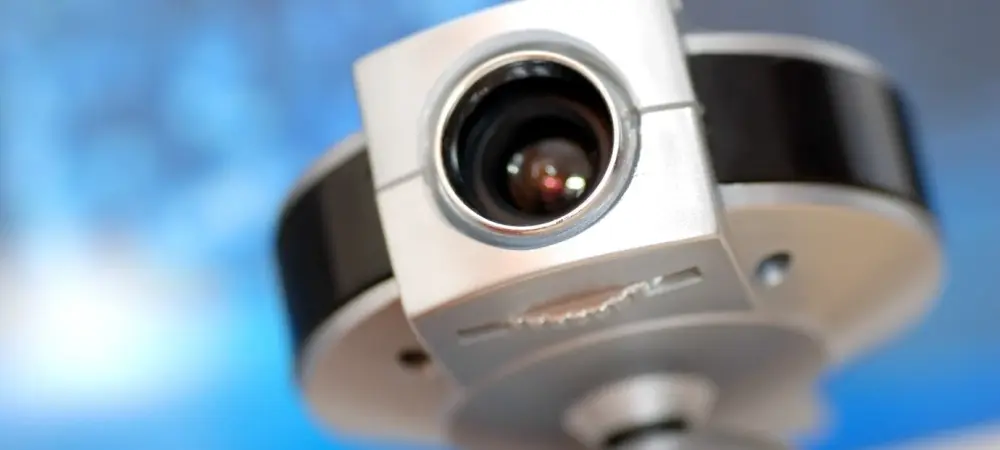
In today’s tech-centric era, the humble webcam is at a crossroads. As laptops upgrade their built-in cameras and smartphones become filming powerhouses, one burning question remains: Is there still a place for the external webcam? This straightforwardly presented conundrum enlightens the ongoing discussion about the necessity and relevance of external webcams in our lives.
Navigating the Rapid Evolution of Webcam Technology
The surge of remote work and virtual communication has propelled webcam technology into the spotlight. Webcam manufacturers have responded by rapidly enhancing the quality of built-in options. As a result, laptop cameras now boast impressive resolutions, often matching those of external devices. Simultaneously, the emergence of superior software enhancements offers users clearer images, sophisticated background blurring, and smooth motion tracking—features once reserved for external webcams. This swift evolution raises questions about the investment value in external options, especially as technology adapts faster than ever.
Smartphones as Worthy Contenders
As smartphones continue to produce astounding video quality, more individuals are considering their phones as potential webcam substitutes. Apple users, for instance, benefit significantly from the Continuity Camera feature, allowing seamless integration between iPhone cameras and Mac devices. Android and Windows users can also utilize third-party applications to transform their phones into makeshift webcams. Despite the ingenuity of this solution, challenges exist, including the need for optimal phone positioning and ensuring devices remain charged during extended video calls.
Scenarios Where External Webcams Still Shine
While the improvements in built-in webcams and smartphones are impressive, external webcams still hold their ground in specialized scenarios. Professionals in virtual client meetings or online workshops may require the enhanced clarity that a high-quality external webcam offers. Moreover, content creators, particularly those involved in live streaming or vlogging, often prioritize video quality to stand out in a saturated digital market. External webcams excel in offering superior autofocus, low-light performance, and advanced microphone capabilities, making them indispensable tools in certain professional settings.
Strategizing Webcam Choices for Specific Needs
Deciding whether to invest in an external webcam hinges on individual requirements. Users should consider their specific activities and environments—simple video chats versus professional presentations—before making a choice. For those leaning toward the versatility of smartphone cameras, equipping oneself with proper stands and checking battery levels can alleviate common issues. Conversely, for users deciding on an external webcam, prioritizing features such as adjustable mounts, autofocus, and audio quality can lead to a more satisfying experience.
The landscape of webcam technology holds varied options for users with differing criteria. As the digital world grows more integrated, individuals must evaluate their needs and align them with available webcam solutions. Future developments may further change preferences and requirements, but understanding the current landscape allows for informed decision-making. As technology relentlessly advances, the path toward efficient, high-quality video communication remains a dynamic journey, requiring adaptability and informed choices.