

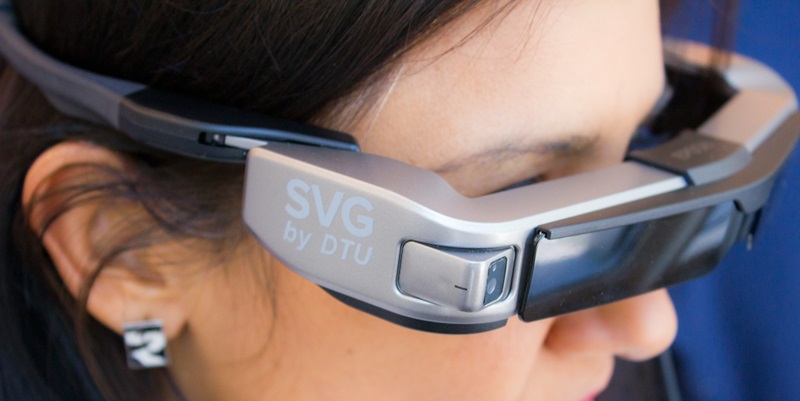
A study by the University of Haifa, headed by Dr. Tal Krasovsky, has yielded interesting results on using smart glasses while walking. They observed that individuals wearing smart glasses walked about 20% slower compared to those using mobile phones. This slowdown is concerning, particularly in urban settings where slower walking could hinder the ability to cross streets safely within allotted times, raising the chance of accidents.
Even more troubling is the study’s indication that gait stability is compromised when using smart glasses. This implies an increased risk of tripping and falling, as users engrossed in digital content might overlook real-world obstacles. As stable and responsive walking is essential, especially in unpredictable, real-life situations, the implication is clear: smart glasses may inadvertently endanger users by creating a disconnect between their attention and their environment.
Reading Efficiency and Cognitive Load
When it came to reading efficiency, the outcomes proved to be less than favorable for smart glasses. Users demonstrated slower reading speeds and decreased comprehension abilities as opposed to when they were interacting with a mobile phone. These findings signal that not only is there an impact on physical performance, but cognitive functions, such as reading and information processing, are considerably taxed when using smart glasses.
Moreover, those using smart glasses reported a significant increase in mental workload. This aspect of the study challenges the general assumption that smart glasses facilitate an enhanced multitasking experience. Instead, it suggests that digesting information through this medium may actually be more mentally straining than other methods. The equipment, intended to improve user experience by integrating digital content into the physical world seamlessly, may inadvertently result in cognitive overload, thereby negating the very advantages it aims to provide.
Evaluating the Pros and Cons of Smart Glasses Adoption
Reflection on Technological Progression
The research from Dr. Krasovsky’s team provides valuable insight into the holistic impact of smart glasses. The idea that technology such as smart glasses represents a step forward in wearable computing is put into question when considering the adverse effects on users’ mobility and cognitive performance. It appears that while smart glasses offer a futuristic appeal and present many potential advantages, their practical applications may be overshadowed by the risk of compromising user safety and efficiency.
This study does not dismiss the potential of smart glasses; however, it calls for a more cautious and balanced viewpoint. As with any innovative technology, the allure of novelty must not overshadow critical assessment and the need for safety-oriented designs. Before these devices become integrated into the fabric of daily life, particularly in activities demanding a high degree of interaction with the physical environment, it is imperative that their benefits and detriments are thoroughly considered.
The Need for Further Research and User-Centric Design
In deciphering the future of smart glasses, a key takeaway from this Israeli study is the urgency for continuous research and evaluation. The technology must evolve in a manner that addresses safety concerns and optimizes user experience without imposing excess cognitive demands. It is crucial that designers and developers heed the feedback provided by studies such as this and strive to create smart glasses that enhance, rather than impede, everyday activities.
The path forward involves striking a delicate balance—technology that adds value to our lives without introducing new hazards. This calls for an imaginative and user-focused approach to the design of wearable computing, ensuring that enhancements in this field genuinely make life more convenient and safer. As smart glasses continue to develop, it will be essential for the dialogue between technological innovation and user safety to guide their trajectory toward successful integration into society.