

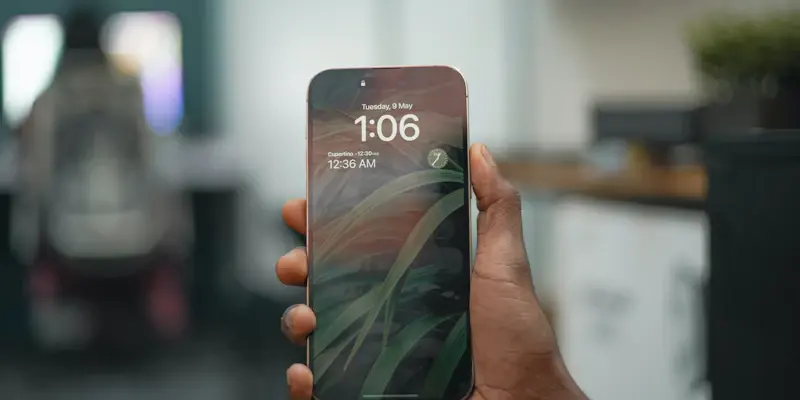
Our smartphones bombard us with a host of notifications every single day, and anything that helps to sift through and prioritize those alerts can be really helpful—anything like the iPhone’s ability to use custom vibrations for specific contacts, for example. Getting this feature set up allows you to differentiate calls even before checking the screen, knowing instantly if an incoming call is from someone important. While custom ringtones and text tones are relatively well-known features, fewer people seem aware of custom vibrations on the iPhone, making it a hidden gem in the vast functionalities the device offers.
To set up custom vibrations, open the Contacts app on your iPhone, select someone from your list, then tap on Edit in the top right corner. This screen offers various customization options, including changing the stored information like address and cell number, and more importantly, setting up custom vibrations. This process is straightforward and surprisingly flexible, giving you the ability to tailor the vibration pattern to your liking.
Next, choose whether to set the vibration for calls or texts by selecting Ringtone or Text Tone. Select Haptics to set the vibration patterns used—either choose from the preset options or opt to Create New Vibration. Here, creativity meets technology. By pressing and lifting your finger on the screen, you can tap out the vibration pattern you want to use. The interface, reminiscent of Morse code, allows for dots and dashes to create a unique pattern. You can keep tapping until the time runs out or stop early to finish the recording.
Once recorded, you can replay the vibrations to ensure they match your desired pattern. If not satisfied, simply record a new one. After finalizing the vibration, tap Save and assign a name for easy identification later. Confirmation is achieved by tapping Save again. The new pattern will now appear as an option whenever you modify haptics settings for a particular contact, and you can create as many custom vibrations as needed. This means that you can have one for family members or different ones for friends and colleagues, depending on your requirements.
While custom vibrations are an essential hidden feature, the customization doesn’t end there. Once inside the Edit screen of a contact page, you can personalize even more settings if your phone isn’t set to vibrations only. For instance, tap Ringtone to access a selection of preset jingles provided by Apple. By tapping any entry on this list, you can hear how it sounds and if it fits your liking. If none of the preset options tickle your fancy, you can go to the Tone Store, where a vast array of jingles—ranging from famous music to movie soundtracks—awaits your browsing.
For customizing alerts that accompany incoming messages, tap Text Tone. Similar to ringtones, Apple offers a selection of preset text tones that you can test out. Additionally, the Tone Store provides extra sounds, including ones inspired by pop culture icons like R2-D2 from the Star Wars movies. While these might not be everyone’s cup of tea, they offer a myriad of choices for those wanting a truly unique phone experience.
One can even set a custom ringtone, albeit the process is quite involved and not detailed here. Apple’s official guide provides comprehensive steps for those interested in setting up personalized jingles for calls and texts. But whether you choose to delve deep into these features or stick to preset tones, customizing your iPhone alerts brings a genuinely personal touch to your device.
Custom vibrations and ringtones let you add a personal touch to your iPhone, distinguishing the sounds it makes in a crowd and letting you know who’s calling or texting without even looking at the screen. Whether you choose a subtle buzz for family members or a famous movie theme for close friends, these features provide a tactile level of personalization. This makes your smartphone experience both intuitive and user-friendly.
Beyond convenience, these customizations are also beneficial for accessibility, providing different tactile cues to help recognize important calls without scrambling for your phone. Features like these highlight why iPhones remain leaders in usability and user-centric design.
Next time you open your Contacts app, take some time to explore these hidden features. Custom vibrations and tones not only make your phone unique but also optimize it for better usability. This depth of customization, often overlooked, underscores the thoughtfulness in iPhone design, enhancing user experience practically. Embrace these features to make your life easier and more personalized.