

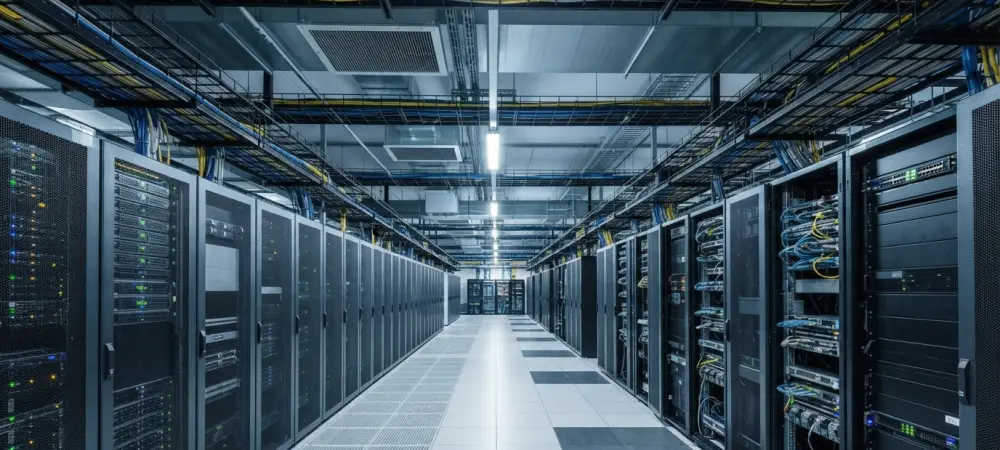
Modern data centers utilize sophisticated virtual models to synchronize digital workloads with physical cooling capacities and power distribution units. By creating a high-fidelity virtual mirror of the physical environment, operators can now visualize the complex interactions between high-density server racks and sophisticated cooling systems in real time. This dynamic environment allows for the testing of new configurations and the assessment of cooling efficiency before any physical hardware is actually deployed on the data center floor. As the industry grapples with the immense energy demands of modern artificial intelligence and increasingly stringent global sustainability mandates, these digital assets have become a vital blueprint for resilience. They provide a comprehensive view of operations, enabling teams to optimize designs and maintain performance in a high-stakes market.
Financial Advantages: Enhancing Economic Viability
Implementing digital twin technology offered a clear economic upside for data center operators looking to maintain their competitive edge in a saturated market. According to recent industry research, the implementation of these virtual models accelerated the creation and setup of new projects by as much as 60%. Furthermore, digital twins reduced overall construction and operational costs by approximately 15% by identifying design flaws before they reached the physical stage. In an industry where infrastructure decisions have multi-decade consequences and where downtime is prohibitively expensive, the ability to “test drive” various hardware configurations provided a significant economic advantage. By identifying potential bottlenecks in power delivery or cooling capacity during the initial design phase, companies avoided the expensive retrofits that frequently occurred with traditional methods. This efficiency allowed for faster capital recycling and improved the overall sustainability of the facility.
Despite these clear financial advantages, a notable adoption gap persisted among major infrastructure providers and corporate data center managers throughout the current period. While a majority of technology leaders expressed interest in exploring digital twin initiatives to improve their efficiency metrics, only 42% of data center decision-makers successfully integrated these tools into their daily operations. This discrepancy suggested that many in the industry still perceived these tools as internal simulation software rather than essential operational assets that drove long-term value. However, as facilities became more complex to accommodate new power-hungry computing clusters, the cost of sticking with traditional management methods began to outweigh the initial investment required for digital twin integration. Companies that successfully bridged this implementation gap were better positioned to scale their infrastructure rapidly. They leveraged real-time data to manage the lifecycle of their equipment more effectively than their competitors.
Technical Complexity: Simulation and System Integration
The data center industry navigated a convergence of technical challenges caused by the rapid expansion of AI-driven workloads and increasingly strict environmental regulations. Traditional management tools, such as static models and complex spreadsheets, were no longer sufficient to manage the density of modern power and cooling requirements. Digital twins bridged this gap by providing a precise, real-time replica of the physical facility, allowing operators to run “what-if” scenarios that would be dangerously expensive to perform in a live production environment. By simulating these scenarios, operators optimized resource allocation and accelerated the time-to-market for new capacity without compromising the stability of existing systems. This virtual environment allowed for the precise tuning of airflow and power distribution, ensuring that high-performance servers operated within safe thermal limits. This approach was critical for maintaining uptime while simultaneously pursuing ambitious green energy targets.
A recurring theme in modern data center management was the problematic separation between Information Technology and Operational Technology departments. Traditionally, IT teams focused on compute and networking while OT teams managed the physical infrastructure like power and cooling systems. Digital twins acted as a unifying layer that exposed the hidden interdependencies between these two domains, allowing teams to work from a shared virtual model. For example, a simulation could reveal how a regional power grid failure might trigger a thermal shutdown in a specific server aisle due to the delay in cooling system failover. By creating a holistic digital model, operators ensured that physical infrastructure and digital workloads remained synchronized. This eliminated the false sense of readiness that often plagued facilities, allowing for a more coordinated response to environmental or mechanical emergencies as they arose.
Operational Resilience: Workforce and Performance Assurance
Despite the clear technological benefits, human capital remained a significant barrier to the widespread use of digital twins in the 2026 fiscal year. There was a global shortage of experts who possessed the multidisciplinary skills required to deploy and manage these systems, especially as server densities increased. In the United Kingdom, for example, 58% of data center operators struggled to fill critical technical roles, while 40% found it difficult to retain their core staff members. This “revolving door” of talent made it difficult for companies to upskill their internal teams to the level necessary to direct complex facility simulations. Additionally, many AI-driven initiatives failed to meet their expected return on investment due to poor system integration. Only about 25% of AI implementations achieved their projected financial goals, highlighting the need for a more integrated and strategic approach to data infrastructure that goes beyond simply acquiring new simulation software.
Digital twins were essential for disaster recovery and the verification of service level agreements throughout the current year. By simulating equipment malfunctions and cooling failures in a controlled environment, operators identified and addressed critical gaps in their recovery procedures before they could manifest as real-world crises. This capability proved vital as infrastructure scaled to meet the exponential growth of demand for high-density artificial intelligence. Moving forward, it was concluded that facilities must prioritize the integration of real-time telemetry from both hardware and environmental sensors to maintain the accuracy of their virtual models. Organizations were encouraged to establish cross-departmental training programs to bridge the gap between IT and facility management. These models offered a layer of transparency for customers, providing tangible proof of uptime and performance capabilities that fostered long-term trust in an increasingly competitive global market.