

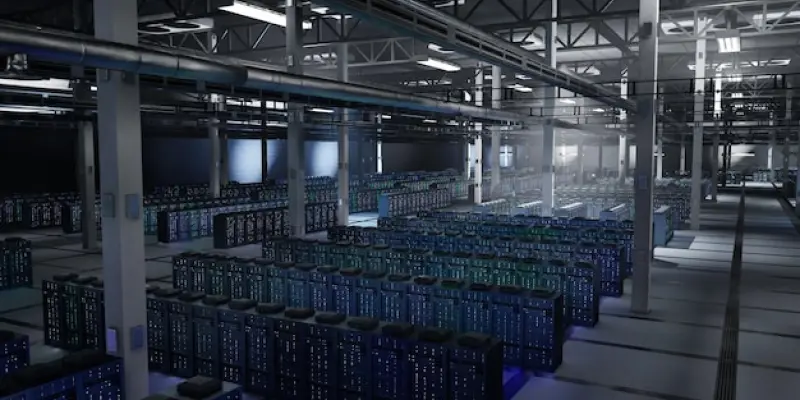
Digital Realty’s strategic decision to evolve Charlotte, North Carolina, into a prominent digital hub signifies a transformative shift in the technology landscape of the region. By pursuing zoning approval to repurpose 156 acres on the previous industrial site at Moores Chapel Road, the company seeks to construct a massive data center campus. This ambitious project envisions developing up to three million square feet of data center space in two significant phases, including two large two-story buildings specifically designed for data operations. Building 1 is set to cover about 570,880 square feet per floor, while Building 2 aims for an expansive 785,480 square feet per floor. Their combined capacity is projected to support a data load of up to 400 megawatts. This reflects an overarching trend of repurposing industrial spaces into digital ones, a movement currently reshaping Charlotte’s economic and technological identity.
Emphasizing Digital Infrastructure
Digital Realty’s bold investment in Charlotte’s data infrastructure underscores a broader industry recognition of the city’s increasing importance as a digital epicenter. This is further demonstrated by a series of recent strategic land acquisitions, including a 48-acre parcel and additional parcels near its existing premises. While the details regarding these new acquisitions have not been fully disclosed, the move clearly indicates an anticipation of substantial growth in data storage and telecommunications needs. Historically reserved for warehousing and industrial activities, this area is now poised to become central to innovative data solutions, reinforcing Charlotte’s role in the fast-paced world of data management. The notion that Charlotte can serve as a foundational pillar for comprehensive data services resonates with major tech firms, echoing similar investments by industry giants like Google, Microsoft, and PowerHouse.
A Strategic Pivot in the Region
The extensive growth in Charlotte is part of a broader initiative by leading tech companies to lay lasting foundations in strategic regions across America. Digital Realty’s choice of Charlotte aligns with an industrial strategy aiming to leverage the area’s advantageous geographic and economic landscape. The city’s emerging reputation as a potential digital infrastructure hub has already drawn significant interest from global tech giants. These advancements highlight the dynamic evolution of the telecom and data sectors, with Charlotte poised to become a center for digital integration in the area. Looking forward, Digital Realty is set to play a crucial role in shaping the future of data innovation, setting the scene for developments that may redefine the digital world in North Carolina and further. As Digital Realty proceeds with plans for the Charlotte data center campus, the region looks forward to a thrilling era of digital transformation, promising technological breakthroughs that could drive business efficiency.