

The silent hum of data flowing through underground fiber optics and cellular towers is currently undergoing a profound transformation as telecommunications infrastructure evolves into a cognitive, self-aware system. While the global conversation has largely centered on centralized artificial intelligence giants, a more quiet and localized revolution is taking place within the literal wires and masts that connect the world. The traditional role of telecommunications companies as simple conduits for data is quickly fading, replaced by a new identity where the network itself acts as a sentient entity. Deutsche Telekom is at the forefront of this metamorphosis, embedding intelligence directly into the architecture of its 6G strategy to ensure that the infrastructure of the future understands the data it carries.
Beyond the Bit Pipe: The Dawn of Distributed Intelligence
The days of telecommunications providers serving as passive “bit pipes” are rapidly coming to an end as the demand for smarter connectivity grows. Currently, the industry is witnessing a shift where the network is no longer just a highway for information but a sophisticated processor of intent and context. By integrating artificial intelligence into the core of its operations, Deutsche Telekom is moving toward a model where connectivity is inseparable from intelligence. This evolution ensures that the network can adapt to the specific needs of various applications, ranging from simple messaging to the complex requirements of high-speed industrial automation. This shift represents a fundamental change in how the value of a network is measured, moving away from simple throughput toward cognitive capability. As intelligence becomes distributed throughout the infrastructure, the network gains the ability to manage itself and optimize performance in real-time. This transition allows for a more personalized user experience, where the infrastructure anticipates needs rather than merely responding to requests. The result is a seamless environment where the digital and physical worlds are linked by a layer of hidden intelligence that operates invisibly behind every interaction.
Why the Current Cloud Model Hits a Speed Limit
The primary hurdle for the next generation of technological advancement is not merely a lack of processing power, but the physical constraints of distance. Current AI models depend heavily on massive, centralized data centers that are often located hundreds of miles away from the end user. This physical separation creates latency, a micro-delay that remains unnoticeable during a standard web search but becomes catastrophic for precision-based technologies like remote surgery or self-driving delivery vehicles. As autonomous machines become a standard part of the urban landscape, the need for immediate, localized processing becomes a critical requirement for public safety and operational reliability. By decentralizing processing power and moving it to the network edge, providers can deliver the instantaneous response times that centralized clouds cannot physically achieve. This “Edge Intelligence” model ensures that data is processed as close to the source as possible, reducing the time spent traveling through the network. This architecture not only enhances performance but also improves the efficiency of data handling by filtering unnecessary information before it ever reaches a central hub. For industries that rely on split-second decision-making, this move toward the edge is the only viable path for future scalability.
Transforming Infrastructure into a Planetary Nervous System
The transition from 5G to 6G represents a departure from simple data transport toward a philosophy of environmental awareness and integrated sensing. Unlike any generation before it, 6G is built with “sensing” as a core capability, allowing the network to gather data directly from the radio signals it broadcasts. This innovation essentially turns the entire infrastructure into a radar-like system that can detect movement, density, and physical changes without the need for additional cameras or external sensors. By interpreting these signals, the network gains a profound understanding of its physical environment, acting as a sensory organ for the digital world.
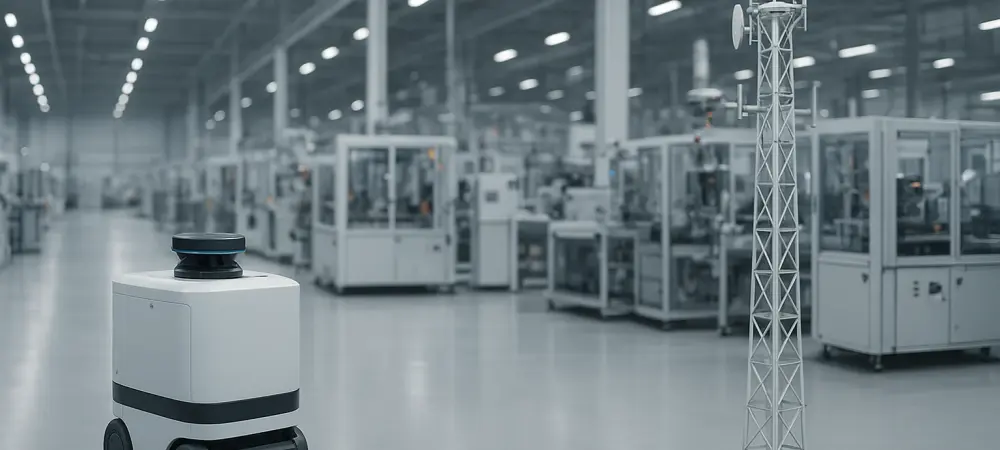
This sensory data allows for the creation of high-fidelity “digital twins” of physical environments, such as smart cities or automated factories. These digital replicas enable AI systems to model various scenarios, predict traffic congestion, and optimize energy usage before any physical changes are made. Furthermore, this connectivity is essential for the rise of physical AI and mobile robotics. By utilizing advanced “network slicing” techniques, carriers can provide dedicated, ultra-stable communication lanes that guarantee the low-latency performance required for autonomous machines to navigate public spaces safely and predictably.
Expert Perspectives on the Post-Smartphone Era
Industry leaders, including figures such as Telekom Deutschland CEO Rodrigo Diehl, suggest that the era of the mobile interface as a tactile, screen-based experience is nearing its conclusion. The future of interaction is expected to move toward “intent-based” services where the primary way users engage with technology is through vocal commands and ambient context. In this vision, wearable AI agents—integrated into glasses, earphones, or other discreet devices—will anticipate user requirements based on habits and situational data. This requires a network that is not only always-on but also completely invisible to the user.
Beyond the interface, there is a significant strategic value in localized data processing and sovereignty. In a global landscape that is increasingly fragmented, keeping data processing within local network boundaries provides a crucial layer of security and regulatory compliance. Experts emphasize that by maintaining data within specific jurisdictions, carriers can offer a level of trust and privacy that centralized, international hubs often lack. This localized approach is particularly vital for sensitive industrial applications and personal information, where the physical location of data processing is as important as the security of the encryption itself.
Strategies for Achieving a Fully Autonomous Network
Building an intelligent future requires a total reimagining of how networks are constructed and maintained. Deutsche Telekom is currently utilizing machine learning algorithms to streamline the rollout of physical infrastructure, such as fiber optics. By analyzing vast amounts of geographic and demographic data, AI can determine the most efficient paths for cables, reducing both the time and the cost associated with large-scale deployments. This data-driven approach ensures that infrastructure is placed where it is needed most, optimizing the return on investment while expanding coverage more rapidly. The path toward fully autonomous network operation also involves the implementation of self-healing systems that can identify and fix faults before they impact the user. These systems use real-time customer-experience data to adjust network resources dynamically, ensuring that the connection remains stable even during peak demand. This orchestration must bridge the gap between different technologies, such as fiber, 5G, and 6G, creating a “network of networks” that feels like a single, unified entity. The industry prioritized the development of standardized protocols to ensure that these diverse systems could communicate without friction. Stakeholders recognized the importance of moving toward an architecture that favored localized intelligence over centralized control. Researchers focused on creating energy-efficient AI models that reduced the carbon footprint of massive data processing at the edge. These efforts established a foundation for a world where connectivity functioned as a reliable and intelligent utility.