

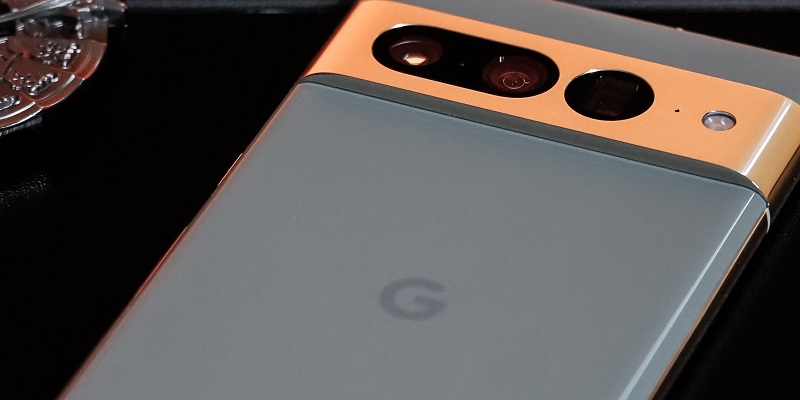
In this comprehensive review, we delve into the Google Pixel 7A, a smartphone that has impressed users with its sleek design, impressive camera capabilities, and striking resemblance to the pricier Pixel 7. Let’s explore the device’s strengths and areas where improvements can be made.
Google’s Software Updates
Google has been well-regarded for its commitment to providing timely software updates for its Pixel phones, even years after their release. This dedication ensures that Pixel devices stay fresh, with the addition of new features and enhanced functionality. Users can rely on Google’s ongoing support to keep their devices up-to-date.
Anticipation for the Pixel 8
As rumors swirl about the Pixel 8, expectations for Google’s next-generation phone are steadily rising. The success of the new device will largely depend on its price, as well as any compelling new features incorporated into its design. Until more details are unveiled, it is advised to wait for the next major product launch before making any purchasing decisions.
Timing of Purchase Decision
Given Google’s reputation for introducing exciting features and advancements in its Pixel lineup, it’s often advisable to wait for their next major product launch before making a purchase. Waiting ensures that potential buyers have access to the most recent technology and improvements, maximizing their investment in a Pixel device.
Size and Screen Quality of the Pixel 7A
The Pixel 7A presents users with a 6.1-inch screen that strikes the perfect balance between portability and ample viewing space. Its size allows for comfortable one-handed use without sacrificing the immersive experience of a larger display. However, some users have noted that the screen may appear dimmer outdoors, which can be a downside for those who frequently use their phones in bright environments.
Battery Life of the Pixel 7A
The battery life of the Pixel 7A is deemed adequate but not remarkable. It performs on par with other devices, including the more expensive Galaxy S23 series. While it works well for everyday usage, heavy users or those who rely heavily on their smartphones for extended periods may find themselves needing to recharge more frequently.
Camera Performance of the Pixel 7A
The Pixel 7A boasts an impressive 64-megapixel main camera that captures sharp, vibrant, and detailed photos. Google’s camera software algorithms work their magic, producing stunning images that rival even more expensive flagship models. However, the device may struggle slightly with sharpness and clarity when capturing groups of people in dimly lit indoor settings.
Google’s Ongoing Feature Releases
One of Google’s key strengths lies in its continuous release of new features for its Pixel phones over time. Users can expect their devices to keep pace with the latest trends and advancements in technology, ensuring the Pixel remains fresh and relevant long after its release. This commitment to innovation adds value to the overall user experience.
The Google Pixel 7A stands as a solid device with its sleek design, powerful camera system, and resemblance to the pricier Pixel 7. However, it is important to consider factors such as the device’s screen visibility outdoors, battery life, and the potential for future feature releases from Google. As the next major product launch approaches, waiting to make a purchasing decision may allow for access to the most up-to-date technology and a more satisfying user experience.