

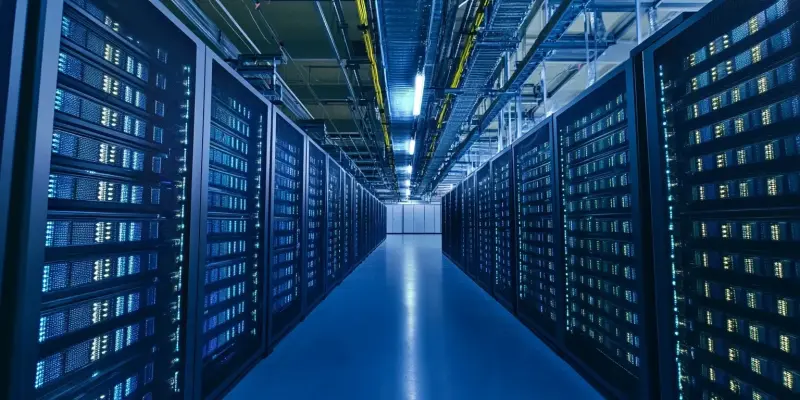
The debate over the proliferation of data centers in Ireland is intensifying, highlighting a conflict between economic aspirations and the urgent need for environmental sustainability. This discussion features robust viewpoints from individuals like Rosi Leonard and Garry Connolly, each presenting compelling arguments for and against further data center development. As the presence of data centers grows, their impact on Ireland’s economy, energy infrastructure, and environmental goals becomes increasingly contentious. The two sides of the argument provide deep insights into whether this technological push aligns with the country’s broader objectives.
Concerns About Energy Consumption and Environmental Impact
Rosi Leonard argues vehemently against the expansion of data centers, citing substantial increases in electricity consumption since 2015, with data centers now demanding 21 percent of Ireland’s electricity. This figure starkly contrasts with the European average and poses significant challenges to Ireland’s energy infrastructure and environmental goals. Leonard emphasizes the need for a transition to renewable energy sources to lower emissions and tackle high energy costs. However, the growing energy demands of data centers threaten to undermine these efforts, as projections show that data centers may consume over 30 percent of Ireland’s electricity in the next decade.
Leonard emphasizes that the proliferation of such facilities is a significant hindrance to the national transition toward renewable energy sources. She asserts that the increased demand for electricity by data centers outstrips all the additional wind energy generated between 2017 and 2023. This surge threatens to counteract efforts aimed at reducing emissions and building a cleaner, more resilient energy system. According to Leonard’s projections, the next decade could see data centers consuming over 30 percent of Ireland’s electricity demand, exacerbating the challenges the nation faces in managing its energy resources efficiently and sustainably.
Government Actions and Economic Implications
Criticizing the government’s approach to managing data center development, Leonard points out the lack of coordinated planning and the conflicts arising with other critical infrastructure needs, including housing and public services. The government’s strategy appears reactive, often passing the burden to local councils and state bodies without a comprehensive plan in place. This disjointed approach results in bottlenecks, such as the pressure EirGrid faces in Dublin, which necessitated restrictions on data center developments due to the strain on the grid.
On the economic front, Leonard questions the promised benefits of data centers, particularly concerning job creation. Despite claims of economic gains, the tangible increase in employment opportunities appears marginal, especially with the rise of artificial intelligence reducing the need for human labor. Leonard underscores the failure to deliver on job promises as previous Ministers for Trade have yet to specify the number of jobs created once these data centers become operational. The unchecked focus on serving a single industry while neglecting other community needs, Leonard argues, is fundamentally unjust.
Economic Necessity and Technological Advancements
Conversely, Garry Connolly makes a compelling case for the continued development of data centers, underlining their importance for modern society and the economy. Connolly equates data to essential utilities, emphasizing the critical role data centers play in processing the vast amounts of information generated daily. He highlights the economic transformation driven by foreign direct investment and the nurturing of knowledge workers in Ireland. These sectors, including pharmaceuticals, finance, life sciences, and ICT, have propelled Ireland from an agricultural economy to a data-driven powerhouse, significantly contributing to its global standing in digitally delivered services.
Connolly credits foreign direct investment and the development of knowledge-based sectors as driving Ireland’s transformation into a data-driven economy. Ireland’s strong global position in digitally delivered services is, according to Connolly, significantly bolstered by the presence of data centers, which signal the country’s openness to FDI. The economic benefits of these facilities extend beyond the immediate jobs they create, fostering a diverse ecosystem of digital innovation and maintaining Ireland’s competitive edge in the global market. This economic framework ensures continued investment and development, sustaining Ireland’s growth in the increasingly digital world.
Synergy Between Data Centers and Renewable Energy
Connolly argues that data centers can support Ireland’s renewable energy goals. Cloud Infrastructure Ireland (CII) suggests that data centers can underwrite the development of new renewable energy projects by providing the financial certainty needed for investment, thus creating a symbiotic relationship that benefits both sectors. This potential synergy could contribute significantly to decarbonizing Ireland’s energy grid, aligning economic motivations with environmental objectives. Connolly’s perspective highlights the opportunity for data centers to not only coexist with renewable projects but actively drive the adoption and expansion of green energy solutions.
Despite challenges such as inconsistent power policy and grid capacity issues, Connolly believes that innovation and the continued development of digital infrastructure are crucial for maintaining Ireland’s competitive edge. He cautions against the risk of losing talent and investment to other countries if digital infrastructure doesn’t keep pace with global trends. Drawing an analogy to Ireland’s success in rugby, Connolly suggests that similar focus and grassroots efforts on developing digital infrastructure can ensure robust performance. Leveraging abundant natural renewable resources, Ireland can harness and export digital products and services, positioning itself competitively in the fifth industrial age.
Balancing Growth and Sustainability
The ongoing debate surrounding the surge of data centers in Ireland underscores a significant conflict between economic progress and urgent environmental sustainability needs. The discussions are enriched by strong viewpoints from individuals like Rosi Leonard and Garry Connolly, who present compelling arguments both for and against the continued development of data centers. As data centers become more common, their impact on Ireland’s economy, energy infrastructure, and environmental goals is increasingly hotly debated. Proponents argue that data centers drive economic growth by creating jobs and attracting tech companies. Conversely, critics highlight their substantial energy consumption and environmental strain, questioning whether this technological advancement aligns with national sustainability goals. Both sides of the argument provide valuable insights into whether the expansion of data centers fits within Ireland’s broader objectives for a sustainable future, making this an essential issue for policymakers to navigate carefully.