

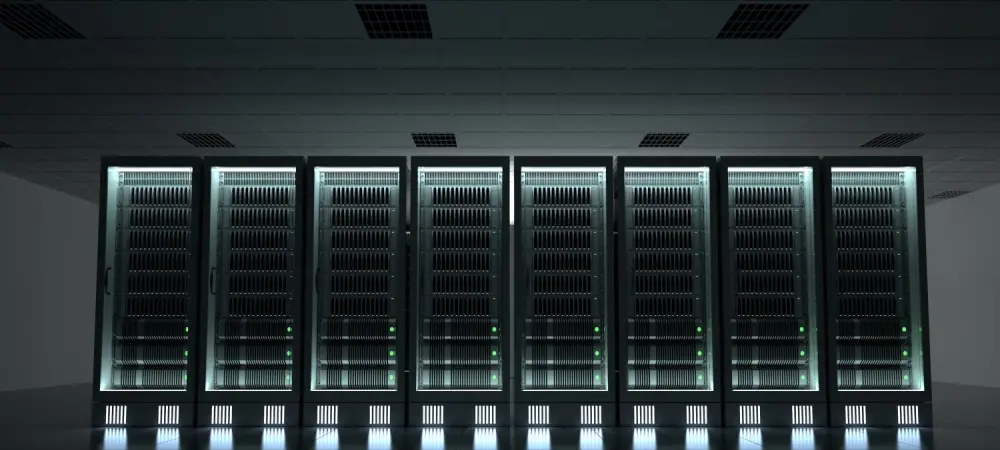
Organizations striving to effectively manage their critical infrastructure have found two notable solutions: Data Center as a Service (DCaaS) and colocation. These options offer relief from the complex operations of establishing and maintaining physical data centers, allowing companies to focus more on strategic initiatives. While both methods aim to simplify the burden of data center management, they do so through distinct approaches that cater to varying business needs. Understanding the nuanced differences is essential for businesses to align with the option that best supports their operational goals and technological requirements.
Exploring the Distinct Features of DCaaS and Colocation
Comprehensive Services with DCaaS
DCaaS represents a paradigm shift in how businesses engage with data center infrastructure, offering managed services that encompass not only physical space but also server infrastructure and associated operational tasks. This approach is akin to a packaged solution, enabling organizations to reap the benefits of infrastructure management without the need to directly handle hardware or networking complexities. By integrating these elements, DCaaS provides a streamlined experience reminiscent of public cloud offerings but with enhanced private hosting advantages. This framework particularly appeals to businesses valuing simplicity, allowing for easy scalability as needs change. The allure of DCaaS lies in its ability to offer enhanced control and customization compared to traditional public cloud solutions. Users appreciate the flexibility to configure hardware, networking, and power settings according to specific requirements, without sacrificing the ease of management. This balance between convenience and control is increasingly strategized as companies face the challenges of rapid technological advancements and fluctuating demand. DCaaS also facilitates organizations in optimizing costs, as the operational responsibilities associated with server management and maintenance are transferred to the service provider, allowing more predictable expenditure alignment with business priorities.
Colocation: Tailored Space for Custom Solutions
Colocation stands as an option for businesses preferring more direct involvement with their hardware and infrastructure setup. By offering physical space and essential facilities like power within a third-party managed data center, colocation enables companies to maintain ownership and control over their servers and networking equipment. This model is advantageous for those possessing existing server infrastructure or requiring specialized hardware configurations that a one-size-fits-all DCaaS might not support. It grants the ability to utilize unique hardware while ensuring reliable power and environmental conditions managed by a colocation provider.
The strength of colocation lies in its ability to accommodate specific hardware requirements, offering greater leverage for customization when compared to DCaaS. With colocation, organizations can retain autonomy, assembling and operating their server setups according to individualized preferences, rather than relying on predefined configurations. This autonomy is crucial for enterprises with proprietary technology or applications demanding tailored environments. Furthermore, colocation providers often offer scalability options and security measures that enable businesses to grow and adapt without needing to expand internal infrastructure capacities. This option supports long-term growth while safeguarding sensitive data and systems.
Strategic Considerations in Choosing the Right Data Service
Weighing Control and Convenience
The decision between DCaaS and colocation hinges significantly on the level of control and convenience a business seeks regarding its data management approach. DCaaS offers a manageable, integrated framework that aligns well with companies prioritizing time efficiency and reduced complexity. By entrusting infrastructure management to DCaaS providers, organizations can enjoy reliable service delivery without the direct operational burdens, allowing more focus on core competencies. Moreover, DCaaS providers typically ensure standardized networking and hardware configurations, ideal for those seeking cohesive solutions that integrate well across various business functions.
Conversely, companies that emphasize personalized control over hardware and infrastructure might find colocation more appealing. This option provides the flexibility to design and execute entirely customized configurations, critical for sectors such as finance or healthcare, where specific regulatory and compliance standards dictate technology usage. The capability to manage proprietary hardware in a secure, dedicated space allows businesses to leverage existing technology investments and innovate without the limitations imposed by standardized service offerings. Furthermore, colocation enables organizations to directly address and respond to emerging technological trends and challenges with greater agility and precision.
Assessing Future Scalability Needs
Scalability remains a pivotal factor in selecting between DCaaS and colocation. DCaaS typically provides built-in scalability options, allowing businesses to increase capacity and resources as demand grows without needing substantial physical expansions. This elasticity is beneficial for companies experiencing rapid growth or fluctuating peak times, as it offers straightforward adaptability. Additionally, DCaaS supports this growth with minimal upfront costs and infrastructure investments, presenting an attractive solution for emerging firms looking to optimize technology expenditure while maintaining flexibility.
On the other hand, colocation services supply a different yet robust scalability pathway that focuses on expanding within existing frameworks. As businesses grow, colocation providers can offer additional space, power, and cooling to support extra servers and hardware. This model rewards those who already possess scalable infrastructure, allowing them to build upon a solid foundational setup. Companies favoring customizable upgrades and direct hardware expansion will find colocation’s approach aligns well with their long-term strategic vision. It enables gradual, intentional expansion without hastening operational changes, essential for sectors with stable infrastructure and technology ecosystems.
Tailored Choices for Distinct Organizational Needs
Optimal Alignment with Business Strategy
The choice between DCaaS and colocation should be closely aligned with an organization’s overall business strategy and technology roadmap. Evaluating existing infrastructure, desired control levels, and anticipated growth trajectories will reveal which method provides the best support for future developments. Organizations that emphasize agility, rapid deployment, and minimal management overhead might lean towards DCaaS, leveraging its comprehensive services to integrate across technological and operational boundaries seamlessly.
Meanwhile, businesses that have invested in proprietary technologies or specialized hardware often prefer the customizability inherent in colocation setups. By reinforcing existing technologies with infrastructure managed externally, they can achieve precise control over their resources. This approach benefits organizations with clear, long-term expansion plans or those in specialized industries requiring granular configuration capabilities. Ultimately, aligning the technological approach with overall business goals ensures optimal resource utilization, driving operational efficiency and sustained growth.
Conclusion: Engaging a Tailored Approach
Businesses aiming to ensure effective management of their critical infrastructure have discovered two key strategies: Data Center as a Service (DCaaS) and colocation. These solutions provide a welcome relief from the intricate and resource-demanding operations of building and running physical data centers. By adopting these methods, companies can allocate more time and resources to strategic endeavors, rather than getting mired in the complexities of data center management. Although both DCaaS and colocation share the objective of simplifying data center oversight, they employ differing methods tailored to diverse business needs. DCaaS offers a cloud-based service model where businesses manage their digital needs without physically owning hardware, whereas colocation allows companies to place their equipment in third-party data centers. To maximize value from these options, it’s crucial for companies to grasp these subtle distinctions, ensuring they align their choice with their operational goals and technological demands, ultimately supporting their growth and efficiency.