

Imagine a world where digital infrastructure not only powers cutting-edge technologies like artificial intelligence but also champions sustainability on an unprecedented scale, marking a significant step toward a connected future. This vision took a tangible step forward with the groundbreaking ceremony for Data4’s new data center campus in Hanau, Germany. Held at the site of a former military base in Großauheim, this event marked the launch of a transformative project poised to redefine Europe’s technological landscape. With a staggering €2 billion ($2.37 billion) investment by Data4, a Brookfield-owned company, the campus promises to be a cornerstone of digital innovation while prioritizing environmental responsibility. The ceremony underscored the project’s significance, drawing attention from industry leaders and local stakeholders alike.
Event Highlights: Launching a Digital Powerhouse
The groundbreaking event in Hanau brought together key figures from Data4, local government, and the broader tech community to celebrate the start of construction for a 180MW data center on a 25-acre plot. This ambitious facility, acquired by Data4 in recent years, represents one of the most significant digital infrastructure initiatives in the region. Attendees witnessed the symbolic first shovel of earth being turned, signifying the beginning of a project expected to create hundreds of jobs and fuel digital transformation across Germany and beyond. The scale of investment and the strategic location in Hanau highlighted the campus’s potential to become a hub for technological advancement.
Beyond the ceremonial aspects, the event served as a platform for Data4 executives to outline their vision. Speeches emphasized the campus’s role in meeting the growing demands of modern technologies, positioning it as a vital asset for Europe’s digital economy. The atmosphere was charged with optimism, as representatives from Hesse and local authorities expressed support for the economic and social benefits this development is set to bring. It was clear that this project is not just about building a data center but about laying the foundation for a more connected and innovative future.
Sustainability as a Core Commitment
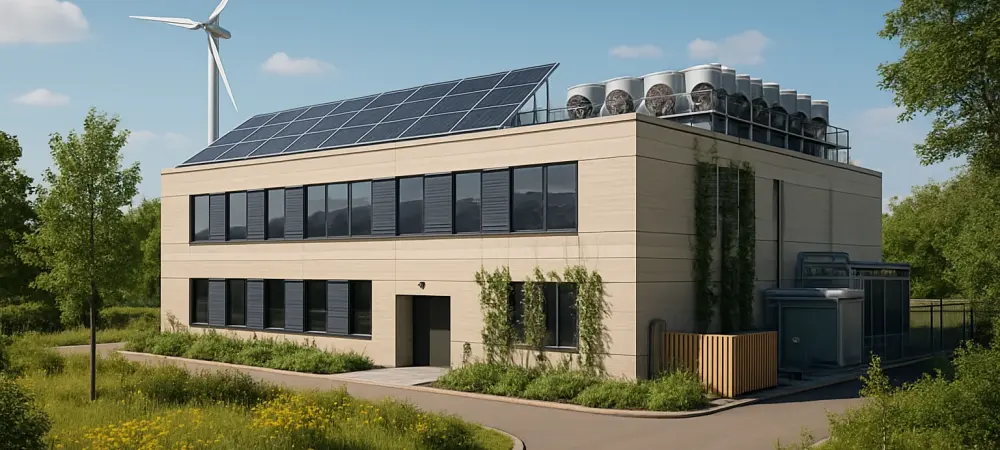
A major focus of the event was Data4’s unwavering commitment to sustainability, which resonated strongly with attendees. The company detailed plans to power the Hanau campus with 100 percent renewable energy, incorporating advanced features like a combined heat and power plant and an electrical substation. This approach aims to minimize the environmental footprint of such a large-scale operation, setting a new standard for eco-friendly data centers in Europe. The emphasis on green technology was a key talking point, showcasing how digital growth and environmental stewardship can coexist. One of the most innovative aspects highlighted was the plan to repurpose waste heat from the facility to warm nearby homes. This initiative not only reduces energy waste but also directly benefits the local community, fostering a sense of shared progress. Additionally, Data4 revealed intentions to reuse materials from the old barracks on the site during construction, further demonstrating a dedication to sustainable practices. These measures positioned the Hanau campus as a model for future projects, earning praise from environmental advocates present at the event.
Germany’s Strategic Role in Digital Innovation
The significance of Germany as a digital hub was a recurring theme during the ceremony. Olivier Micheli, president and CEO of Data4, spoke passionately about the country’s leadership in Europe’s tech ecosystem, describing the Hanau campus as a critical pillar for future growth. With plans to expand across Germany in the coming years, Data4 envisions this facility becoming one of the most powerful data centers on the continent. The event reinforced the idea that Germany’s robust infrastructure and strategic location make it an ideal base for such transformative projects.
Hesse’s Minister for Digital Affairs, Prof. Dr. Kristina Sinemus, also addressed the gathering, stressing the urgent need for advanced digital infrastructure to support emerging technologies like AI. Her remarks underscored how projects like this are essential for maintaining Europe’s competitive edge in the global digital economy. The consensus among speakers was that the Hanau campus will play a pivotal role in meeting these demands, solidifying Germany’s position as a leader in technological innovation.
Economic and Community Impact
The event also shed light on the broader implications of the Hanau campus for the local economy and community. With an investment of €2 billion, the project is set to generate significant economic activity in Hanau and the wider Hesse region. Hundreds of jobs will be created, spanning construction, operations, and related sectors, offering a substantial boost to local employment. This aspect was met with enthusiasm by regional representatives, who see the campus as a catalyst for long-term prosperity.
Collaboration with local stakeholders was another key point discussed during the ceremony. Data4 emphasized efforts to engage with the community, ensuring that the project aligns with regional needs and priorities. This commitment to partnership was evident in the presence of local leaders at the event, who expressed optimism about the shared benefits of this development. The focus on community impact highlighted how the campus extends beyond technology, fostering growth and opportunity on multiple levels.
Technological Frontiers and Future Expansion
Technological innovation took center stage as Data4 outlined the campus’s potential to support cutting-edge applications. Designed to handle the intensive demands of AI and other advanced systems, the facility is poised to become a benchmark for data centers across Europe. Speakers at the event painted a picture of a future where the Hanau campus drives digital progress, enabling businesses and industries to thrive in an increasingly connected world. This vision captivated the audience, underscoring the project’s forward-looking approach.
Data4 also hinted at broader ambitions, with plans to develop additional sites in Germany over the next few years. This expansion strategy, supported by Brookfield’s €20 billion ($20.7 billion) commitment to AI infrastructure from this year to 2030, signals a long-term dedication to shaping Europe’s digital landscape. The event left attendees with a clear sense that the Hanau campus is just the beginning of a larger movement toward redefining how technology and infrastructure intersect.
Reflecting on a Landmark Moment
The groundbreaking ceremony for Data4’s Hanau campus marked a historic moment in the journey toward a more advanced and sustainable digital future. It brought together a shared vision of innovation, environmental responsibility, and economic growth, leaving an indelible impression on all who attended. The enthusiasm and commitment displayed by speakers and stakeholders alike spoke volumes about the project’s transformative potential. Looking ahead, the focus shifts to actionable steps such as accelerating construction timelines and deepening community partnerships to ensure the campus delivers on its promises. Industry leaders and policymakers must continue to support such initiatives, recognizing their role in addressing the escalating demands of technology. As Data4 moves forward with this and future projects, the Hanau campus serves as a reminder that strategic investments in digital infrastructure can pave the way for a more connected and sustainable Europe.