

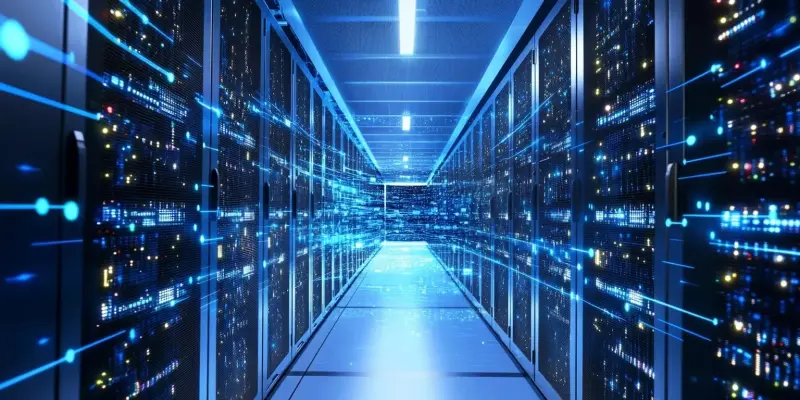
As the world becomes increasingly digital, the demand for electricity is expected to skyrocket in the coming years, primarily driven by data centers, which are the backbone of our internet-driven economy. According to a recent report from the International Energy Agency (IEA), global electricity production is forecasted to grow by an unprecedented 4% annually from now until 2027. This surge places a spotlight on the significant role data centers, industrial activity, air conditioning, and the transport sector will play in this rapid increase, translating to an estimated rise of 3,500 TWh in global electricity consumption.
Data Centers: The Heart of Digital Infrastructure
The Rapid Expansion in China
The IEA report highlights the remarkable expansion in China’s data center industry, projecting its electricity consumption to double to 200 TWh by 2027. This growth is fueled by the country’s strategic initiatives to bolster its digital infrastructure, catering to the mushrooming demand for internet services, cloud computing, and big data analytics. The Chinese government has implemented policies to support the development of data centers, ensuring they remain efficient and sustainable. This growth trajectory aligns with China’s ambitions to be a global leader in technology and innovation, which in turn requires robust and reliable digital infrastructure.
However, this rapid growth also presents challenges, particularly in terms of energy management and sustainability. Data centers are notorious for their substantial power consumption, and without efficient energy practices in place, this could lead to increased carbon emissions. To address these challenges, China is investing heavily in renewable energy sources and advanced cooling technologies. By integrating solar, wind, and hydroelectric power into the grid, the country aims to offset the environmental impact of its burgeoning data center industry. Innovative cooling techniques, such as liquid immersion and free-air cooling, are also being explored to enhance energy efficiency.
The United States’ Steady Growth
The United States, another key player in the data center market, is poised to overcome a slight decline in electricity demand in 2023 and experience a 2% annual increase from 2025 to 2027. This growth is equivalent to California’s total power consumption over three years. The expansion is driven by continuous advancements in cloud computing, artificial intelligence, and big data. With major players like Amazon, Google, and Microsoft expanding their data center footprints, the US is set to see a steady rise in electricity demand.
To sustain this growth while addressing environmental concerns, the US is focusing on developing more energy-efficient data centers. The adoption of green data center practices, such as using renewable energy sources and implementing advanced cooling technologies, is gaining traction. Additionally, the US government has introduced incentives for companies to invest in sustainable technologies, further driving the shift towards greener practices. Major tech companies are also setting ambitious goals to achieve carbon neutrality, investing in renewable energy projects, and improving their energy management systems.
Role of Nuclear Power in Meeting Electricity Needs
The Potential of Small Modular Reactors
In light of the anticipated surge in electricity demand, nuclear power, particularly small modular reactors (SMRs), is emerging as a critical component of the solution. SMRs offer a flexible and scalable option for meeting rising electricity needs without the significant upfront costs associated with traditional nuclear plants. Plans for up to 25 GW of SMR capacity have been announced, primarily in the United States, indicating a potential shift towards nuclear energy to support the growing electricity demands of data centers.
SMRs are designed to be safer and more cost-effective than their larger counterparts, making them an attractive option for both developed and developing countries. Their modular nature allows for phased construction and easier integration into existing power grids. Furthermore, SMRs can operate in a load-following mode, adjusting their output based on real-time electricity demand. This flexibility is crucial for balancing the intermittent supply of renewable energy sources like wind and solar, providing a stable and reliable power supply for data centers.
Challenges and Future Considerations
Despite their potential, the deployment of SMRs faces several challenges, including regulatory hurdles, public perception, and financing. Regulatory frameworks for nuclear power vary significantly across countries, and harmonizing these regulations to facilitate the deployment of SMRs is a complex task. Additionally, public perception of nuclear energy remains a significant barrier, with concerns about safety and radioactive waste disposal still prevalent. Addressing these concerns will require transparent communication and stringent safety standards to build public trust.
Financing is another critical challenge, as the development and deployment of SMRs require substantial investment. Public-private partnerships and government incentives will be essential in mobilizing the necessary funds. Policymakers must also consider the long-term sustainability of nuclear power, ensuring that spent fuel management and waste disposal are adequately addressed. As the world navigates the transition to a low-carbon economy, the role of nuclear power, particularly SMRs, will be crucial in meeting the rising electricity demands of data centers while mitigating the environmental impact.
Electricity Demand Dynamics in Advanced Economies
The European Union’s Sustainability Push
Advanced economies, while experiencing almost static growth in electricity demand in 2024 compared to 2021, will still account for 15% of the global demand growth through to 2027. The European Union (EU) is at the forefront of this shift, with a strong emphasis on sustainability and energy efficiency. The EU’s commitment to reducing carbon emissions and transitioning to renewable energy sources is driving the development of greener data centers. Policies and regulations, such as the European Green Deal, are setting ambitious targets for energy consumption and environmental impact.
Data centers in the EU are increasingly adopting innovative solutions to enhance energy efficiency and reduce their carbon footprint. The use of advanced cooling systems, energy-efficient hardware, and renewable energy sources are becoming standard practices. Additionally, the concept of circular economies is gaining traction, with data centers exploring ways to recycle and repurpose equipment to minimize waste. Collaboration between policymakers, industry stakeholders, and technology providers is crucial in driving this sustainable transformation.
Policy and Industry Collaboration
As the world continues its shift towards digitization, the demand for electricity is projected to soar dramatically in the upcoming years. This surge is primarily due to the growing need for data centers, which are crucial to our internet-dependent economy. According to a recent report by the International Energy Agency (IEA), global electricity production is expected to grow at an exceptional rate of 4% annually from now until 2027. Contributing heavily to this increase are data centers, industrial activities, air conditioning, and the transport sector, all playing significant roles in this rapid rise. The IEA predicts this trend will result in an estimated global electricity consumption increase of 3,500 TWh. As data centers expand to meet the insatiable demand for cloud computing, streaming services, and online activities, their energy consumption will also rise, impacting overall global electricity use. Preparing for this demand is vital to ensuring the infrastructure can support these advancements without compromising sustainability goals.